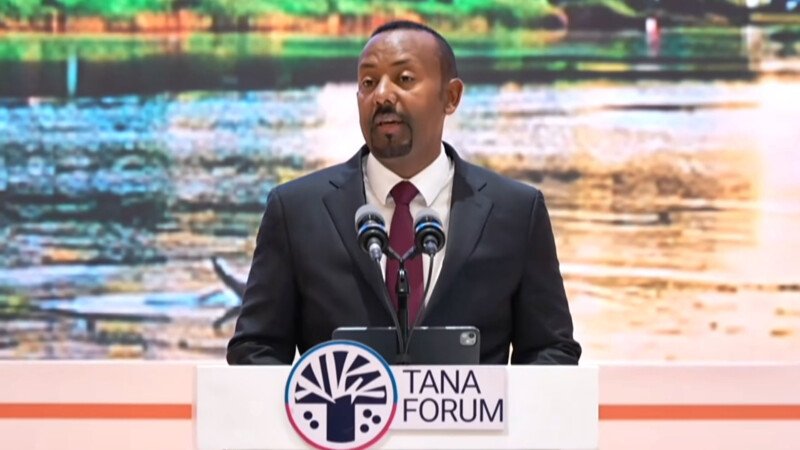
ADDIS ABABA, Ethiopian Prime Minister Abiy Ahmed has described access to the sea as a vital national issue for Ethiopia, the world’s most populous landlocked country, linking it directly to national security, sovereignty, and the future of coming generations.
Ethiopia lost its coastline when Eritrea gained independence in 1993 and now relies on Djibouti for more than 90 percent of its import and export trade. Abiy has argued that this dependence constrains Ethiopia’s economic expansion and international competitiveness, describing maritime access as essential for the nation’s sustained advancement and self-reliance, as reported in FTL Somalia’s coverage of Abiy’s Red Sea strategy.
“The main factor preventing Ethiopia from becoming self-sufficient and competing in the global economy is the absence of ports,” Abiy said in an interview with Ethiopian National Television. He has framed the issue as existential, asking publicly, “Who made the decision that caused Ethiopia to lose the Red Sea?” and insisting that the question is legal, historical, geographical, and economic, requiring a calm and thoughtful approach.
The Somaliland MoU and Its Aftermath
In January 2024, Ethiopia signed a Memorandum of Understanding with Somaliland, granting Addis Ababa access to a 20-kilometer coastal strip at the port of Berbera for 50 years in exchange for potential recognition of Somaliland’s independence. Somalia rejected the agreement as a “blatant violation” of its sovereignty, and the dispute escalated into a regional crisis.
The Federal Government of Somalia has consistently maintained that any arrangement for Ethiopian sea access must be negotiated directly with Mogadishu and respect Somali sovereignty. As reported in FTL Somalia’s coverage of Ethiopia’s Somaliland strategy, Addis Ababa has carefully positioned itself to move toward recognition without becoming diplomatically isolated, but the calculation remains complex.
Ethiopia’s Ambassador to Israel, Tesfaye Yetayeh Anteneh, has explained the reluctance to formalize recognition by citing the risk of triggering a security collapse in Somalia. “The moment, for example, Ethiopia recognizes Somaliland, the Somali government will request Ethiopia to withdraw its troops from Somalia,” Anteneh said. “And Al-Shabaab will get a free ride to attack both Somalia and Somaliland, even a spillover effect will come also to Ethiopia.”
The Ankara Declaration and Its Limits
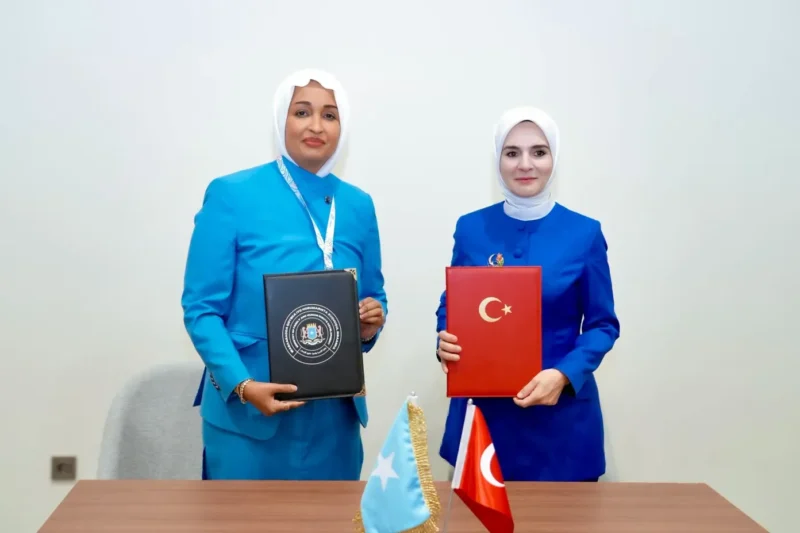
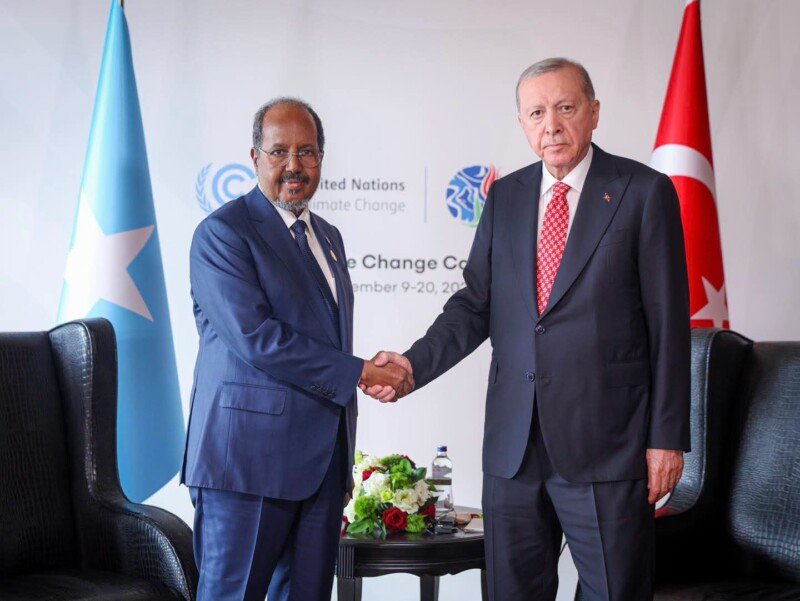
Following Turkish-mediated talks in December 2025, Somalia and Ethiopia reached a breakthrough agreement known as the Ankara Declaration. The two leaders “reaffirmed their respect and commitment to one another’s sovereignty, unity, independence and territorial integrity,” and agreed that further talks on Ethiopia’s sea access would not compromise Somalia’s sovereignty.
Somalia’s State Minister for Foreign Affairs, Ali Omar, has said Ethiopia can secure reliable sea access through Somali territory and ports via commercial agreements that serve both countries’ interests and respect Somalia’s sovereignty. He described the Ankara Declaration as the framework governing relations between Mogadishu and Addis Ababa, and downplayed the significance of the Somaliland MoU, stating that the declaration and subsequent technical negotiations are now the current path for addressing Ethiopia’s sea access issue.
President Hassan Sheikh Mohamud has also affirmed that relations between Mogadishu and Addis Ababa remain strong, stating that his government harbors no objection to Ethiopia securing commercial sea access through joint port agreements.
The Eritrea Dimension
Ethiopia’s pursuit of sea access has further escalated the tensions with Eritrea, which has accused Addis Ababa of waging a war agenda under the rubric of acquiring “sovereign access to the sea, through negotiations if possible and force if necessary.” Eritrea’s Information Ministry has documented a series of statements by Ethiopian officials, including military commanders, that it describes as violations of Eritrea’s sovereignty and territorial integrity.
Abiy has publicly stated that Ethiopia does not want to go to war with Eritrea and has always sought peace, offering to travel to Asmara if his trip would yield positive results. But Eritrea’s government has characterized Ethiopia’s naval expansion and public claims to Red Sea access as a “brazen violation” of its sovereignty, as detailed in FTL Somalia’s coverage of the Eritrea-Ethiopia standoff.
The two countries have exchanged accusations of war preparations at the United Nations Security Council, with Eritrea requesting that the council “forcefully condemn Ethiopia’s deplorable declaration of war against Eritrea” and Ethiopia invoking Article 51 of the UN Charter to accuse Eritrea of deploying infantry and mechanized units across the border. Russia has offered to host talks between the two neighbors, but neither side has publicly accepted the offer or indicated readiness to compromise on the core issue.
What This Means for Somalia
For Somalia, Abiy’s renewed emphasis on sea access is a direct concern. The Somaliland MoU, though now superseded in practice by the Ankara Declaration, demonstrated that Addis Ababa is willing to pursue alternative routes to the sea that bypass Mogadishu. The Ankara framework has eased the immediate crisis, but the underlying tension remains unresolved.
Somalia’s position is clear: Ethiopia can have commercial access to Somali ports, but only through direct negotiations with the federal government and under Somali sovereignty. Whether Addis Ababa will accept that framework in the long term, or whether it will continue to explore alternatives through Somaliland or Eritrea, is the central question. As reported in FTL Somalia’s coverage of the regional standoff, Somalia has sought to maintain neutrality in the Ethiopia-Eritrea dispute while protecting its own sovereignty and territorial integrity.
Critical Note
Abiy Ahmed’s framing of sea access as an existential issue is not new. It has been a consistent theme of his government since 2023, and it resonates deeply in a country where the vast majority of trade flows through a single foreign port. The economic logic is sound: dependence on Djibouti exposes Ethiopia to tariffs, congestion, and political risk that a diversified access strategy would mitigate.
But the diplomatic logic is more complicated. Ethiopia’s pursuit of sea access has already destabilized its relations with Somalia and Eritrea, and the Somaliland MoU remains a sore point despite the Ankara Declaration. Abiy’s insistence that Ethiopia seeks access through peaceful means is welcome, but the region has heard such assurances before. The test is not what Ethiopia says, but what it does.
For Somalia, the lesson is that the Ankara Declaration is a framework, not a solution. It buys time and creates a channel for dialogue, but it does not resolve the fundamental question of whether Ethiopia will accept a commercial arrangement under Somali sovereignty or continue to pursue alternatives. Mogadishu should use the space the Ankara framework provides to strengthen its own position, developing port infrastructure, clarifying its maritime boundaries, and building the kind of regional partnerships that make Somali sovereignty a fact rather than a claim.
Share your story. FTL Somalia is continuing to follow Ethiopia’s sea access ambitions and their implications for the Horn of Africa. If you have information or insights to share, contact us at info@ftlsomalia.com. Your identity will be protected.
Recommended Reading On ftlsomalia.com
- Abiy Ahmed Connects Horn of Africa Stability to Ethiopia’s Sea Access
- Ethiopia Edges Closer to Somaliland Recognition, Signals Strategic Shift
- Addis Ababa and Asmara Trade War Accusations as Moscow Prepares to Host Talks
- Eritrea-Ethiopia Standoff Escalates as Somalia Watches Its Regional Partners Confront Each Other
- Ethiopian Premier Draws Regional Ire Over Disputed Map Claims