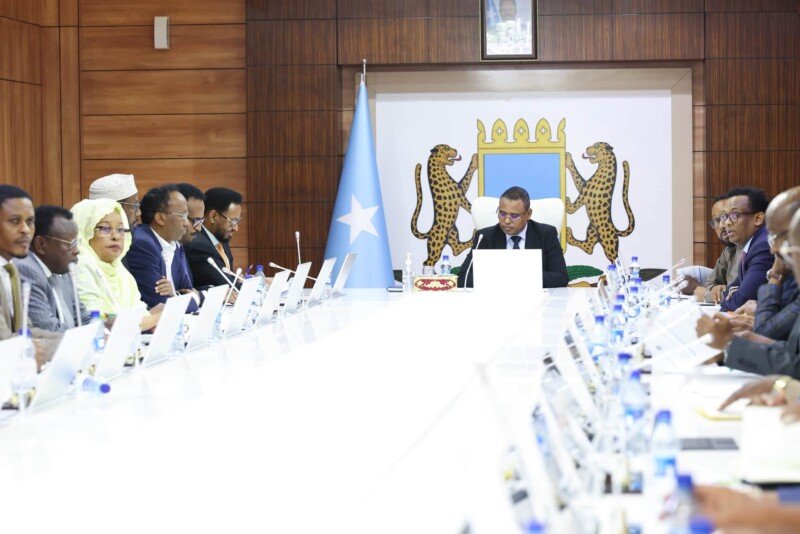
MOGADISHU — Deputy Prime Minister Jibril Abdirashid Haji Abdi chaired a ministerial-level meeting on Wednesday focused on preparedness for El Niño 2026–2027, during which the National El Niño Preparedness Plan was formally approved.
The plan consolidates the efforts and responsibilities of federal government institutions, Federal Member States, and local authorities to ensure coordinated preparedness based on forecasting and early warning. It strengthens government coordination, early warning and risk monitoring systems, and the protection of people, livestock, agriculture, water, and critical infrastructure.
The Deputy Prime Minister urged all stakeholders to implement the directives efficiently and urgently, ensuring coordinated action, accountability, and accelerated results.
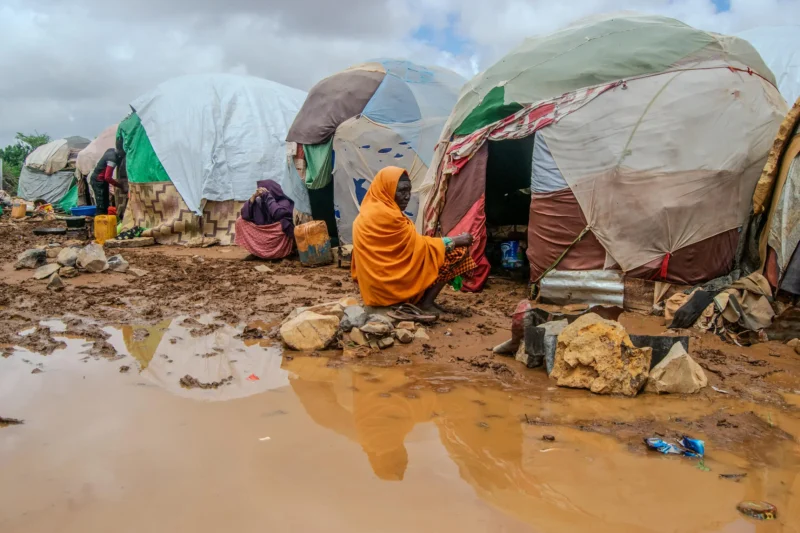
A Nation Bracing for Unprecedented Flooding
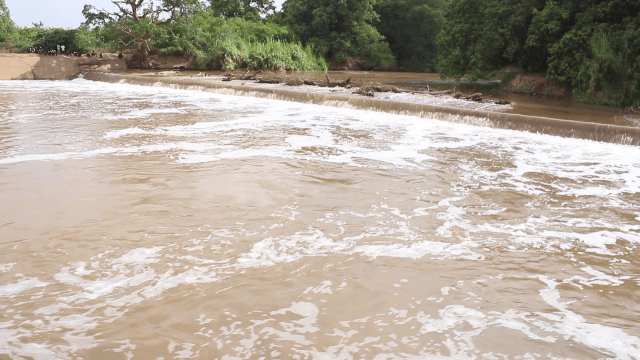
The approval comes as climate experts warn that Somalia may face unprecedented flooding during the October–December Deyr rainy season. Research led by Cardiff University suggests there is an 81 percent chance of a very strong El Niño, which would rank among the largest events in the historical record, with a positive Indian Ocean Dipole also likely. Only 1997 and 2023 have seen the combination of both phenomena, which are associated with exceptional rainfall and widespread flooding across Somalia.
The 2023–24 floods affected 2.48 million people, displaced between 1.2 and 2 million, and caused 188 fatalities. The 1997–98 floods were substantially more extreme, with an estimated 1,800–2,000 deaths and roughly 250,000 displaced nationally. Since then, global temperatures have risen by around 0.7°C, increasing atmospheric moisture and the potential intensity of rainfall.
The UN Office for Disaster Risk Reduction projects 3.4 million people at risk in 16 regions, with Hiraan, Middle Juba and Lower Juba identified as high-concern areas. SoDMA has placed 29 districts across 14 regions on high alert for riverine and flash flooding, following discussions with UN humanitarian coordinator George Conway.
Preparedness Efforts Underway
The government has taken a series of preparedness measures in recent weeks. On September 18, Interior Minister Ali Yusuf Ali (Xoosh) chaired a meeting of the High Committee for the National Disaster Risk Management Fund, which reviewed preparedness proposals from the Benadir Regional Administration and SoDMA, including clearing waterways and strengthening early warning systems, as reported in FTL Somalia’s coverage of the High Committee meeting.
SoDMA has also partnered with the International Rescue Committee on a three-day meeting focused on flood preparedness planning and early action, and has convened high-level meetings with Federal Member States and humanitarian partners to strengthen coordination.
South West State President Sheikh Adan Mohamed Nur Madobe held a meeting with a ministerial-level committee overseeing El Niño preparations in Baidoa, reviewing plans to prevent flood risks and strengthen emergency response capabilities across the state.
The government has also emphasised the role of technology in disaster preparedness, with SoDMA pushing for tech-driven early warning systems to improve forecasting and response times.
Critical Note
The approval of a National El Niño Preparedness Plan is a necessary step, but the critical question is whether it will be matched by the resources required to implement it. The science is clear: Somalia faces a credible risk of flooding on a scale comparable to or exceeding 1997, with 3.4 million people potentially at risk. Anticipatory action has proven effective in the past, with a record US$1.834 billion spent on early action in 2023 demonstrating that acting ahead of floods can protect lives and livelihoods.
However, the context in 2026 is more challenging. Humanitarian funding has fallen by almost a third since 2023 to its lowest level in a decade, while operational costs have increased significantly due to supply chain disruptions linked to the Strait of Hormuz closure. The plan approved today sets out coordination mechanisms and early warning systems, but coordination among underfunded partners does not resolve the underlying financing gap.
The government has demonstrated it can convene meetings and approve plans. Whether it can translate those plans into pre-positioned supplies, funded anticipatory action, and protection for the 3.4 million people at risk before the rains arrive is the test that matters. The window for early action is narrowing.
Recommended Reading On ftlsomalia.com
- Interior Minister Chairs Super El Niño Preparedness Meeting in Mogadishu
- SoDMA Chief Joins IGAD High-Level Forum on El Niño Preparedness in Addis Ababa
- SoDMA and UN’s George Conway Hold Talks on Drought Response and Super El Niño Preparedness
- SoDMA Holds Conference in Nairobi on Reducing Impact of Drought in Somalia
- Somalia’s Disaster Agency Pushes for Tech-Driven Early Warning Systems
- Aid Cuts Leave Somalia Vulnerable as Health Systems Struggle