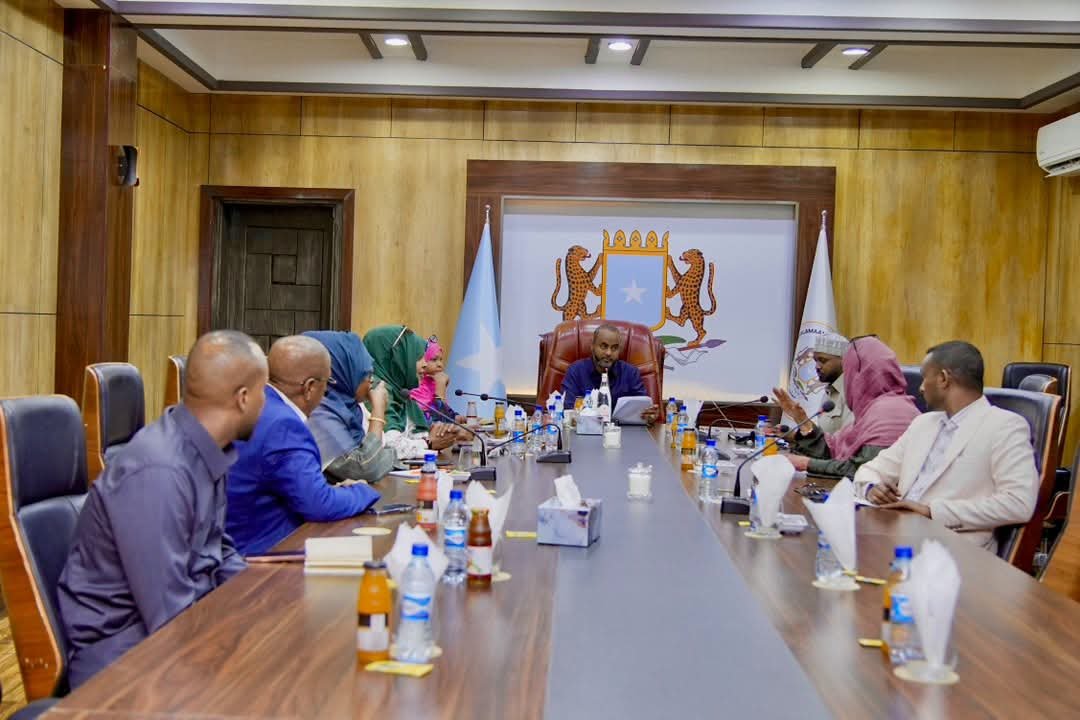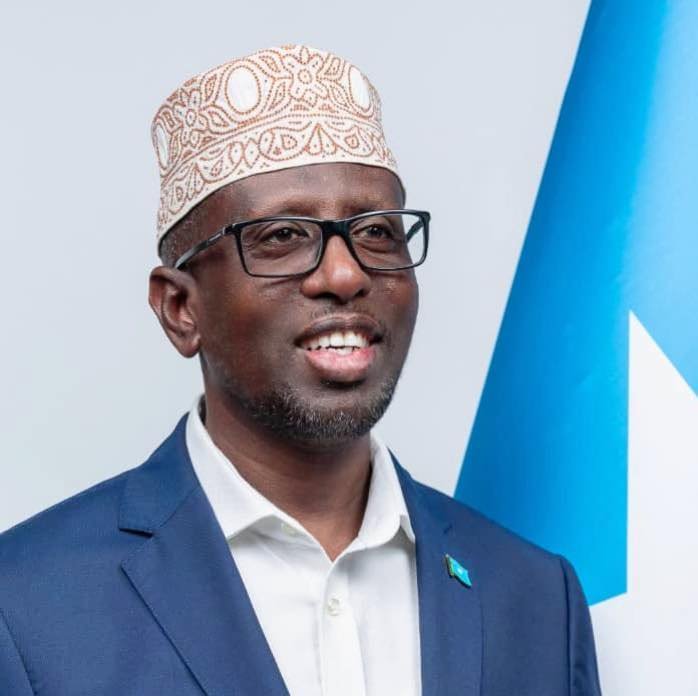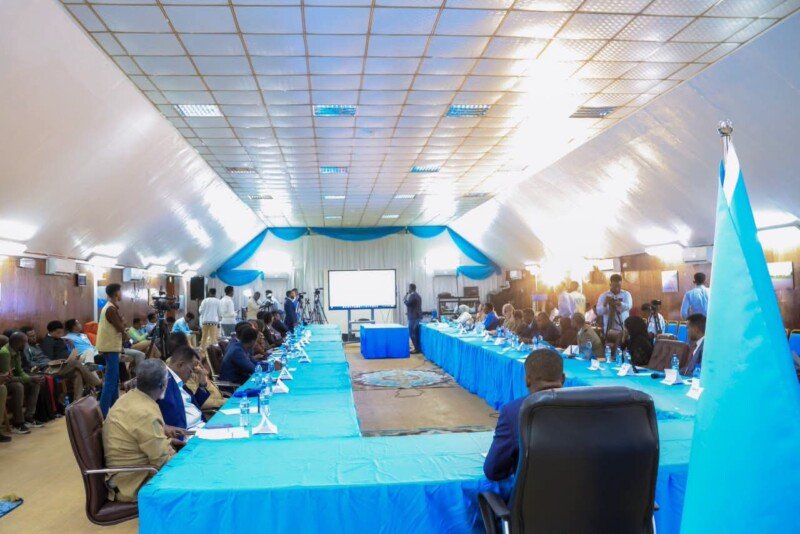
MOGADISHU — The Minister of Information, Culture and Tourism of the Federal Government of Somalia, Abdifitah Qasim Mohamed, chaired the second Strategic Media Forum 2026, bringing together information ministers from federal member states and the Banadir regional administration to strengthen cooperation and coordination.
The meeting focused on enhancing collaboration between federal and state information ministries, with discussions covering the cultural strategy, tourism policy and procedures, the drafting of media registration and licensing regulations, the film agency policy, strengthening the unity of government messaging, and cooperation between federal and state information ministries. The agenda also included a framework for collaborative training between the federal ministry and state-level information ministries .
Minister Abdifitah Qasim Mohamed emphasized that the federal government attaches particular importance to establishing a sustainable framework for strengthening cooperation at both federal and state levels, particularly in modernizing the media, developing government information, culture and tourism, data sharing, skills development, and adapting to contemporary media changes .
State-level information ministers and the Banadir regional administration presented their perspectives, regional challenges, and recommendations on how to improve cooperation and strengthen the media .
Minister Abdifitah Qasim Mohamud was appointed in May 2026, replacing Daud Aweis Jama. The ministry recently announced the establishment of Somalia’s first Media Satellite Teleport in over three decades to modernize the country’s media and communications landscape .
The ministry has been actively working on initiatives to train journalists in ethical and responsible election coverage as Somalia approaches a pivotal electoral period .
Strategic Media Forum and Coordination Efforts
The forum is part of ongoing efforts to strengthen consultation, cooperation, and set a future direction for Somali media . The discussions reflect the government’s commitment to building a more cohesive and effective media sector that can support national development and stability .
The meeting also discussed the standardization of media content and the need for a unified approach to government communication. The ministry has previously spoken out against misinformation and fake news, emphasizing that misinformation has a detrimental effect on the security and stability of the country .
The meeting also discussed the growing influence of digital media and the need for Somali media institutions to adapt to technological changes, while ensuring that media regulation balances professional standards with the need to protect the public interest.
Critical Note
The convening of the second Strategic Media Forum reflects the government’s recognition of the media’s role in supporting peace, stability, and development in Somalia. The focus on cooperation between federal and state authorities is important for building a coherent media sector that can effectively communicate government policies and promote national unity.
Yet, the success of these efforts will depend on the ability of the government to create an enabling environment for media freedom while also ensuring that media regulation is transparent and consistent with international standards. The development of media registration and licensing regulations must strike a balance between professional standards and the protection of media independence.
Concerns have been raised about the draft Penal Code currently before parliament, which could pose a serious threat to the practice of journalism in Somalia by criminalizing public-interest reporting and limiting press freedom . The ministry must ensure that its efforts to strengthen the media sector are consistent with the protection of press freedom.
The forum’s focus on culture and tourism also highlights the potential for these sectors to contribute to Somalia’s economic development and international image. However, realizing this potential will require sustained investment and coordination between federal and state authorities, as well as engagement with the private sector and civil society.