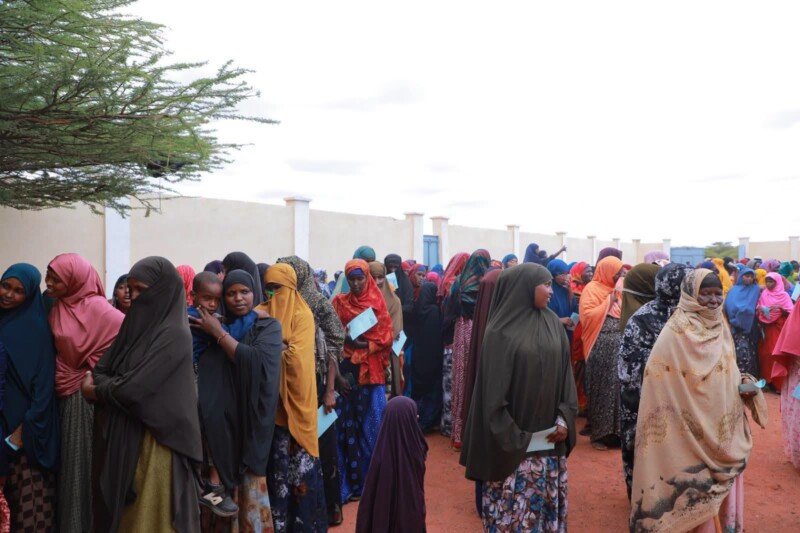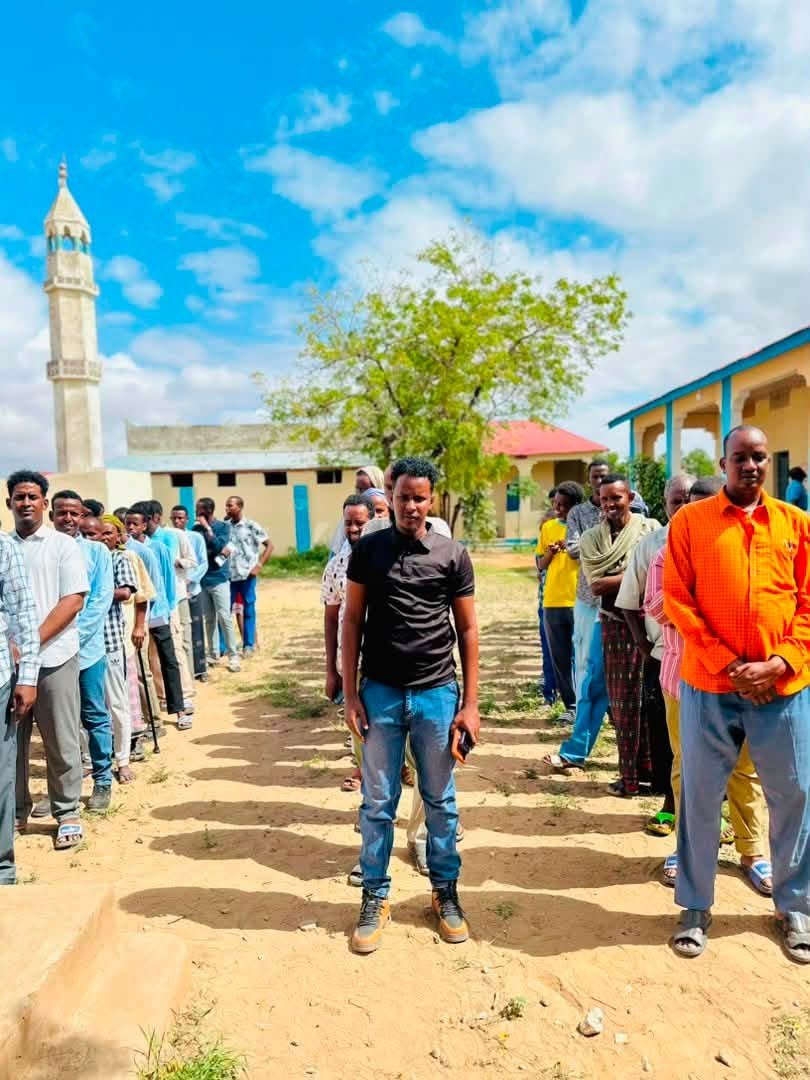
BELEDWEYNE — Hundreds of residents took to the streets of Beledweyne on Saturday in a demonstration supporting the decision to grant the Justice and Solidarity Party (JSP) ticket to incumbent Hirshabelle President Ali Gudlawe Hussein for the upcoming regional election, even as a counter-protest highlighted deepening divisions within the Hawadle clan over the candidate selection.
The rally was attended by regional and district officials, lawmakers, and community members, who expressed support for Gudlawe’s candidacy and urged residents to participate in the September 30 elections scheduled by the National Independent Electoral and Boundaries Commission. Speakers at the event said the election process was progressing well and called for JSP to secure victory.
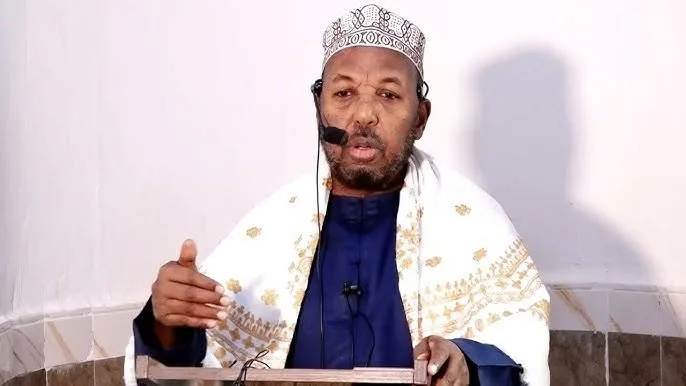
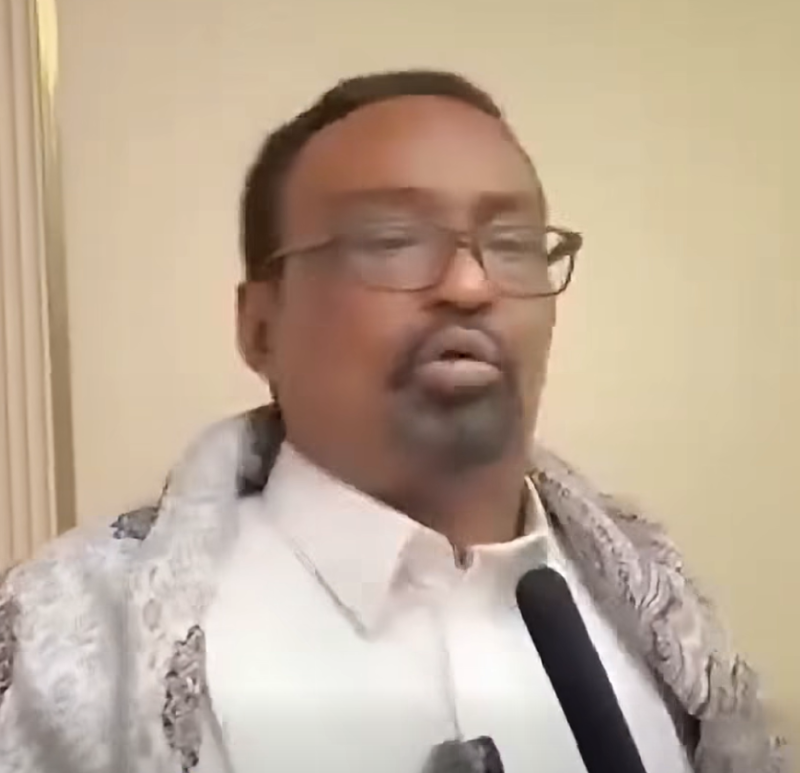
The demonstration unfolded against a backdrop of significant political friction. Hirshabelle Vice President Yusuf Ahmed Hagar (Dabageed) publicly accused President Hassan Sheikh Mohamud of reneging on a political agreement, claiming the federal president had previously promised him the Hirshabelle leadership but later informed him the position would go to Gudlawe instead. Dabageed said he was told the agreement was no longer viable and was advised to step aside.
Hawadle Clan Dynamics and Federal Interference
The dispute reflects the underlying power-sharing formula in Hirshabelle, where the presidency has alternated between the Abgaal and Hawadle communities. President Hassan Sheikh Mohamud met with Hawadle traditional leaders in August 2026 to discuss the next leadership, asking them to agree on a single candidate. The leaders instead authorized the president to choose the community’s candidate, an agreement that now appears to have been interpreted as endorsing Gudlawe rather than a Hawadle figure.
Vice President Dabageed, who hails from the Hawadle community, said he was informed the seat was not longer reserved for him. His account suggests that the federal government’s decision has deepened existing fractures within the clan over who should represent it in the regional leadership.
The political standoff has already spilled into the security domain, with armed Macawisley fighters attacking a voter registration centre in Beledweyne, killing at least one person and injuring two others. Those fighters rejected what they described as an election designed to reinstall Gudlawe, arguing that the current political environment does not support a credible vote.
JSP Dominance and Electoral Credibility
The JSP was formally launched in 2025 with President Hassan Sheikh Mohamud as its leader and presidential candidate, bringing together key federal and regional figures under a single political platform. The party has since become the dominant electoral force in federal member state contests.
In June 2026, all three winning parliamentary candidates in Baidoa belonged to the JSP, and critics have questioned whether the party’s repeated successes reflect genuine popular will or the federal government’s influence over regional electoral processes.
Galmudug authorities initially have rejected JSP efforts to open party offices in the state, describing the move as illegal and contrary to political party regulations, signaling resistance to the party’s expansion beyond allied administrations.
The Beledweyne rally and the counter-protests it triggered illustrate the fault lines that have come to define the Hirshabelle electoral process, where clan power-sharing, federal influence, and local grievances intersect.
Critical Note
The demonstration in Beledweyne and the counter-protests it generated offer a window into the competing pressures shaping Hirshabelle’s electoral transition. The support for Gudlawe reflects a segment of the Hiran community’s acceptance of the federal government’s preferred candidate, but the Vice President’s public protest suggests that this acceptance is far from universal. The decision to award the JSP ticket to Gudlawe rather than a Hawadle figure has exposed the clan’s internal divisions and raised questions about the durability of the power-sharing arrangement that has governed Hirshabelle since its formation.
The federal government’s role in selecting regional candidates is not new, but the scale of JSP’s dominance in recent state elections has drawn scrutiny. If the party’s victories are perceived as products of federal influence rather than genuine contests, the credibility of the electoral process and the legitimacy of the resulting administrations will be undermined. The Macawisley fighters who attacked the voter registration centre in Beledweyne have already signaled their rejection of the process, and the counter-protests show that the political dispute is far from resolved.
For the NIEBC, the challenge is to conduct a vote that is credible and inclusive despite these tensions. For the federal government, the test is whether it can secure its preferred outcome without alienating the Hawadle community and fueling further resistance. The coming weeks will determine whether the September 30 election can proceed peacefully or whether the political dispute escalates into a crisis that could destabilize the region.
Recommended Reading On ftlsomalia.com
- Macawisley Militia Attacks Voter Registration Centre in Beledweyne, One Killed
- NIEBC Sets September 30 as New Polling Day for Hirshabelle State Elections
- Armed Macawiisley Militia Challenges Hirshabelle Electoral Process in Hiiraan
- Justice and Solidarity Party Officially Launched Ahead of 2026 Elections
- President Mohamud Congratulates Parliamentary Winners in Baidoa
- Galmudug Rejects Bid to Open District Office for President’s Party