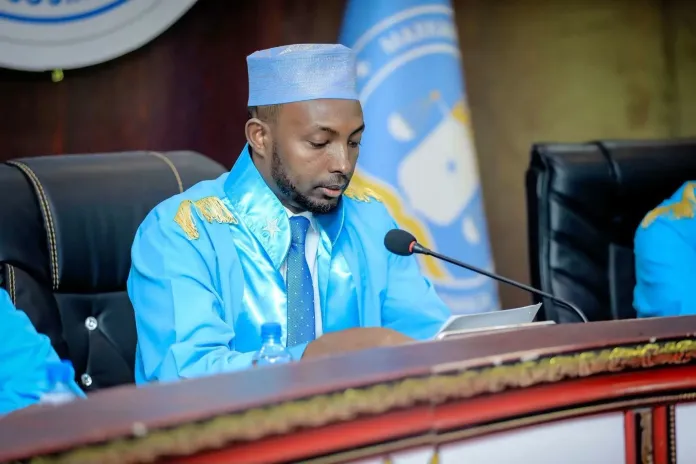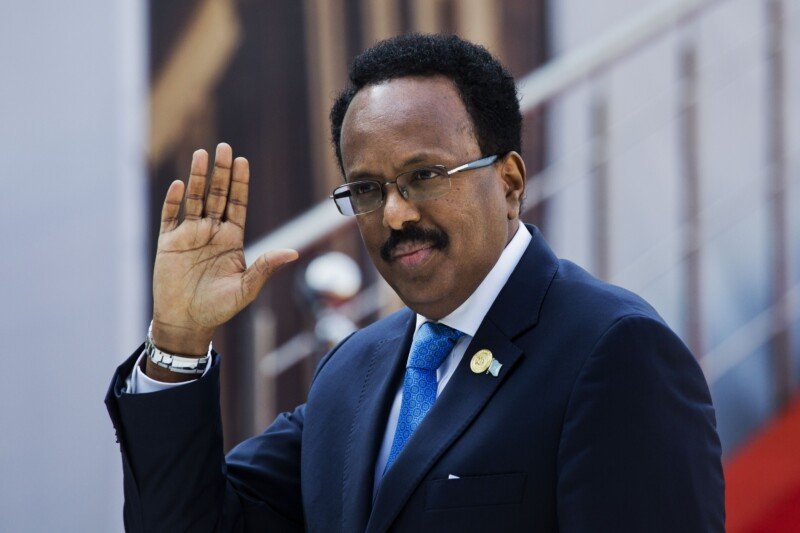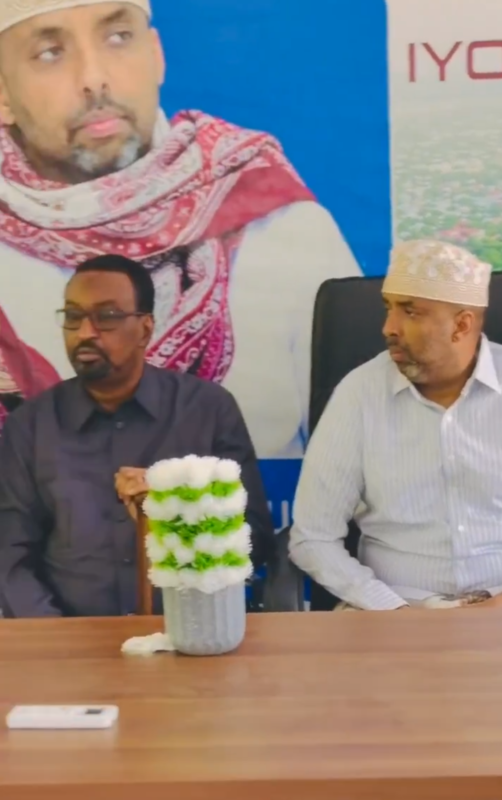
BELEDWEYNE, Hirshabelle President Ali Abdullahi Hussein Guudlawe has dismissed Hiiraan regional Governor Mohamed Hussein Mohamed Arab and appointed Muse Salad Weheliye as his replacement, according to a presidential decree announced Monday.
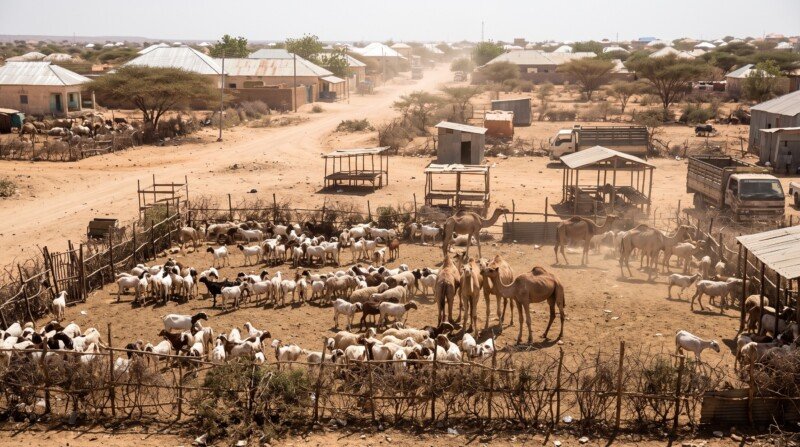
The dismissal comes just days after Governor Arab publicly criticized the distribution of tax revenue collected from the livestock market in Beledweyne, arguing that the allocation of funds to other localities was unfair. The Hirshabelle presidency has not publicly linked the decision to the tax dispute, stating that it followed a recommendation from the regional administration’s interior minister.
Weheliye is a former governor of Hiiraan, returning to a position he previously held. The appointment places new leadership in the region at a sensitive moment, with Hirshabelle preparing for its presidential election scheduled for October 24 and disputes over power-sharing and resource allocation still unresolved.
The Tax Dispute Behind the Dismissal
The immediate trigger for the leadership change appears to be a dispute over revenue management. Governor Arab had raised concerns about the distribution of taxes collected from the livestock market in Beledweyne, questioning why funds generated in Hiiraan were being allocated to areas that lacked the services or infrastructure to justify their share.
The rift between the Hiiraan administration and the Hirshabelle presidency had been building for weeks. In mid-October, Governor Arab stated he would not accept an administrative system he described as humiliating or the imposition of decisions on the regional administration without its consent. He emphasized that the people of Hiiraan have the right to participate in managing their economic resources and decisions affecting their lives.
The Hiiraan Regional Administration subsequently issued a press release designating the Ceelgaal area as the collection site for taxes on goods and transit vehicles entering or leaving the region, a move it justified by citing security conditions and fears of flooding that could affect Beledweyne. The designation was widely interpreted as an assertion of local control over revenue collection, independent of Jowhar.
A Longer History of Power-Sharing Grievances
The dismissal is the latest chapter in a long-running dispute over the political structure of Hirshabelle, a federal member state formed in 2016 through the merger of Hiiraan and Middle Shabelle. The original power-sharing agreement allocated the presidency to the Hawadle clan, dominant in Hiiraan, but that arrangement was broken in 2020 when Ali Gudlawe, an Abgaal from Middle Shabelle, was elected president.
Hawadle political leaders and traditional elders have repeatedly demanded a return of the presidency to their community. Hirshabelle Vice President Yusuf Ahmed Hagar Dabageed, a Hawadle politician, has publicly accused President Hassan Sheikh Mohamud of reneging on a promise to return the regional leadership to the Hawadle clan, as reported in FTL Somalia’s coverage of the Hirshabelle electoral dispute.
The Justice and Solidarity Party (JSP) has formally endorsed Gudlawe for another term, a decision that has sharpened tensions in Beledweyne. Politicians, traditional elders, and residents have warned that they will not accept elections in Hiiraan without a prior political agreement on the electoral process and the future leadership of Hirshabelle, as reported in FTL Somalia’s coverage of the Beledweyne protests.
The dispute is not new. In June 2023, Gudlawe dismissed then-Hiiraan Governor Ali Jeyte Osman, a popular Hawadle figure who had organized the Macawiisley clan militia against Al-Shabaab. Jeyte refused to step down, and a political crisis ensued, with a parallel administration briefly declared in Beledweyne before federal intervention calmed the situation.
Critical Note
The dismissal of Governor Arab is a procedural act within the authority of the Hirshabelle presidency, but the timing speaks volumes. Arab was removed days after he publicly challenged the distribution of revenue collected in his own region. The presidency denies a link, but the sequence is difficult to ignore.
The deeper issue is not who holds the governor’s office in Beledweyne. It is whether Hirshabelle can function as a federal member state when its two constituent regions remain locked in a dispute over power and resources that dates back to the state’s formation. The Hawadle community’s grievances are not peripheral. They are central to the legitimacy of any administration in Jowhar. Replacing a governor who articulated those grievances does not resolve them. It may simply transfer the friction to a new officeholder.
The election scheduled for Saturday will almost certainly return Gudlawe to the presidency, given the JSP’s 78-seat majority in the regional parliament. But a procedural victory in the legislature does not translate into political authority in Hiiraan. The new governor will inherit the same unresolved questions about revenue, representation, and the relationship between Beledweyne and Jowhar. If those questions remain unanswered, the cycle of dismissal, resistance, and parallel administration that has characterized Hirshabelle’s short history is likely to repeat itself.
Share your story. FTL Somalia is continuing to follow political developments in Hirshabelle. If you have information or insights to share, contact us at info@ftlsomalia.com. Your identity will be protected.