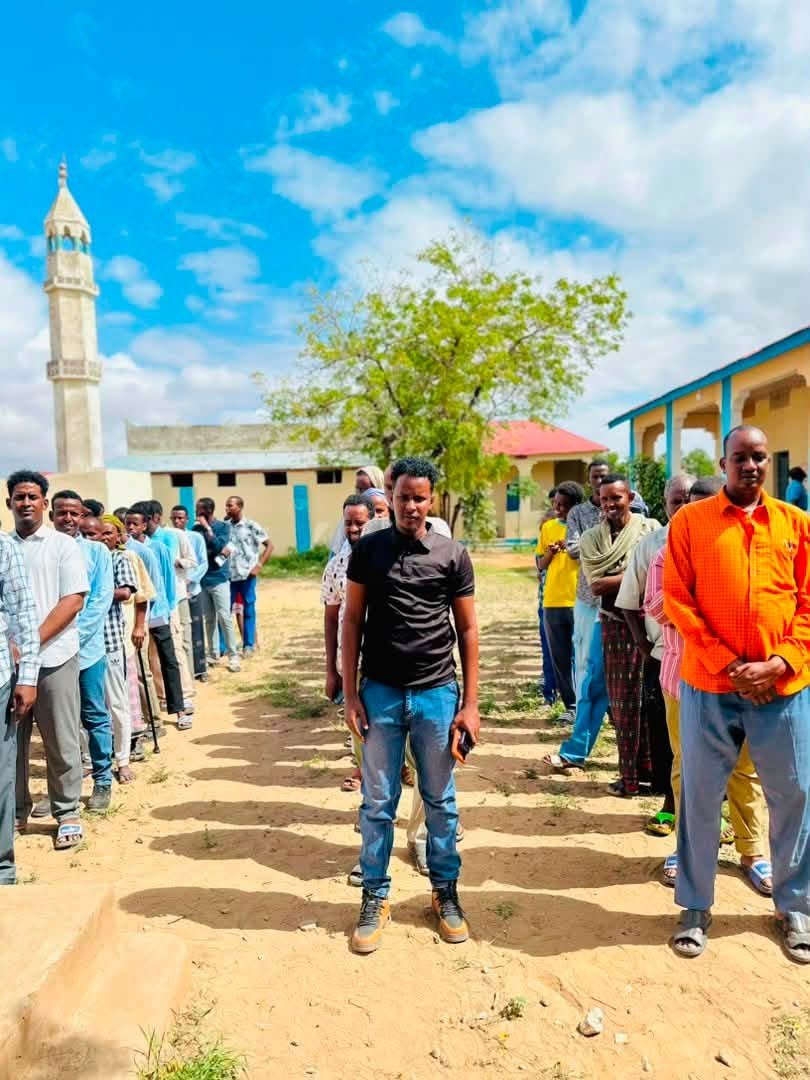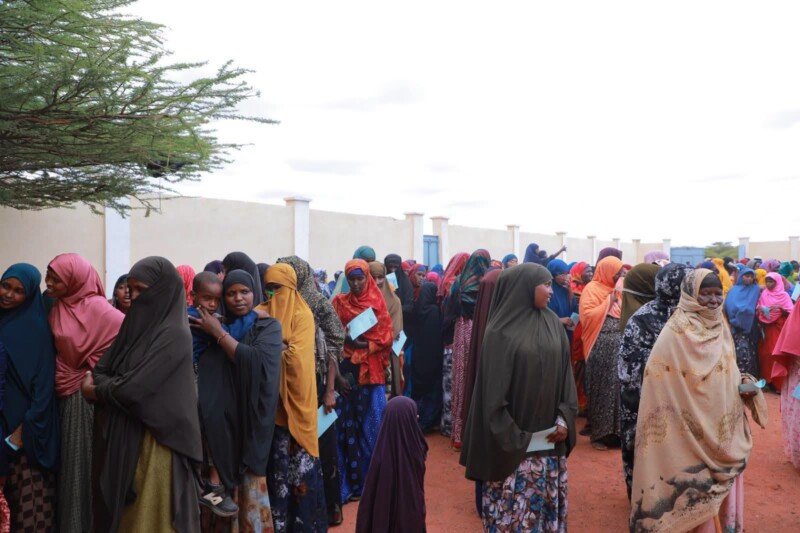
MOGADISHU — Voters in Hirshabelle and Galmudug cast ballots on the same day, September 30, 2026, in elections that produced a similar outcome in both states: a landslide victory for the Justice and Solidarity Party (JSP), the party associated with President Hassan Sheikh Mohamud.
The National Independent Electoral and Boundaries Commission (NIEBC) managed two simultaneous electoral processes across 23 districts in four regions, presenting significant logistical and administrative challenges. The elections were the third and fourth direct one-person, one-vote votes in Somalia’s federal member states, following Banaadir and South West State, as part of the government’s broader effort to replace the clan-based indirect electoral model.
Hirshabelle: JSP Wins 158 Council Seats
In Hirshabelle, 114,633 voters cast ballots across 10 districts, with 112,466 valid votes and 2,167 rejected votes. The JSP won 158 of the 222 local council seats, consolidating its dominance. Other parties that won seats included Karaama with 17 seats, Madalsan with 14, Iftiin Qaran with 12, and Sincad with 8. Ramaas secured 7 seats, while Muwaadiniinta Soomaaliyeed won 4.
For the House of Representatives, 13 political organisations competed for 99 seats. The JSP won 78 seats. Other parties that secured seats included Karaama with 6, Iftiin Qaran with 5, Somali Democratic Party with 2, and Ramaas with 2. Four parties, Dadka Soomaaliyeed, Saab, Dan Shacab and Dhalinyarada Talo Qaran, won no seats.
The vote proceeded despite significant political opposition in the Hiiraan region. As detailed in FTL Somalia’s coverage of the electoral dispute, the Xawaadle clan declared it would not accept any election held without a prior political agreement. Xawaadle politicians and community elders sought the state’s top leadership position, but the JSP’s decision to renominate incumbent President Ali Abdullahi Hussein Guudlaawe for a second term intensified those tensions.
Armed Macawiisley fighters seized voter registration centres in Beledweyne in early September, as reported in FTL Somalia’s coverage of the militia challenge. Traditional elders also barred Hirshabelle administration officials from landing at airports in Hiiraan until a political deal was reached.
On polling day, Guudlaawe urged voters to cast their ballots and described the day as historic for Hirshabelle and for Somalia. Hirshabelle Police Commander Hassan Dhicisow Hasan announced a curfew across all designated voting zones, with all vehicular traffic strictly prohibited, a measure that may have impacted the daily livelihoods of residents.
Galmudug: JSP Wins 179 Council Seats
In Galmudug, 149,475 voters cast ballots across 11 districts, with 146,894 valid votes and 2,581 rejected votes. A total of 243 council seats were contested by 12 political organisations.
As reported in FTL Somalia’s coverage of the Galmudug results, the JSP won 105,716 votes and secured 179 of the 243 council seats, representing approximately 74 percent of the total. This was a significantly larger share than the party achieved in the annulled July 30 election, when it won 63 council seats.
Karaama finished second with 10,239 votes and 21 seats. Sincad followed with 14,305 votes but only 17 seats, reflecting the distribution formula used to allocate seats. Madalsan won 4,945 votes and 10 seats, while Ramaas secured 3,059 votes and 6 seats.
The Galmudug Rerun and the Towfiiq Exclusion
The Galmudug election was a repeat of the July 30 vote that the Supreme Court annulled on August 24, 2026, citing irregularities that violated constitutional principles requiring free, fair and impartial elections, as reported in FTL Somalia’s coverage of the court ruling.
The original election had been challenged by the Towfiiq Party, which alleged violence, exclusion of party representatives from polling stations, and manipulation of the process. However, Towfiiq was excluded from the list of 12 organisations authorised to participate in the rerun. As detailed in FTL Somalia’s coverage of the exclusion, Towfiiq described the decision as linked to its legal challenge and called for peaceful demonstrations.
Critical Note
The simultaneous elections in Hirshabelle and Galmudug produced strikingly similar outcomes: decisive JSP victories in both states. This pattern, combined with the party’s earlier wins in Banaadir and South West State, suggests a consistent strategy by the federal government to install allied administrations across Somalia’s federal member states.
The scale of the JSP’s victories raises questions about the competitiveness of the electoral processes. In Galmudug, the party that successfully challenged the previous election in court was excluded from the rerun. In Hirshabelle, a significant segment of the Xawaadle community rejected the process as illegitimate, and armed fighters disrupted preparations. In both states, the JSP entered the race with significant organisational and political advantages that other parties could not match.
The elections may be legally valid, but their legitimacy in the eyes of those who felt excluded remains contested. In states where clan-based power-sharing remains the foundation of political order, a vote that excludes or alienates significant communities does not resolve the underlying dispute. It may simply postpone it. The NIEBC’s ability to manage two complex electoral processes on the same day is commendable, but the more difficult challenge is ensuring that the outcomes are accepted as credible by all stakeholders. On that measure, the jury is still out.
Recommended Reading On ftlsomalia.com
- Xawaadle Leaders Call for Protests as HirShabelle Electoral Dispute Deepens
- Guudlaawe Urges Hirshabelle Voters to Cast Ballots as Polls Open
- JSP Wins Landslide in Galmudug Local Council Repeat Election
- Towfiiq Party Barred from Galmudug Rerun Despite Having Successfully Challenged Earlier Results
- Armed Macawiisley Militia Challenges Hirshabelle Electoral Process in Hiiraan
- Galmudug Repeat Elections Scheduled for September 30 Following Supreme Court Ruling