NAIROBI, Kenya’s Ministry of Health confirmed a ninth Ebola case on Tuesday, a 24-year-old close family member of the index patient who was already in quarantine when he fell ill. All nine cases belong to a single cluster linked to the first patient, a Kenyan national who travelled from the Democratic Republic of Congo through Uganda and died in Nairobi on October 5.
According to the Ministry’s press release signed by Director General Dr. Patrick Amoth, all eight surviving patients are “improving and responding well to treatment” and are currently stable. Kenya has received 500 doses of medicines to support treatment, and 134 of 135 contacts (99.3 percent) have been traced and quarantined, well above the global benchmark of 85 percent.
The Ministry also announced that contacts who entered quarantine on October 6 will complete their 21-day monitoring period and begin returning home from Saturday, October 25. “Having completed 21 days without symptoms, they pose no risk of infection to anyone,” the statement said.
What Kenya’s Success Means for Somalia
On its face, Kenya’s containment of the cluster is good news for Somalia. A uncontrolled outbreak in Nairobi, Somalia’s primary transit hub for international travel and humanitarian logistics, would have immediate and severe consequences for Mogadishu. The fact that all nine cases remain linked to a single chain, with no evidence of community transmission, suggests that Kenya’s contact tracing and quarantine measures have functioned as intended.
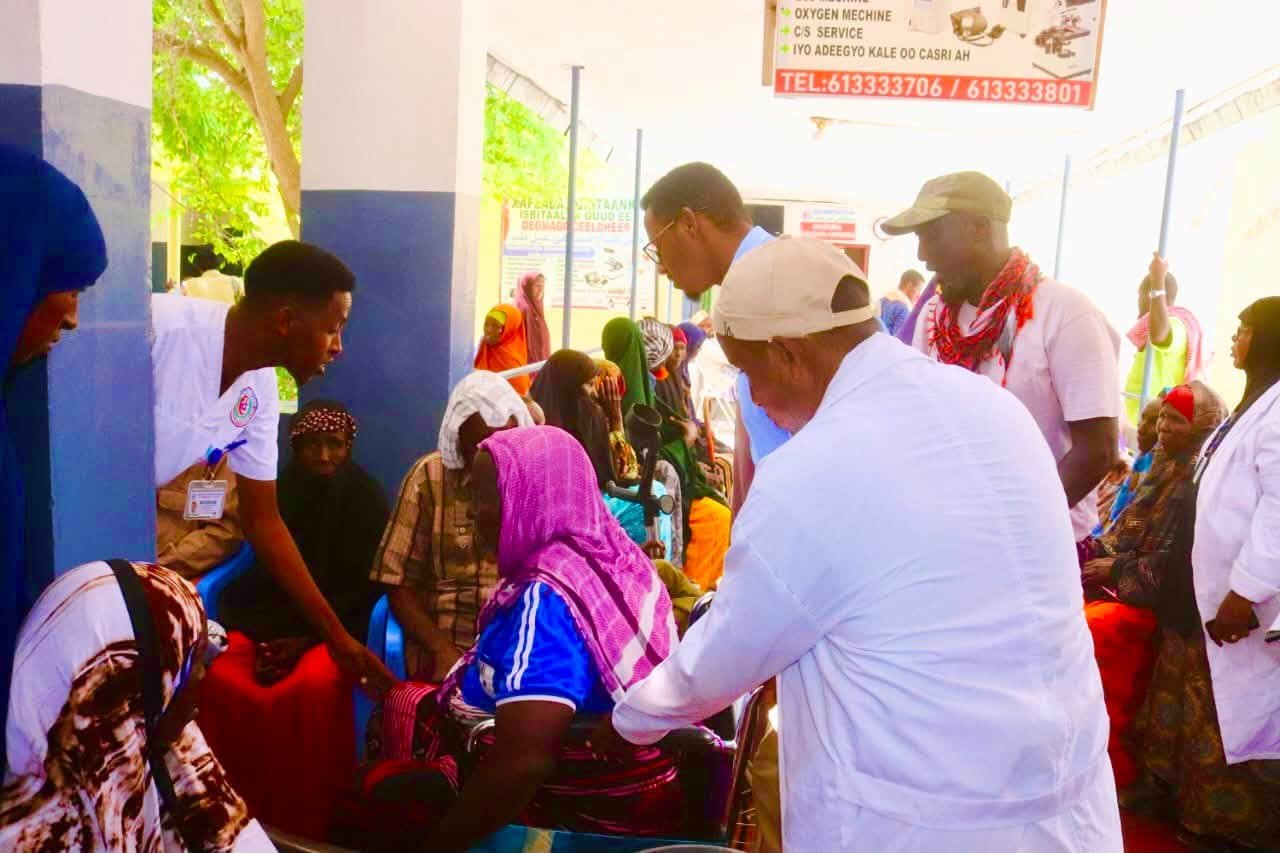
But Kenya’s success also sharpens the contrast with Somalia’s own preparedness. As reported in FTL Somalia’s coverage of the earlier phase of the outbreak, Somalia’s Cabinet approved a national Ebola preparedness committee in early October, and health authorities deployed staff to Mogadishu airport to monitor arriving travelers. The government also quarantined ten citizens who returned from the DRC through Uganda, and a Somali citizen who had travelled with the Kenyan victim was placed in isolation at Forlanini Hospital in Mogadishu.
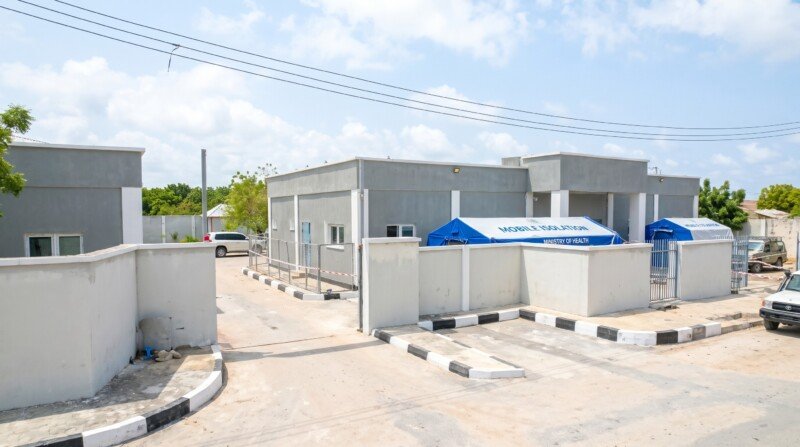
The critical weakness remains at the points of entry. A 2024 baseline assessment conducted with WHO Somalia found that Somalia’s International Health Regulations core capacities at points of entry averaged 27 percent, with airports at only 20 percent. The assessment noted no dedicated isolation areas, no biosecure transport for suspected cases, and no standard operating procedures for disease detection at Somali airports.
The Kenyan index patient transited through Uganda and flew to Nairobi without being detected at the airport. If a similar case were to arrive in Mogadishu, Somalia’s screening infrastructure would face the same test. As reported in FTL Somalia’s coverage of the initial quarantine measures, the Somali citizen who travelled with the Kenyan victim passed through Mogadishu airport’s standard health screening without raising concerns.
The Regional Picture
Kenya’s nine cases are part of a broader regional emergency. The Bundibugyo strain outbreak in the DRC has now surpassed 9,500 confirmed cases and more than 4,600 deaths, making it the second deadliest Ebola outbreak on record. The strain has no approved vaccine or specific treatment, though trials are underway. Nigeria confirmed an imported case in October, and the WHO has warned that the geographic spread of the outbreak is the widest in history.
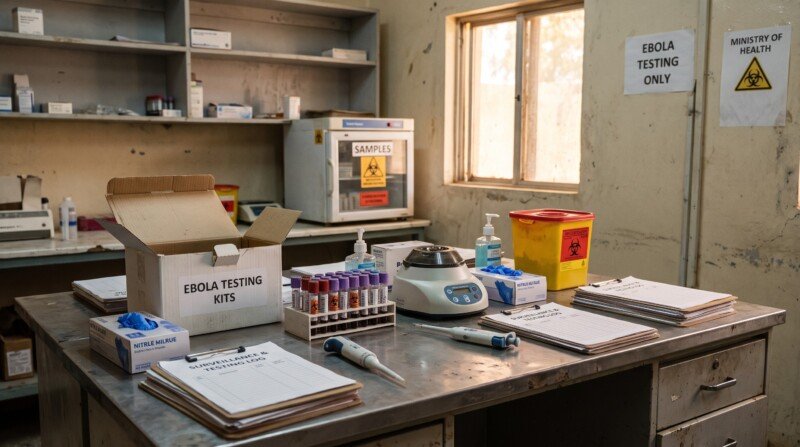
Kenya’s Health Ministry has distributed supplies to 12 very high-risk and 16 high-risk counties, established a dedicated laboratory at Kenyatta National Hospital to handle Ebola testing without contaminating the main lab, and trained nearly 5,000 healthcare workers. The WHO has provided $70,000 in essential medical supplies, including PPE and testing kits.
Somalia has received support from IGAD and WHO, including a joint mission that developed a costed Ebola preparedness and response workplan, and a national simulation exercise in September 2026 that tested detection, verification, and response protocols. The exercise identified gaps in reporting lines, notification and referral pathways, point-of-entry arrangements, and public communication.
Critical Note
Kenya’s handling of its first Ebola outbreak has been competent and transparent. The Ministry of Health has published regular updates, traced nearly all contacts, and kept the public informed without inducing panic. The decision to allow quarantined contacts to return home after 21 days is scientifically sound and socially responsible.
But Somalia should not mistake Kenya’s success for its own safety. The same qualities that have allowed Kenya to contain its cluster, a functioning health ministry with laboratory capacity, trained personnel, and a coherent command structure, are precisely those that Somalia lacks. The Kenyan index patient flew from Uganda to Nairobi and was not detected at the airport. A similar case arriving in Mogadishu would encounter screening systems that a WHO assessment rated at 20 percent capacity, with no dedicated isolation areas and no biosecure transport.
The window for Somalia to close these gaps is narrowing. Kenya’s cluster appears contained, but the DRC outbreak continues to accelerate, and the movement of people across East Africa is constant. The Somali government has established a preparedness committee and deployed staff to airports. Those are necessary first steps. They are not sufficient. The difference between Kenya and Somalia in this outbreak is not luck. It is institutional capacity. Until Somalia builds that capacity, its border defenses will remain a promise rather than a barrier.
Share your story. FTL Somalia is continuing to follow the Ebola outbreak and Somalia’s preparedness efforts. If you have information or insights to share, contact us at info@ftlsomalia.com. Your identity will be protected.