
MOGADISHU — Kenya has confirmed a third case of the Ebola Bundibugyo virus, a 65-year-old woman who is a close relative of the first two patients and had been under quarantine since 6 October.
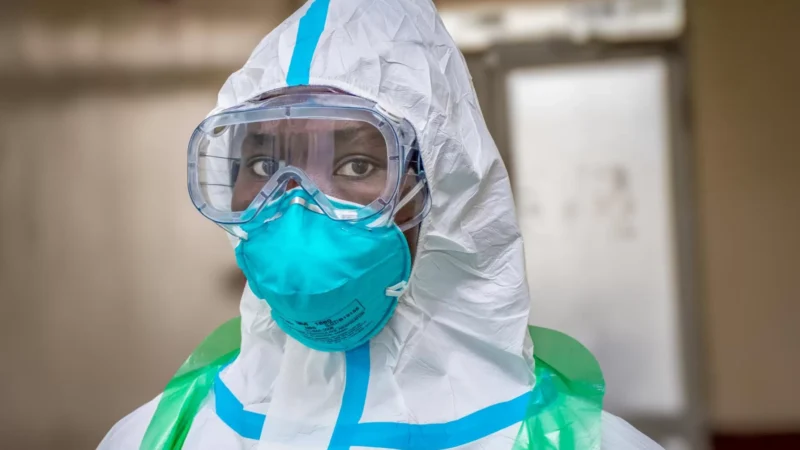
The Kenyan Ministry of Health said the woman developed fever, a sore throat and malaise while in quarantine before testing positive. She has been transferred to an infectious disease unit and is receiving supportive care. The second patient, a 39-year-old man from the same family, remains in stable condition.
The development marks a significant escalation for Somalia, which shares a long and porous border with Kenya and has already quarantined citizens who travelled on the same route as the first Kenyan victim.
A Cluster Within a Quarantined Family
All three Kenyan cases are linked. The first patient, a 40-year-old man who had been living in the Democratic Republic of Congo, travelled by road to Uganda and then flew to Nairobi on 3 October. He died on 5 October. The second patient, a 39-year-old man, was identified as a close contact and placed in quarantine before developing symptoms. The third patient, the 65-year-old woman, is also a family member and was already under monitoring when she fell ill.
Kenyan authorities have traced 127 of 130 contacts, placing them in quarantine. The ministry has stated there is no evidence of community transmission, as all three cases were detected within the quarantine cohort.
What This Means for Somalia’s Border Defences
For Somalia, the confirmation of a third case in Kenya confirms that the virus is circulating within a family cluster across the border, and that the quarantine system in Nairobi is functioning as intended by detecting cases before they can spread widely.
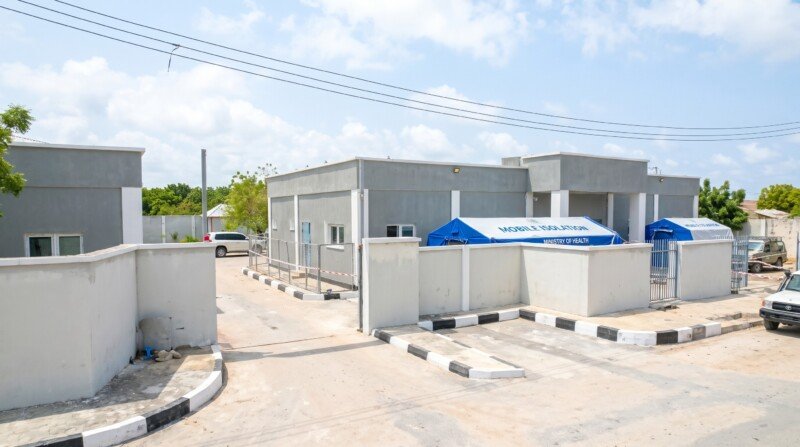
However, the structural vulnerabilities that FTL Somalia has documented remain acute. As reported in FTL Somalia’s coverage of the Cabinet’s Ebola preparedness committee, Somalia’s points of entry have IHR core capacities of only 20 percent, and the federal government does not control all airports and borders. A committee chaired by the Second Deputy Prime Minister can coordinate policy, but it cannot substitute for functioning isolation facilities, biosecure transport, and laboratory capacity.
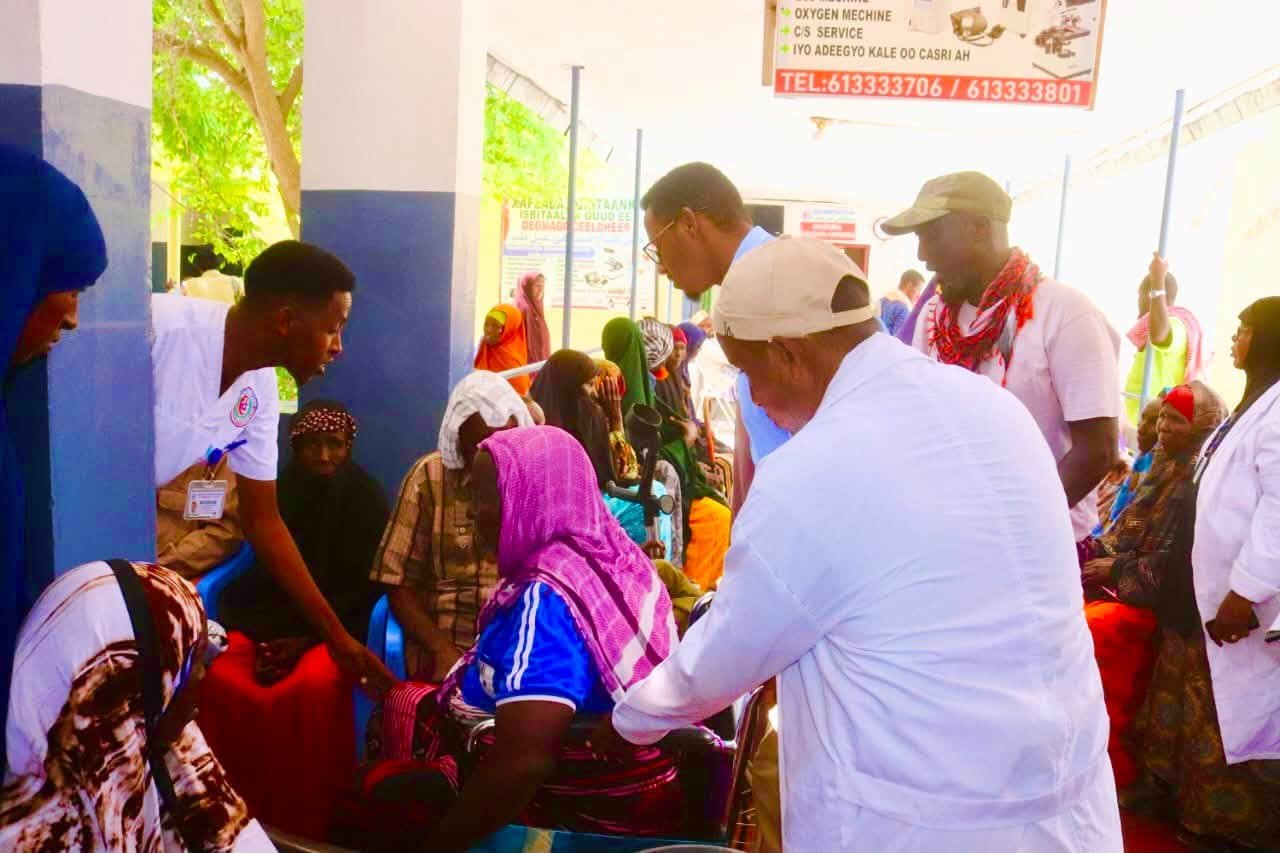
Somalia’s Ministry of Health has quarantined at least ten citizens who returned from the DRC through Uganda, and a separate citizen who travelled with the first Kenyan victim. As reported in FTL Somalia’s coverage of the national Ebola preparedness conference, the government has deployed medical teams to airports and approved a six-ministry preparedness committee. But the fundamental gap remains: a single undetected case arriving at a secondary port of entry, such as Kismayo or Bosaso, could seed an outbreak in a region with no capacity to contain it.
The WHO has identified Somalia as a priority country for Ebola readiness support, alongside Djibouti and Sudan, citing conflict, displacement, and overstretched health systems as obstacles to effective preparation.
Critical Note
The third Kenyan case is not a sign that Kenya’s outbreak is spiralling out of control. It is a sign that contact tracing and quarantine are working. The woman was already isolated when she developed symptoms. She did not infect anyone in the community.
But for Somalia, the lesson is different. Kenya’s ability to detect and isolate cases within a family cluster depends on a functioning public health infrastructure that Somalia does not possess. Kenya has traced 127 contacts, tested them, and quarantined them. Somalia has quarantined a handful of travellers and deployed teams to airports, but it lacks the laboratory capacity, the isolation facilities, and the trained personnel to replicate Kenya’s response at scale.
The virus is now circulating in a family cluster in Nairobi, a city that thousands of Somalis travel to and from every week. The first Kenyan patient travelled through Uganda and arrived in Nairobi on a commercial flight. The Somali citizen who accompanied him on that journey was only identified because Uganda notified Somalia’s IHR office. That notification came seven days after the Somali citizen had already entered the country and moved freely.
Somalia’s border defences are not designed to catch every case. They are designed to catch the cases that pass through the main airport and happen to trigger a flag. The third Kenyan case is a warning that the window for anticipatory action is narrowing. The question is whether Somalia’s systems can detect the next traveller before they disappear into the capital.
Share your story. FTL Somalia is continuing to investigate Ebola preparedness and the risks posed by cross-border transmission. If you have information or insights to share, contact us at info@ftlsomalia.com. Your identity will be protected.