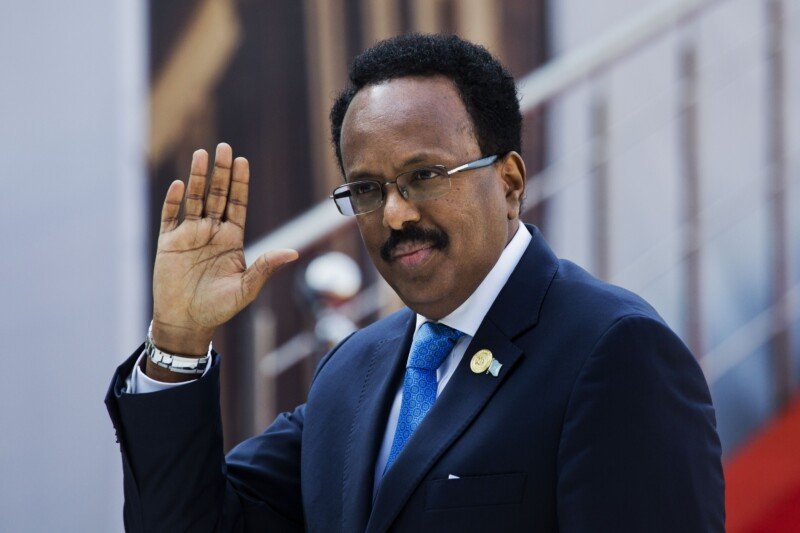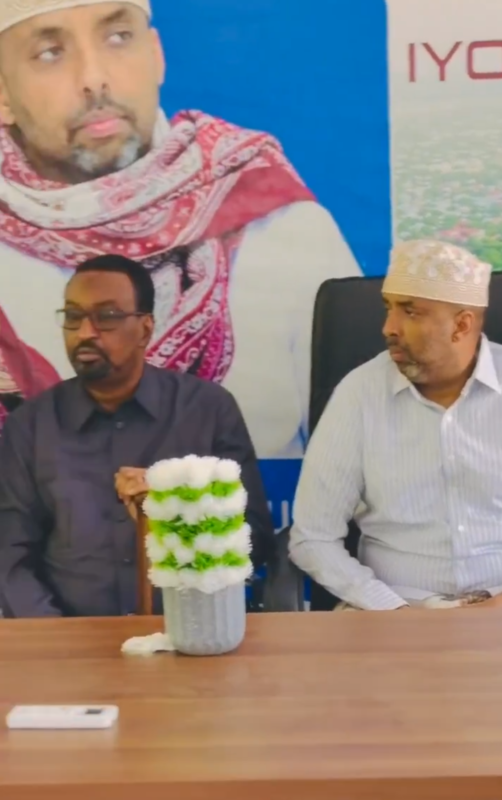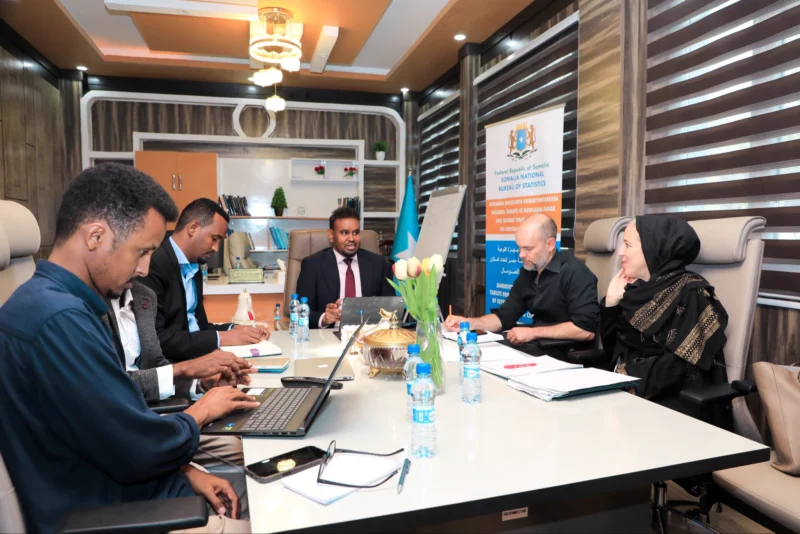

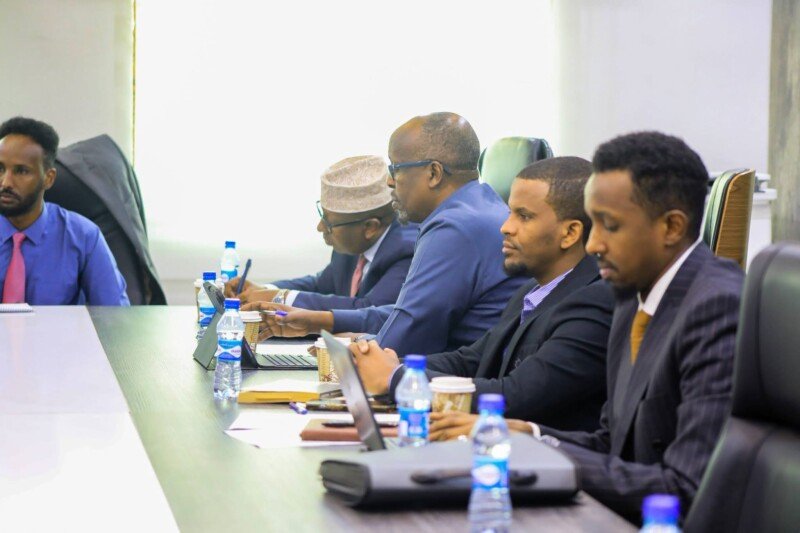
MOGADISHU, The Defence Committee of the House of the People held an accountability session with Defence Minister Ahmed Moallim Fiqi on Sunday, pressing the ministry on salary deductions affecting soldiers, the rights of orphans and disabled veterans, and the persistent challenges undermining the welfare of the armed forces.
The meeting, chaired by Acting Committee Chairman MP Abdirazak Hassan Dhookir, was attended by the Minister, Ministry’s Permanent Secretary, the Director General, and other senior officials. The committee emphasized that it is unacceptable for the rights and salaries of soldiers who sacrificed their lives for the country’s defence, as well as the benefits owed to orphans and disabled veterans, to be reduced without full consideration of their circumstances and entitlements.
Discussions also covered the ongoing campaign against Al-Shabaab, the construction and professionalization of the Somali National Army, the imperative of keeping the military out of politics, the prevention of the misuse of security forces, and the long-standing challenges related to military ranks and promotions that require a durable solution.
A Pattern of Oversight
The session is the latest in a series of engagements between the Defence Committee and the Ministry, reflecting a broader push by Parliament to assert its oversight role over the security sector. As reported in FTL Somalia’s coverage of the committee’s earlier work, the Defence Committee has been actively involved in shaping the draft National Defence Bill, incorporating recommendations from military commanders and pressing for reforms in military structure, command authority, and accountability.
The committee has also raised concerns about the promotion system within the military, with lawmakers criticizing the current process as flawed and demanding correction within the legislation. Deputy Minister of Defence Omar Ali Abdi has previously stated that no soldier in the national forces goes unpaid, pledging accountability if that were proven otherwise.
The Broader Context of Military Reform
The issues raised in Sunday’s meeting are not new. Salary deductions and delays have been a persistent grievance within the Somali National Army, particularly for soldiers deployed in frontline units. The welfare of orphans and disabled veterans has also been a long-standing concern, with advocacy groups repeatedly calling for a functioning pension and benefits system.
These challenges are compounded by the broader transition process. As reported in FTL Somalia’s coverage of the security transition, the Somali National Army is preparing to assume full responsibility for the country’s security as the African Union mission draws down. The AUSSOM mandate is set to expire at the end of 2026, and international partners are pressing Mogadishu to build a self-sufficient, professional force capable of sustaining operations without external support.
That transition will require not only training and equipment but also the kind of institutional stability that ensures soldiers are paid on time, veterans are cared for, and the army is insulated from political interference. The Defence Committee’s emphasis on these issues reflects a recognition that military effectiveness is inseparable from the welfare and dignity of those who serve.
Critical Note
The Defence Committee’s meeting with Minister Fiqi is a welcome exercise of parliamentary oversight, and the issues it raised are legitimate. Soldiers who risk their lives for the state deserve to be paid on time and in full. The orphans and disabled veterans of the armed forces deserve the benefits that were promised to them. The committee’s insistence that these rights cannot be reduced without consideration is a necessary corrective to a system that has often treated military personnel as an afterthought.
But accountability sessions have become a recurring feature of Somali politics, and their impact depends on follow-through. The committee and the ministry agreed to continue their meetings and to strengthen transparency in the Ministry of Defence and the Somali National Army. Those are the right commitments. Whether they produce concrete changes in the lives of soldiers and veterans will depend on whether the committee is willing to escalate its pressure if the ministry fails to deliver.
The meeting also highlighted a tension that the government has not fully resolved. The committee warned against political interference in the military and the misuse of security forces. That warning comes at a time when the federal government stands accused, by opposition figures and regional leaders, of deploying the army to settle political disputes in states like South West. The Defence Committee’s words are a reminder that civilian control of the military is not just a principle to be proclaimed. It is a practice that must be protected, even when it is inconvenient for the government of the day.