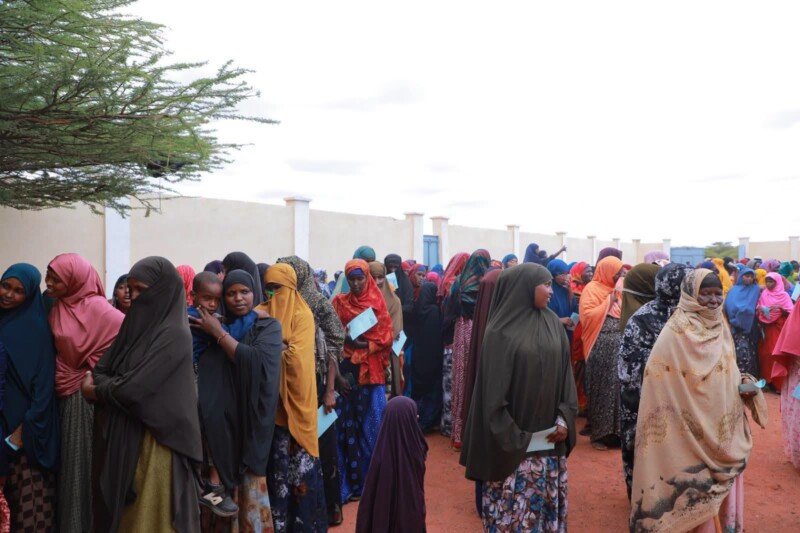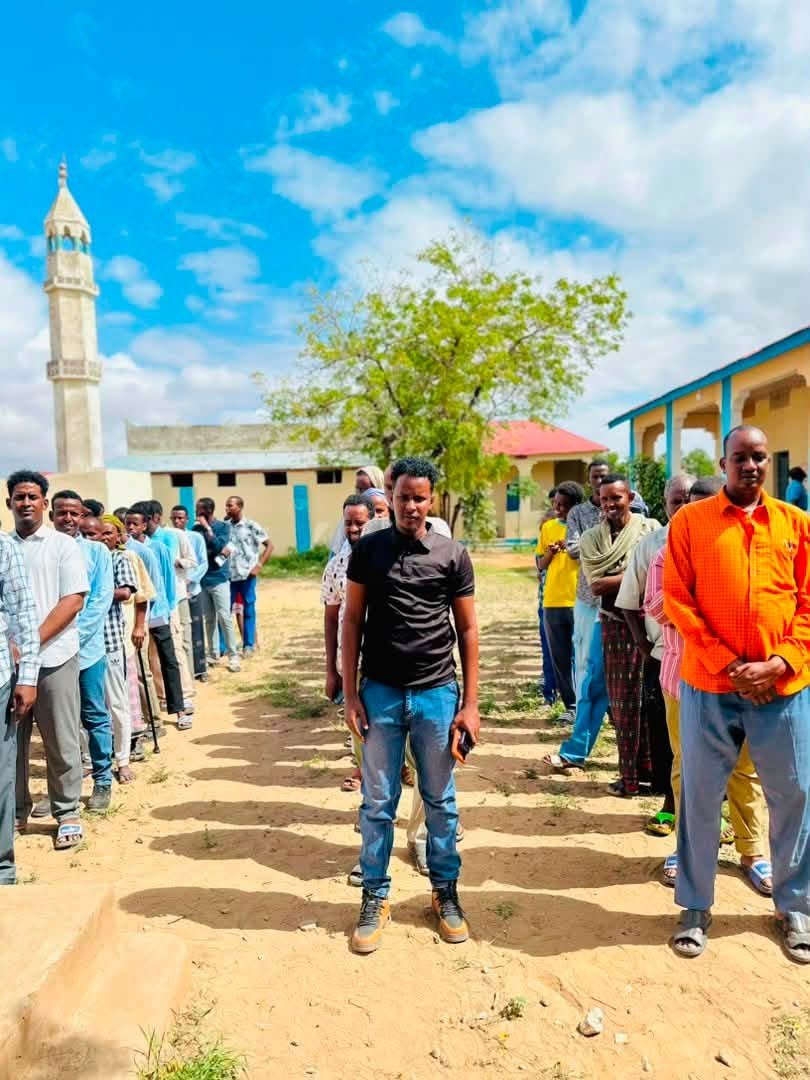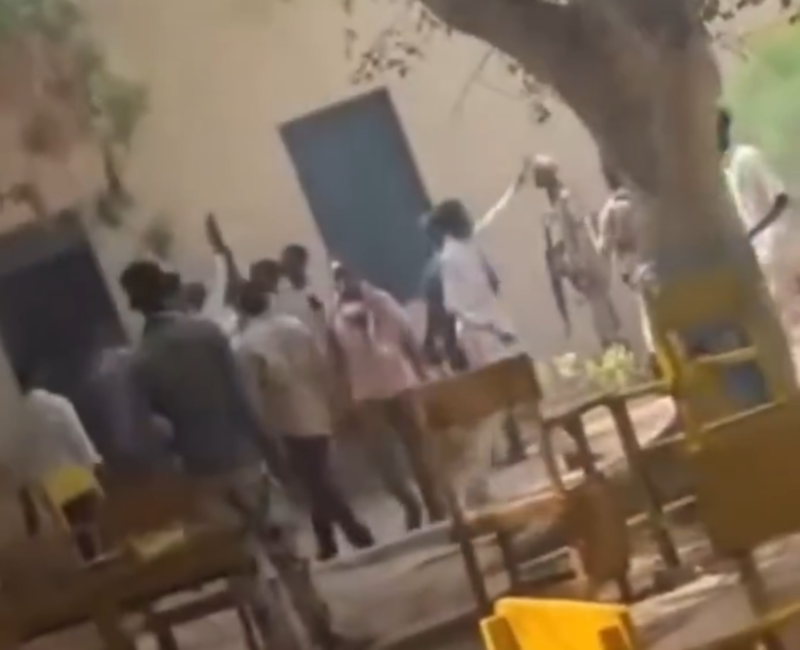
BELEDWEYNE — At least one person was killed and two others injured after gunmen from the Macawisley militia attacked a voter registration centre in Beledweyne on Sunday, forcing staff to flee and halting the registration drive.
The attack comes amid heightened tensions in Hirshabelle state, where local residents had previously expressed opposition to the electoral process, stating that they were not part of it. The Macawisley militia, a clan-based armed group, has been both a partner and a source of friction in Somalia’s complex political landscape.
According to reports from the area, the gunmen stormed the registration centre and opened fire, killing one person and wounding two others. The motive for the attack remains unclear, though it follows recent warnings from the Hirshabelle administration about ongoing political tensions in the region.
Macawisley Militia and the Electoral Context
The Macawisley militia has played a significant role in Somalia’s recent history, emerging in response to grievances against Al-Shabaab, including high taxation, forcible child recruitment, and intimidation. Named after the colourful sarong worn by its members, the militia has been instrumental in reclaiming territories in central Somalia since mid-2022, primarily operating in Hirshabelle and Galmudug states.
However, the integration of these clan-based fighters into formal security structures has been a complex and often contentious process. The militia’s emergence has introduced several security-political challenges, and its actions, including the attack on the voter registration centre, highlight the fragile nature of security in the region.
The Hirshabelle elections are now scheduled for September 30, 2026, having been previously postponed from August 20 to allow for the completion of voter registration in four districts of the Hiiraan region. The attack on the registration centre underscores the challenges facing the electoral commission as it works to conduct the polls.
Background of Local Opposition
Local residents in Beledweyne had previously rejected the disputed elections, saying they were not part of the process. The voter registration centre was reportedly set up as part of the electoral preparations for Hirshabelle state, which has been a flashpoint for political and security tensions.
The Hirshabelle elections will take place across 12 districts in the Hiiraan and Middle Shabelle regions, with the commission having released the list of designated polling stations. However, the attack in Beledweyne highlights the challenges of conducting elections in areas where local communities have expressed opposition.
The electoral commission previously considered rescheduling the Hirshabelle elections after the Macawisley militia seized control of voter registration centres in Beledweyne and disrupted electoral preparations in the region.
Critical Note
The attack on the voter registration centre in Beledweyne underscores the fragility of Somalia’s electoral process and the volatile interplay between clan militias, political disputes, and state-building efforts. The Macawisley militia, while recognized for its role in combating Al-Shabaab, remains a semi-autonomous armed group whose actions are not always aligned with federal or state government objectives.
The local opposition to the electoral process and the use of violence to disrupt it highlight the deeper grievances and fragmentation that continue to undermine efforts to build a stable, inclusive political system. Without a political settlement that addresses the concerns of local communities and ensures their participation in the process, such attacks are likely to recur, further undermining the credibility of the elections.
The federal and state governments must engage with local leaders and communities to address the root causes of the opposition and ensure that the electoral process is inclusive and transparent. The government should also investigate this attack and hold those responsible accountable to prevent further violence and ensure the safety of electoral staff and voters.