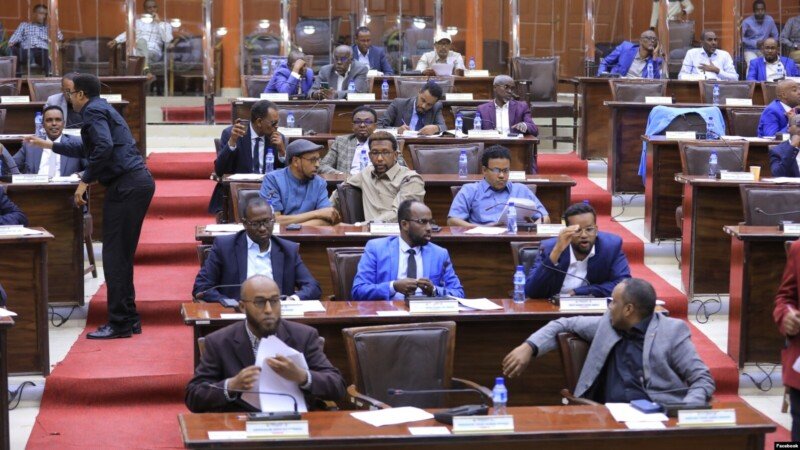
HARGEISA — Somaliland’s House of Representatives is debating amendments to the region’s nationality law that would, for the first time, allow citizenship to pass through the maternal line, a significant departure from the patrilineal system that has governed citizenship since 2002.
The current law, Law No. 22/2002, is explicitly patrilineal. It defines a Somaliland citizen by birth as anyone whose father is a descendant of persons who resided in the territory on 26 June 1960. A narrow exception exists for a person whose mother is a citizen and who has been proved to have no father, but only if they apply and meet other conditions. The law also strips citizenship from women who marry foreign men and acquire their husband’s nationality.
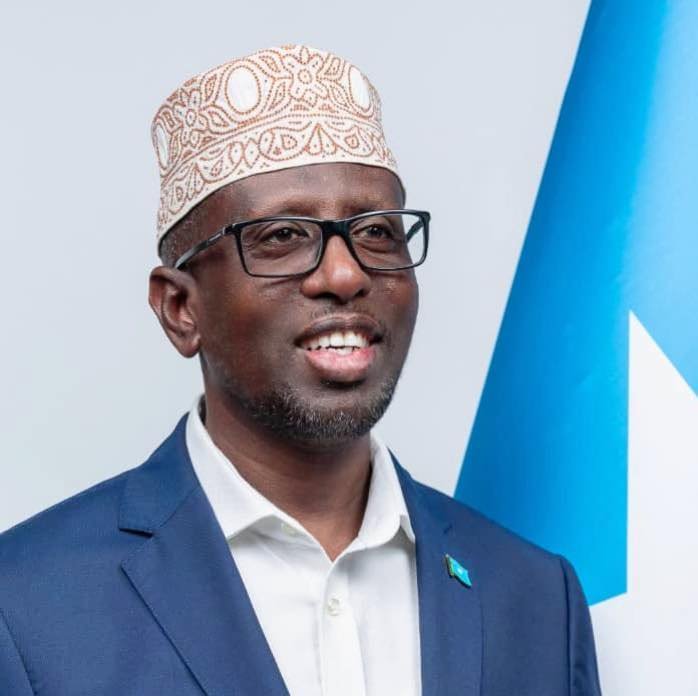
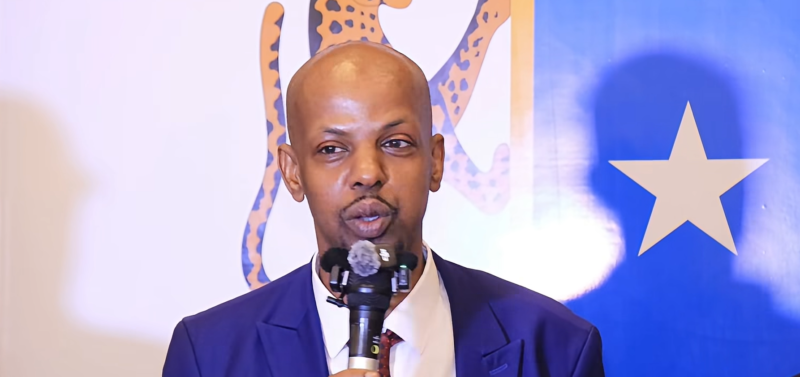
The proposed amendment, as described by MP Mohamed Hassan, would expand the law from 14 articles to 46. The key change is a provision that would grant citizenship to children of a Somaliland mother married to a foreign man. The amendment would also allow a person born in Somaliland to run for political office, up to the presidency, a departure from existing requirements that restrict the highest offices to those of specific lineage.
Media reports indicate that journalists were barred from entering the parliamentary chamber during the proceedings.
Residency Requirement Expanded
The draft law reportedly lowers the residency threshold for citizenship from 1960 to 1990. This means individuals who were residing in Somaliland in 1990 or before would be eligible for citizenship under stricter conditions.
According to MP Mohamed Hassan, the amendment also includes a provision that any foreigner or citizen who commits serious crimes or acts against the state’s security would forfeit their citizenship or right to birth in Somaliland.
Public Reaction and Concerns
The proposed changes have sparked significant public discussion. A social media post by Axmed Bile argued that Somaliland needs a clear, permanent residency law rather than an expanded citizenship law. He stated that if the citizenship law is broadened, it could create a distinction between foreign nationals entering the country and natural-born citizens, which he described as a major danger.
Another post by Yassin Mohamed claimed that the changes to the nationality law are a danger to the people of Somaliland and their rights to own land. The Secretary of the House of Representatives reportedly stated that the law was legal, but critics argue it could have unintended consequences for land ownership and national identity.
Maternal Lineage Shift Aligns With Israel Alliance
The amendment’s introduction of maternal lineage is a deliberate inversion of the prevailing norm in Somalia and the wider Horn of Africa, where citizenship and clan identity are traced through the father. In Somali tradition, a person belongs to their father’s clan, and that lineage determines everything from political representation to land rights and marriage guidelines. A law that allows citizenship to pass through the mother, and permits the child of a foreign father to become a Somaliland citizen, breaks with that tradition in a fundamental way.
The timing of this shift is not incidental. Somaliland’s recognition campaign is being led by an alliance with Israel, which became the first UN member state to formally recognize Somaliland in December 2025, as reported in FTL Somalia’s coverage of Israel’s recognition. Israel’s own nationality framework is rooted in maternal descent. Under Jewish law, a person is considered Jewish if their mother is Jewish, regardless of the father’s status. That principle has shaped Israel’s immigration and citizenship policies, including the Law of Return, which grants citizenship to anyone with at least one Jewish grandparent.
By adopting a maternal lineage provision, Somaliland’s amended nationality law brings Hargeisa’s legal framework closer to that of its new diplomatic partner. The alignment is not merely symbolic. It signals a broader political and legal reorientation, one that moves Somaliland’s conception of belonging away from the patrilineal clan system that has governed Somali society for centuries and toward a framework that mirrors the state that has championed its recognition, Israel.
Somaliland has opened an embassy in Jerusalem, and its first ambassador to Israel presented credentials to Israeli President Isaac Herzog in May 2026, as detailed in FTL Somalia’s coverage of the diplomatic engagement. President Abdirahman Mohamed Abdullahi (Irro) has also met with Israel’s Ambassador to the United Nations, Danny Danon, on the sidelines of the UN General Assembly, as reported in FTL Somalia’s analysis of the meeting.
However, the recognition campaign faces significant obstacles. The African Union, Arab League, and Organisation of Islamic Cooperation have all rejected Israel’s recognition and reaffirmed Somalia’s territorial integrity, as detailed in FTL Somalia’s coverage of regional reactions. The United States has also reaffirmed its recognition of Somalia’s sovereignty, and President Irro himself acknowledged during his Washington visit that no American commitment on recognition has been made.
Critical Note
The debate over the nationality law touches on fundamental questions about identity, belonging, and political rights in Somaliland. Expanding citizenship rights to include maternal lineage and lowering the residency cutoff are significant changes to a law that has been in place since 2002.
The shift toward maternal lineage is, in one sense, a step toward gender equality. But it is also a step away from the clan-based patrilineal system that underpins Somaliland’s social and political order. Somali clan identity is traditionally traced through the father, and a law that grants citizenship through the mother challenges that foundation in ways that are not yet fully understood.
The timing of the amendment is notable. Somaliland’s recognition campaign is being driven by an alliance with Israel and its supporters in Washington. The introduction of maternal lineage into the citizenship law brings Somaliland’s legal framework closer to that of its new diplomatic partner, a state whose own nationality law is rooted in maternal descent. Whether that alignment is coincidental or intentional, it raises questions about the direction of Somaliland’s political and legal evolution, and about whether the amendment is a genuine reform or a political signal to Hargeisa’s new allies.
The barring of media from the parliamentary chamber during these deliberations undermines the transparency of the process. Decisions about who is a citizen, and what rights that entails, affect everyone in the territory. Excluding journalists from observing these debates limits the public’s ability to understand the implications of the changes. A law with such far-reaching consequences deserves to be discussed openly, not in a closed chamber.
The concerns raised about land ownership and the distinction between foreign residents and natural-born citizens reflect deeper anxieties about demographic change and national identity. These are legitimate topics for public debate. The government’s decision to bar media suggests a lack of confidence in the public’s ability to engage with the substance of the amendments.
Recommended Reading On ftlsomalia.com
- Somaliland Envoy Presents Credentials to Israeli President
- Israel Says It Secretly Worked With Somaliland for Years
- President Irro of Somaliland Meets Israeli Ambassador at UN as Recognition Strategy Faces Growing Doubts
- Algeria Accuses Israel of Seeking to Divide Somalia at UN General Assembly
- Israel Names First Ambassador to Somaliland in Controversial Move