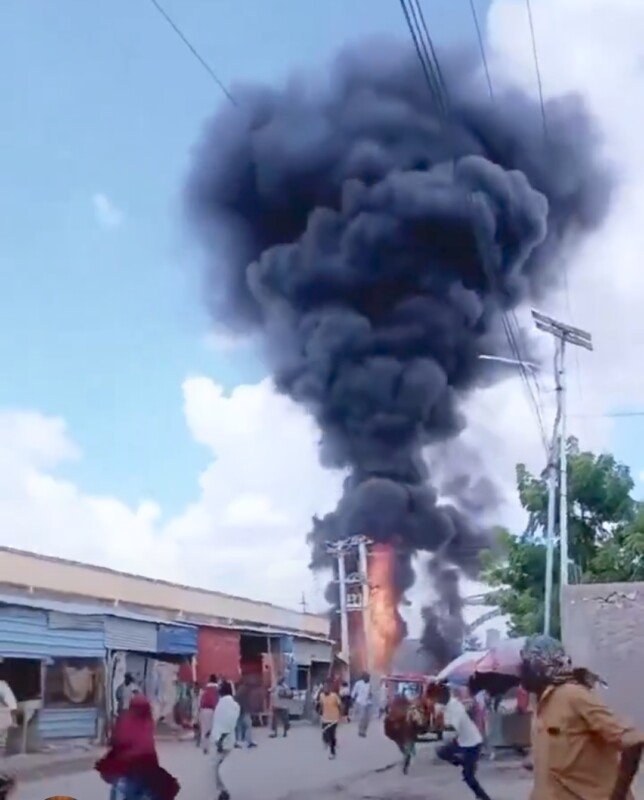
MOGADISHU — Security agencies in Mogadishu are in high alert, as t more than 100 Al-Shabaab elements have been deployed across the capital and surrounding areas with the intent to conduct infiltration operations and support possible high-profile assassinations, sniper attacks, vehicle-borne improvised explosive device (VBIED) attacks, and vest-borne suicide bomber (VSB) attacks.
The threat assessment, circulated among security personnel, indicates that the operatives are also seeking to collect information on basecamp security posture, identify vulnerabilities, and exploit any opportunity to conduct attacks against key installations. Some infiltrators may attempt to conceal their identities by presenting themselves as workers, contractors, visitors, friends, or personnel affiliated with different companies and organizations, meaning familiarity with an individual or their affiliation must not be considered sufficient grounds for granting access.
Security Measures Reinforced
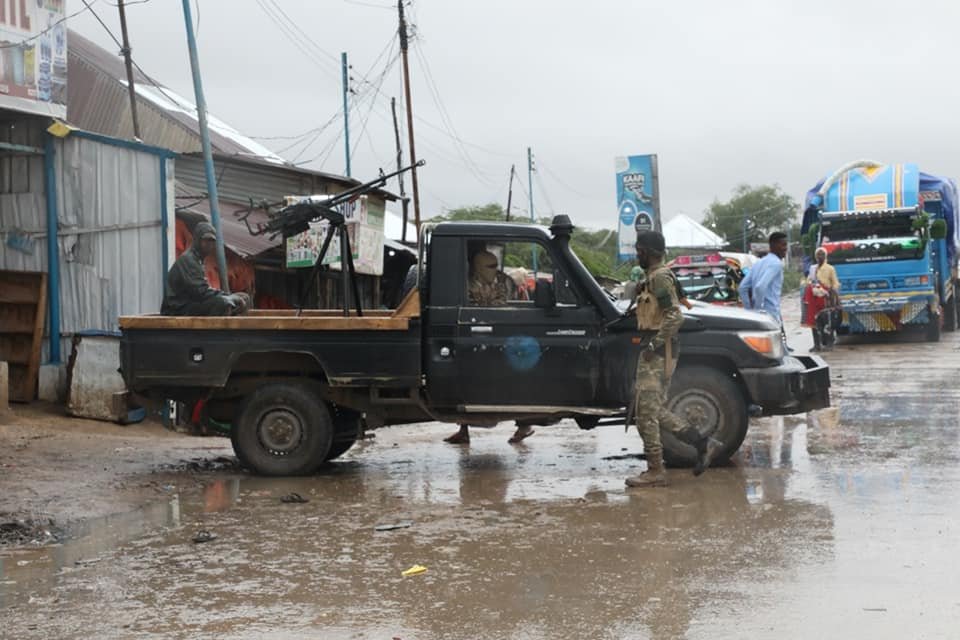
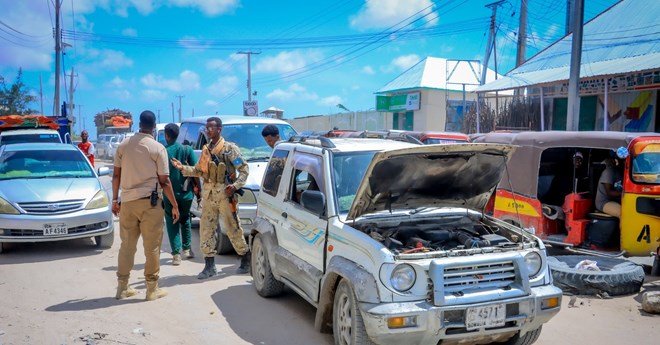
In response to the threat, security forces have reinforced strict force-protection and access-control measures at all entry points and access routes. Authorities are requiring that all civilian personnel be thoroughly checked, verified, and cleared before being granted access to facilities. All vehicles entering basecamps must undergo thorough security checks, with personnel directed to remain vigilant for possible VBIED threats.
The heightened alert comes as Somali authorities have reported significant progress in reducing Al-Shabaab’s infiltration of the country’s economic system, from nearly 100% to around 65%, reflecting ongoing efforts to combat the militant group’s financial networks.
The National Intelligence and Security Agency (NISA) recently arrested nine suspected Al-Shabaab operatives who were planning to carry out attacks in Mogadishu and surrounding areas. The suspects were reportedly operating covertly in the districts of Garasbaaley, Kaxda, and parts of Ceelasha Biyaha, highlighting the persistent threat posed by militant networks operating within the capital.
Operational Measures and Vigilance
Security protocols require all personnel within basecamps, including officers, to maintain a high level of vigilance, wear prescribed personal protective equipment, and carry their personal weapons at all times in accordance with standing orders. A Quick Reaction Force (QRF) is to be organized and maintained on standby to ensure an immediate response to any security incident. Night drone patrols are to be conducted daily to enhance surveillance and reconnaissance around basecamps and their approaches.
The threat assessment follows a pattern of Al-Shabaab’s persistent efforts to infiltrate and destabilize the capital. According to a UN Security Council report, Al-Shabaab’s revenue collection in Mogadishu has fallen from $12-15 million per month to between $5-9 million due to increased security measures. Despite this reduction, the group remains a significant threat, maintaining relations with both Al-Qaida in the Arabian Peninsula and the Houthis.
Critical Note
The deployment of over 100 Al-Shabaab operatives in Mogadishu represents a serious and credible threat to the capital’s security. The group’s ability to infiltrate the city and plan high-profile attacks underscores the persistent challenge facing Somali security forces and their international partners.
While the government has made progress in degrading Al-Shabaab’s capabilities, including through recent arrests and financial disruptions, the group remains resilient and adaptable. The focus on infiltration and intelligence-gathering suggests Al-Shabaab is seeking to exploit vulnerabilities in security protocols, relying on the element of surprise and the difficulty of detecting operatives who blend into civilian life. This highlights the need for continued vigilance, community cooperation, and sustained counter-terrorism operations.
Residents and personnel in Mogadishu are urged to remain vigilant and report any suspicious activity immediately. The government must also continue to address the underlying drivers of radicalization and recruitment, including poverty, lack of opportunity, and governance deficits, to break the cycle of violence that has plagued the capital for years.