
MOGADISHU, The Office of National Security has categorically denied reports that Turkish F-16 fighter aircraft or armed drones struck Somali National Army positions near Leego on October 26, 2026, describing the claims as “false and misleading” and reaffirming that “at no point were SNA forces mistakenly targeted by Turkish aircraft or drones.”
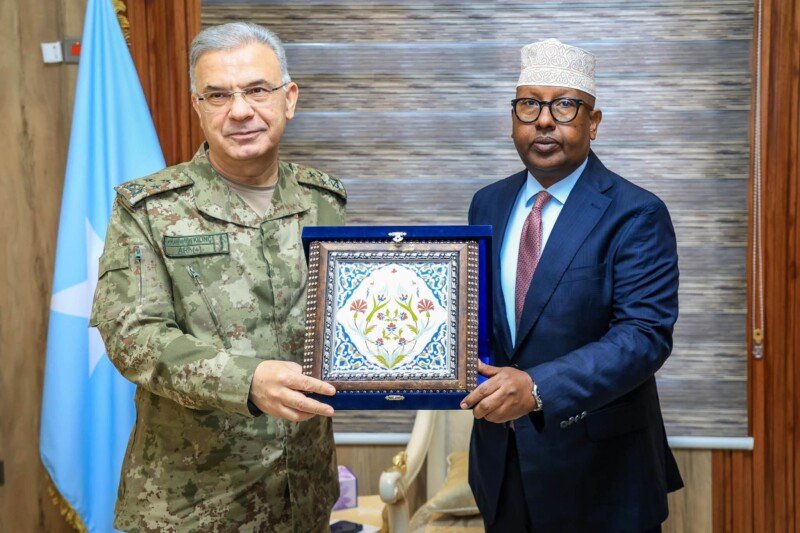
The statement, published on X, also reaffirmed the strength of the Somalia-Türkiye partnership, describing it as focused on “combating terrorism, strengthening national security and restoring lasting peace.” It urged the public to rely on verified information and to refrain from spreading “unsubstantiated claims and misinformed judgements that could undermine public confidence and the morale of the security forces.”
The denial is a direct response to a specific claim that emerged from one of the deadliest battles of the year, but it does not address the broader questions about what actually happened to Somali forces in Leego.
The Battle and Its Conflicting Accounts
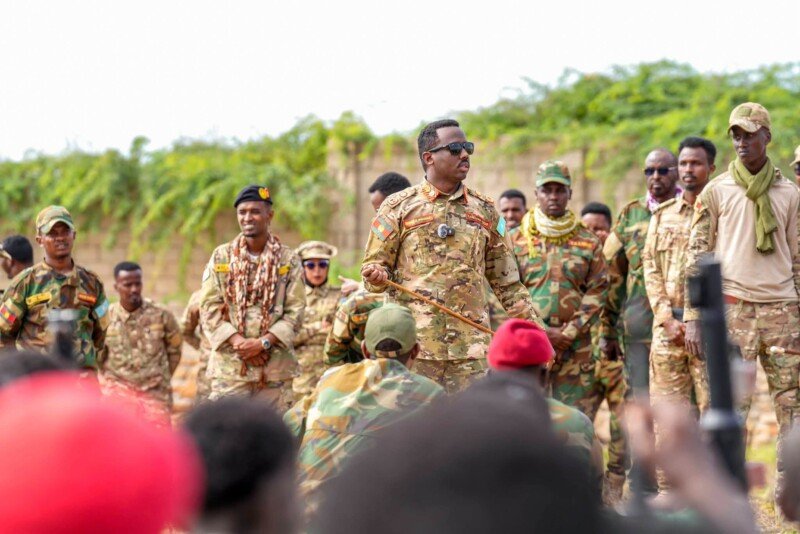
The engagement near Leego and Jameeca on October 26 was significant. The Somali Defence Ministry claimed its forces killed 75 Al-Shabaab militants and wounded 56 others during hours of fighting after militants attacked a military convoy, as reported in FTL Somalia’s coverage of the operation. The ministry acknowledged that Al-Shabaab used explosives-laden vehicles against army vehicles and that some government transport was damaged.
But the accounts diverge sharply. Two soldiers speaking to Reuters on condition of anonymity described a far heavier toll than the government has acknowledged. One said he helped transport 40 dead soldiers and more than 100 wounded to Mogadishu. Another estimated that dozens of government troops were killed and that five military vehicles were destroyed.
Garowe Online reported that 36 military vehicles were lost, including six Turkish-made Kirpi armoured vehicles, and that several officers were reported missing. Al-Shabaab claimed to have killed 321 troops, a figure that is almost certainly inflated, but the fact that the government convened an emergency cabinet meeting to discuss “heavy casualties,” according to local media, suggests the losses were significant.
The Origin of the Friendly Fire Claim
The ONS statement does not identify who made the claim that Turkish aircraft struck SNA positions, where it originated, or what evidence it was based on. It simply rejects it.
Garowe Online noted that “separate reports also alleged that Turkish military aircraft mistakenly struck Somali government troops, potentially contributing to the losses.” Al-Monitor reported that a Somali Defence Ministry statement initially said Turkish F-16s carried out strikes on Al-Shabaab targets in October, before a later version referred only to “international partners.” That precedent, in which Turkish involvement was initially acknowledged and then obscured, is part of why the claim of mistaken targeting gained traction.
What the Denial Does Not Explain
The ONS statement is a denial, not an explanation. It does not provide an alternative account of how the SNA vehicles were destroyed, how many soldiers were killed, or why the government’s casualty figures differ so dramatically from those provided by its own soldiers.
It also does not address the role that Turkish aircraft may have played in the battle, whether in support of Somali forces or otherwise. It does not confirm or deny that Turkish aircraft were present in the area, or that they conducted any strikes. It simply rejects the specific claim of mistaken targeting and asks the public to trust the government’s account without providing the details that would make that trust possible.
Critical Note
The ONS denial is a necessary corrective to unverified claims, but it is not a substitute for transparency. The Somali government has an obligation to explain what happened near Leego on October 26, not just to deny what it says did not happen. The soldiers who spoke to Reuters provided specific, credible accounts of heavy losses. The government has not disputed those accounts directly. It has simply declined to address them.
The timing of the statement, issued after reports of the alleged strike had circulated for a day, suggests the government felt compelled to respond to a narrative that was gaining traction. But a denial issued without supporting evidence, and without a full accounting of the battle, is unlikely to persuade those who already distrust the government’s communications.
The ONS statement says the government remains committed to “transparency, accountability and the protection of the Somali people.” The test of that commitment is not a press release. It is whether the government provides a credible, detailed account of what happened to its soldiers in Leego, and whether it holds accountable those responsible for the losses, whether they are Al-Shabaab fighters, Turkish pilots, or Somali commanders. A government confident in its partnership and its account of events should be able to provide both.