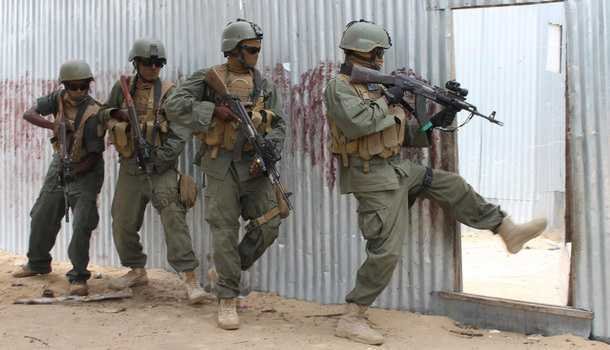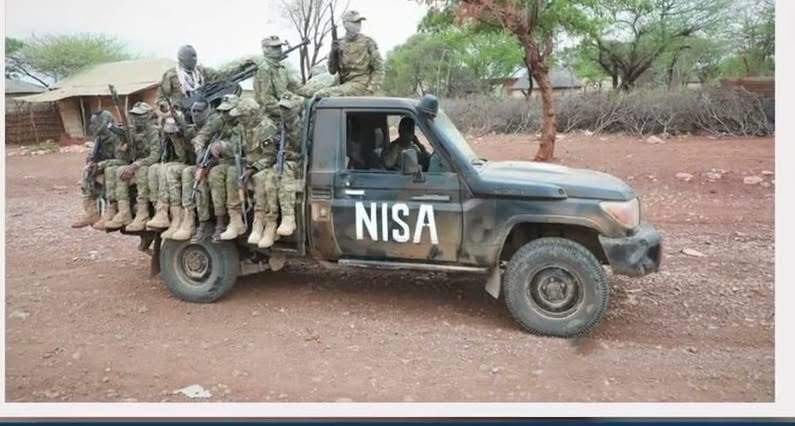
MOGADISHU — Somalia’s National Intelligence and Security Agency (NISA), supported by international partners, killed an Al-Shabaab commander and three militants in a planned operation in the Guulane and Al-Furqaan areas of the Middle Shabelle region on Sunday.
The operation targeted a group leaving a meeting in Guulane. According to NISA, the four killed included Omar Siyad Caraaye, an Al-Shabaab commander responsible for one of the clans in Middle Shabelle, two militants operating the motorcycles carrying the commanders, and a bodyguard.
Abdi Mohamed Nur, another Al-Shabaab commander responsible for clan affairs, was wounded in the operation. Abdullahi Ali Caraaye and Abdi Daalane, both identified as members of the targeted leadership, narrowly escaped.
The operation is part of ongoing efforts by NISA to dismantle Al-Shabaab leadership networks and weaken their capacity to organise and carry out attacks against Somali civilians.
Pattern of Intelligence-Led Operations
The Middle Shabelle region has been a focal point of NISA operations in recent months. In August 2026, NISA conducted a planned operation in the Fidow area, as reported in FTL Somalia’s coverage of intelligence operations in the region. That operation targeted a house where Al-Shabaab militants were sheltering.
In July 2026, a precision airstrike in Aadan Yabaal killed 11 Al-Shabaab leaders, including the group’s regional commander for Middle Shabelle, as detailed in FTL Somalia’s report on the airstrike.
Earlier in September, NISA arrested 11 suspected Al-Shabaab operatives across multiple districts in and around Mogadishu, including Daarusalaam, Garasbaaley, Kaxda, Dayniile, and Afgooye.
Critical Note
The elimination of a clan affairs commander represents a targeted strike against Al-Shabaab’s efforts to embed itself within local communities and exploit clan dynamics. The wounding of a second commander responsible for the same portfolio suggests NISA is systematically degrading the group’s capacity to manage community relations and recruitment.
However, the limited information provided by NISA raises questions about the scope of the operation and the protection of civilians in the area. The agency did not disclose whether any bystanders were harmed or provide details on the nature of the international support received. Greater transparency would help build public confidence in the government’s counterterrorism efforts and allow for independent verification of claims.
The recurring nature of these operations, with multiple rounds of strikes and arrests in Middle Shabelle in recent months, suggests that Al-Shabaab retains the ability to regroup and reconstitute its leadership despite sustained pressure. This underscores the need for a comprehensive approach that addresses not only the immediate security threat but also the underlying drivers of radicalisation and the governance gaps that enable the group to operate in areas outside state control.
Recommended Reading On ftlsomalia.com
- NISA and International Partners Execute Precision Operation in Middle Shabelle
- Precision Airstrike in Aadan Yabaal Kills 11 Al-Shabaab Leaders, Including Regional Commander
- NISA Arrests 11 Operatives as Al-Shabaab Networks Targeted in Multi-District Operation
- SNA Ground Forces Commander Arrives in Dhusamareb to Accelerate Anti-Al-Shabaab Operations
- Somali National Army Repels Al-Shabaab Attack on Baidoa
- Al-Shabaab Militants Crushed in Joint HirShabelle-Galmudug Offensive