MOGADISHU, A motion calling for the dismissal of Somalia’s Health Minister, Dr. Ali Haji Adan, was submitted to the House of the People on Saturday, signed by at least 20 lawmakers who accused the minister of serious failures in the management of the country’s health sector.
Speaker Abdulkadir Mohamed Nur (Jaamac) confirmed that the motion met the procedural requirements outlined in Article 62, Clause 4 of the House’s standing rules. The motion includes the questions to be raised, the reasons for the submission, and the names and signatures of the sponsoring lawmakers. The House’s standing committee subsequently added the motion to Saturday’s parliamentary agenda in accordance with Article 62, Clause 6.
MP Mukhtar Mohamed Guleed, one of the signatories, read the names of the supporting lawmakers and outlined the objectives of the motion. He was explicit in rejecting the suggestion that the move was a targeted attack on the minister or his clan. “The minister is not being targeted on a clan basis or as part of am attack on the cabinet,” Guleed said. “We have the right under the standing rules and the Constitution to ask questions. Other ministers from other clans will also be brought before this House.”
MP Nadra, chair of the Social Services Development Committee, stated that the committee had previously met with the minister but was not satisfied with his responses. She formally proposed a vote of no confidence in the minister.
A Cabinet Under Scrutiny
The motion against the health minister is the latest sign of friction between the legislative and executive branches. The House has increasingly asserted its oversight role, with lawmakers pressing for accountability on service delivery, security, and financial management.
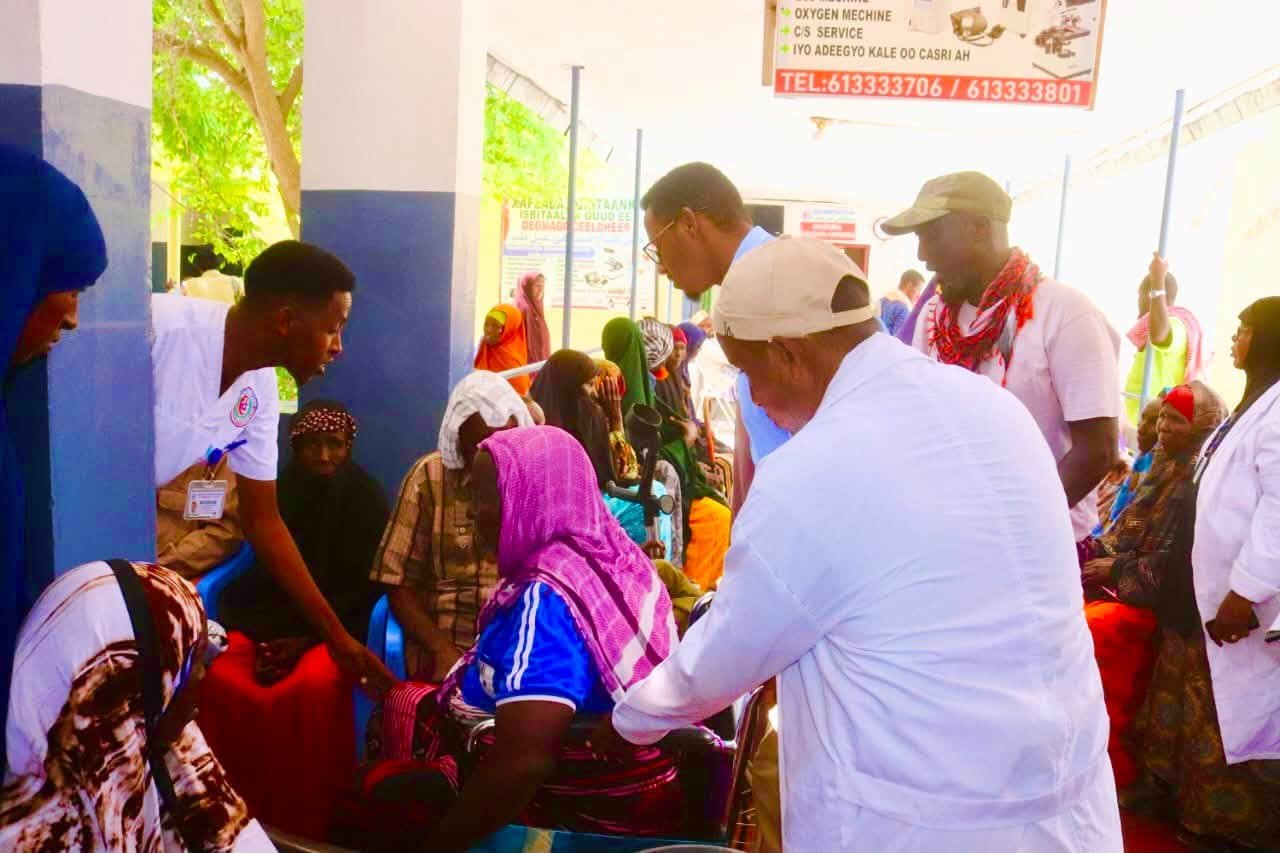
As reported in FTL Somalia’s coverage of the relationship between the executive and the JSP bloc, the House has been closely aligned with the government’s political agenda on major issues, but individual ministers remain vulnerable to targeted challenges. The health portfolio has been under pressure for months, with lawmakers raising questions about budget execution, the distribution of medical supplies, and the management of public hospitals.
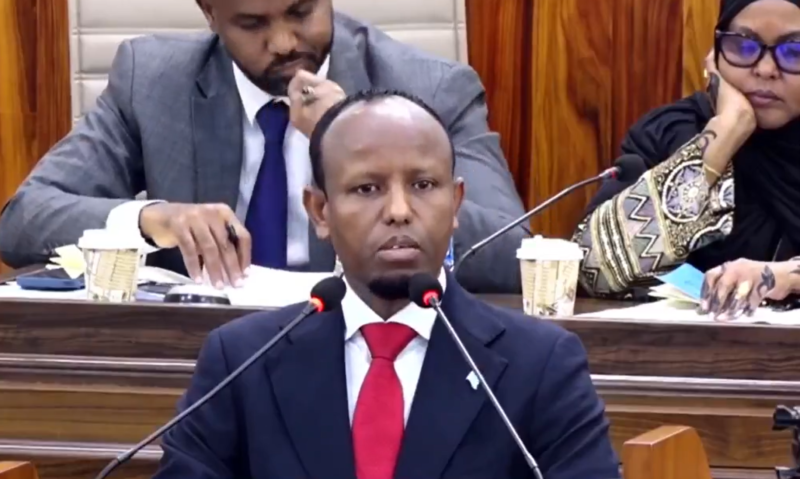
During the session, the minister appeared before lawmakers to answer the questions raised in the motion. While the debate was ongoing at the time of reporting, the arithmetic of the House suggests the motion is unlikely to pass. Many ministers and their allies remain in the chamber, and the government has the votes to protect one of its own.
Critical Note
The motion against Dr. Ali Haji Adan is a test of whether Somalia’s parliament can exercise meaningful oversight of the executive branch. The 20 lawmakers who signed it are within their constitutional rights, and the issues they have raised about the health sector are legitimate. Public hospitals remain underfunded, medical supplies are often unavailable, and the ministry has struggled to address the needs of a population facing repeated humanitarian crises.
But the outcome of the motion will be decided by political arithmetic, not by the merits of the case. The government has the numbers to defeat it, and many lawmakers will vote to protect the minister for reasons that have little to do with healthcare. The fact that Guleed felt compelled to deny that the motion was clan-based or part of a broader government agenda is itself an acknowledgment that such accusations are common in Somali politics, and that they undermine the credibility of legitimate oversight.
If the motion fails, it will be a victory for the minister and the government, but it will not resolve the concerns that prompted it. The health sector’s problems will remain, and the lawmakers who raised them will have to decide whether to pursue other avenues or accept defeat. The House’s oversight role is only as strong as its willingness to exercise it consistently, not just when political calculations permit.