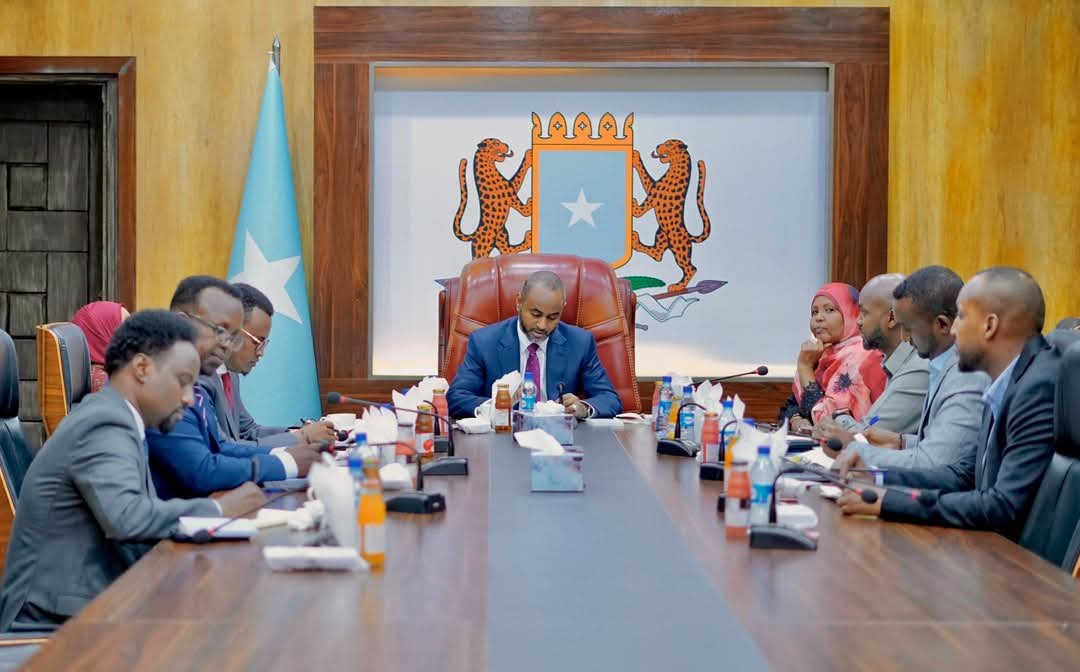
MOGADISHU — The Speaker of Somalia’s House of the People, Abdulkadir Mohamed Nur (Jama), met with the Independent National Human Rights Commission on Sunday, led by its Chairperson Dr. Maryam Qasim, to discuss the Commission’s mandate and operations.
The Speaker praised the Commission’s efforts to protect and promote human rights and stressed the importance of strengthening cooperation between national institutions, particularly between the House of the People and the Commission.
He urged the Commission to regularly share its work and activities with the House of the People to strengthen accountability and cooperation between government institutions.
The Commission’s Record
The Independent National Human Rights Commission was established in 2025, with nine members approved by the Council of Ministers and later elected by Parliament. Dr. Maryam Qasim Ahmed was elected Chairperson in February 2026, bringing over forty years of expertise in public administration and social services, including previous roles as Minister of Health, Education, and Humanitarian Affairs.
Dr. Maryam has led the Commission in engagements with international partners, including the launch of a child rights coalition in Mogadishu and discussions with the UK on human rights cooperation in Geneva.
Critical Note
Meetings between the Speaker and the Human Rights Commission are welcome, but Somalia’s human rights crisis demands more than institutional coordination. The Commission has now been operational for nearly a year. In that time, the government has not demonstrated the political will to address the most pressing violations facing Somali citizens.
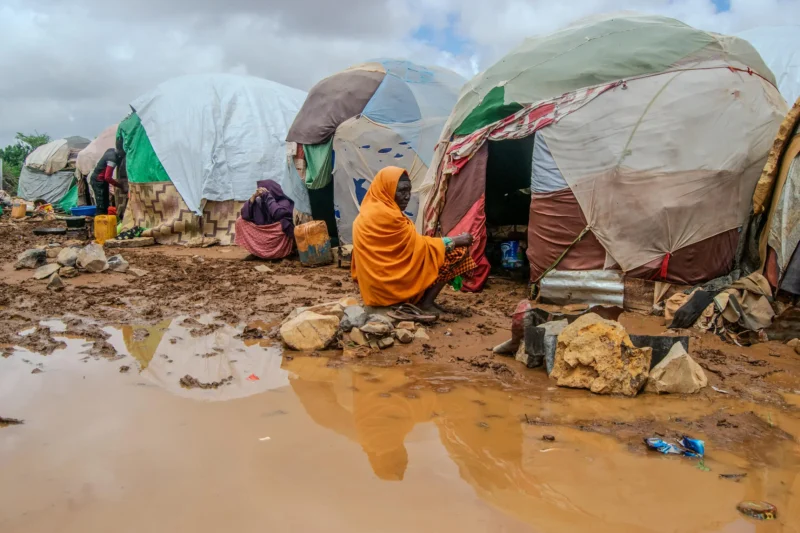
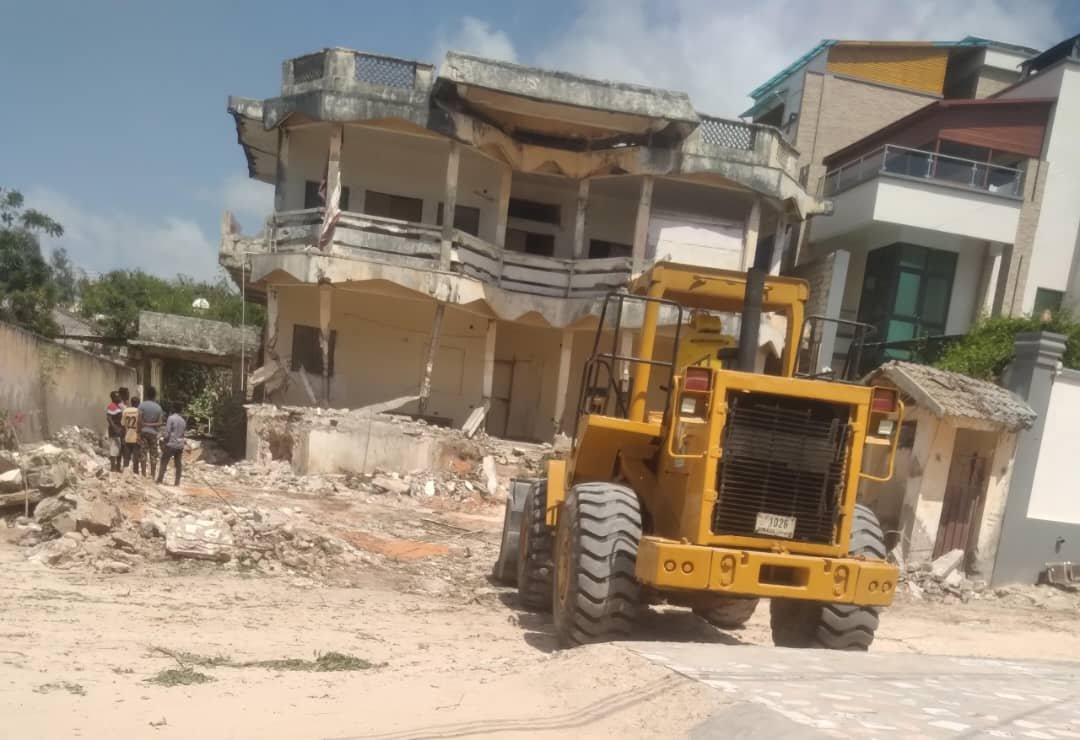
Forced evictions continue across Mogadishu, with residents in the Tookiyo neighbourhood protesting the demolition of their homes and families in Wabari district facing live ammunition when resisting eviction. The United Nations has warned that more than 142,000 internally displaced people have been forcibly evicted from temporary shelters since the start of 2025.
Journalists have been arrested and detained without charge for reporting on matters of public interest. Three journalists were detained and allegedly assaulted in May 2026, with the Somali Journalists Syndicate reporting that police chief Mahdi Omar Mumin threatened them with “death” if they did not remain silent about planned protests and sensitive developments. Civilians continue to be arrested without warrants.
The Commission’s mandate includes investigating and reporting on human rights violations. The question is whether it has the independence and resources to do so, particularly when violations involve state actors. Somalia’s sexual offences bill, first drafted in 2018, remains unenacted. The legal framework for prosecuting abuses remains outdated, and customary mechanisms often prioritise clan interests over victim rights.
What Somalia does not need is another committee or working group meeting. It needs institutions with the authority and independence to hold violators accountable, regardless of rank or affiliation. The Human Rights Commission has the legal mandate. Whether it has the political space to exercise that mandate is the test that matters.
Recommended Reading On ftlsomalia.com
- Dr. Maryam Qasim Ahmed Elected Head of Somalia’s Human Rights Commission
- Human Rights Chairperson Launches Child Rights Coalition in Mogadishu
- Violence Erupts in Mogadishu as Residents Protest Demolition of Homes in Tookiyo Neighbourhood
- Journalists Arrested, Beaten in Mogadishu Amid Press Freedom Crackdown
- Somali Cabinet Endorses Nine Members to National Human Rights Commission
- Mogadishu Residents Protest Forced Evictions in Wabari District