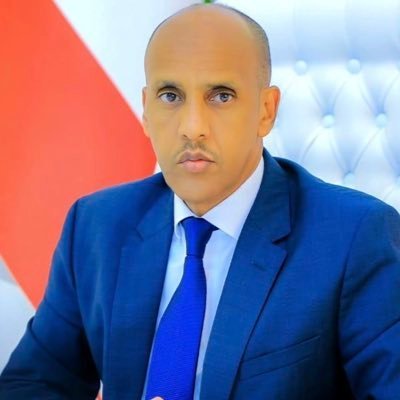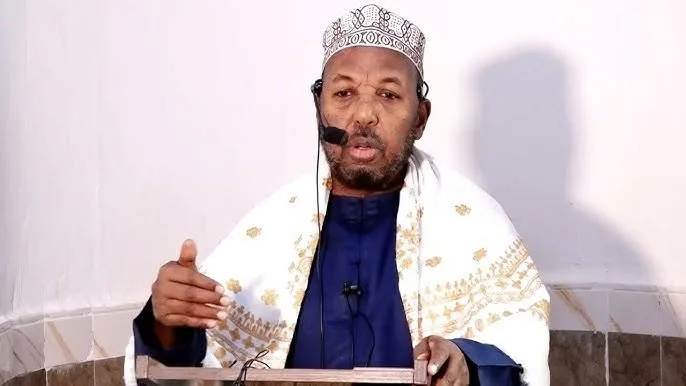
MOGADISHU — A prominent Somali cleric and adviser to President Hassan Sheikh Mohamud has sharply criticized the traditional leader of the Hawadle clan for his involvement in the political dispute over the Hirshabelle elections, saying the Ugaas has entered matters outside his mandate.
Sheikh Ali Mahmoud Hassan (Wajiis), a member of Somalia’s religious establishment, made the remarks in an interview with Somali Cable television, according to a report by Caasimada Online. He specifically named Ugaas Yusuf Ugaas Hassan Ugaas Khalif, the paramount traditional leader of the Hawadle community, who has been leading consultations in Beledweyne on the clan’s response to the Hirshabelle electoral process.
“The Hawadle Ugaas has entered work that is not his. It is not for the Ugaas to engage in elections; that is not what he was designated for,” Sheikh Wajiis said. “Have you seen the Mudulood Imam or the Mudulood Ugaas speaking about elections?”
The cleric argued that the role of traditional leadership is to guide the community and work with the Somali government, not to intervene in electoral politics. He suggested that politicians were using the traditional leader’s platform to advance their own objectives.
“The voice belongs to the politician. He is a man with an agenda, he is casting a net, and whatever falls into it, he wants to destabilize the government,” Sheikh Wajiis said. “But the tradition is careful; it leads the clan and advises the government.”
He also claimed that some politicians had attempted to remove the Ugaas from his position, but that the effort had failed and the Ugaas had ultimately refrained from taking further action.
Context of the Dispute
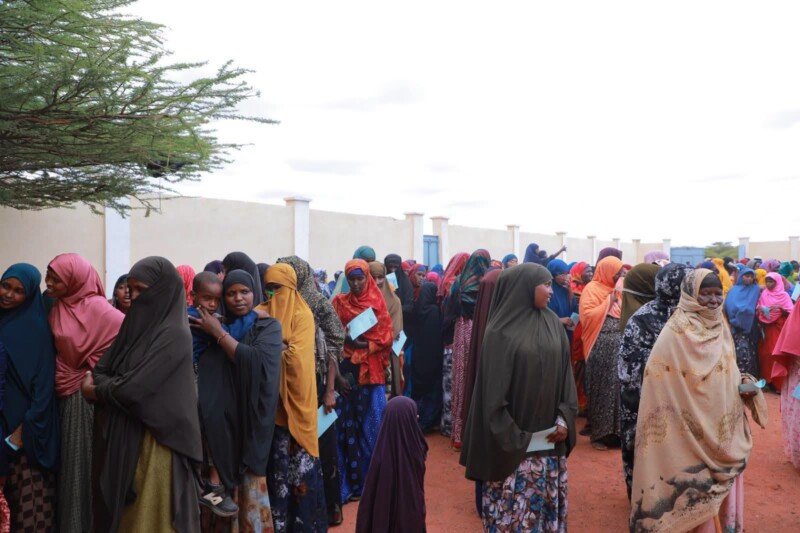
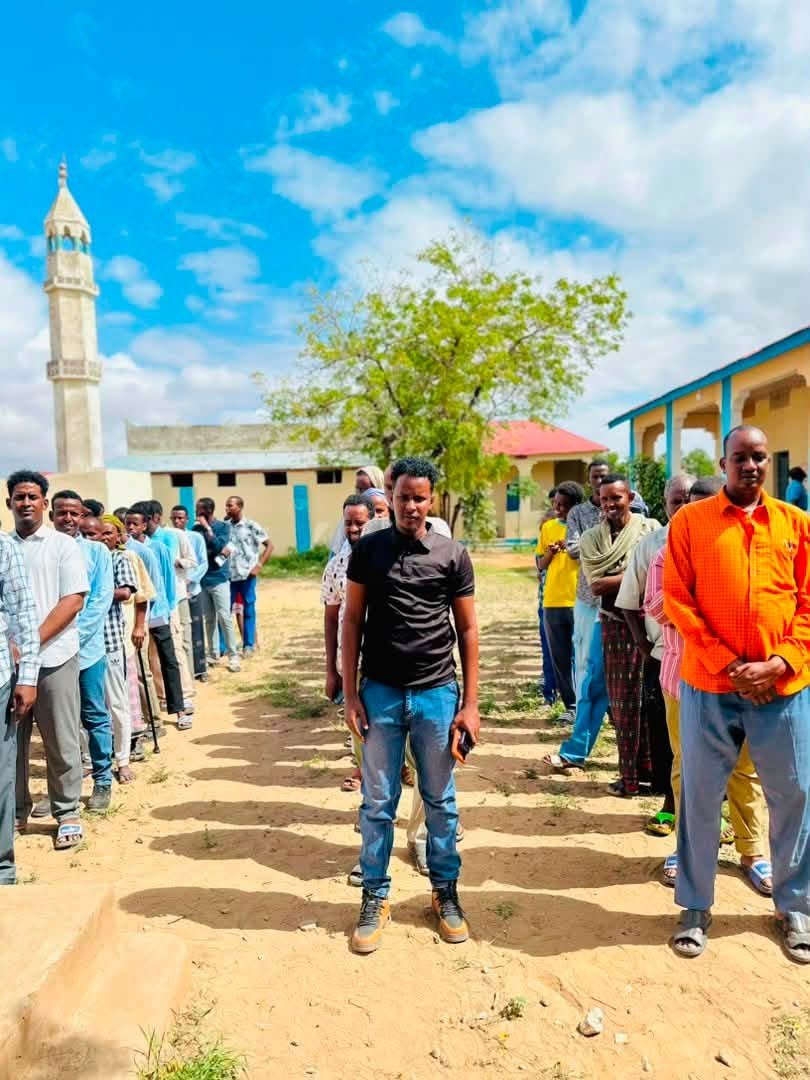
Sheikh Wajiis’s remarks come amid an ongoing political crisis in Hirshabelle, where the Hawadle community has rejected the electoral process that culminated in the September 30 vote. The Hawadle clan’s traditional and political leadership had demanded that the election be suspended until a political agreement and broad consultation were reached on how the Hirshabelle administration should be formed.
As reported in FTL Somalia’s coverage of the electoral dispute, Ugaas Yusuf led consultations in Beledweyne in September where the clan declared it would not accept any election held without a prior political agreement. Armed Macawiisley fighters seized voter registration centers in Beledweyne, and traditional elders barred Hirshabelle administration officials from landing at airports in Hiiraan.
The dispute centers on the power-sharing arrangement in Hirshabelle, where the presidency has alternated between the Abgaal and Hawadle communities. The Justice and Unity Party’s decision to renominate incumbent President Ali Abdullahi Hussein Guudlaawe, an Abgaal politician, for another term intensified opposition from Hawadle leaders who argue the presidency should return to their community.
Sheikh Wajiis has previously made controversial statements defending the federal government’s right to use military force against armed opponents. As reported in Horseed Media, he said in September 2026 that “anyone who is armed will be killed, and a rifle, artillery or an aircraft can be used to strike them,” remarks that intensified debate over the limits of government force.
Critical Note
Sheikh Wajiis’s intervention is significant for two reasons. First, it represents a direct attack on the legitimacy of the Hawadle clan’s traditional leadership at a moment when that leadership is at the center of a political confrontation with the federal government. Second, it comes from a cleric who is also an adviser to President Hassan Sheikh Mohamud, raising questions about whether his remarks reflect a broader government strategy to discredit the Hawadle opposition.
The claim that the Ugaas has no role in elections is constitutionally and culturally debatable. In Somali tradition, clan elders and traditional leaders have historically played significant roles in conflict resolution and political mediation, including in electoral matters. The line between “guiding the community” and “engaging in politics” is not as clear as Sheikh Wajiis suggests, particularly when the political dispute directly affects the clan he leads.
The broader context is that the Hirshabelle election has produced a contested outcome. The JSP won a landslide, but a significant segment of the Hawadle community rejected the process as illegitimate. By attacking the Ugaas, Sheikh Wajiis may be attempting to delegitimize the opposition’s most prominent voice. Whether that strategy will succeed in pacifying Hiiraan or further inflame tensions remains to be seen. The risk is that marginalizing traditional leadership removes a potential channel for dialogue and pushes the dispute further toward confrontation.