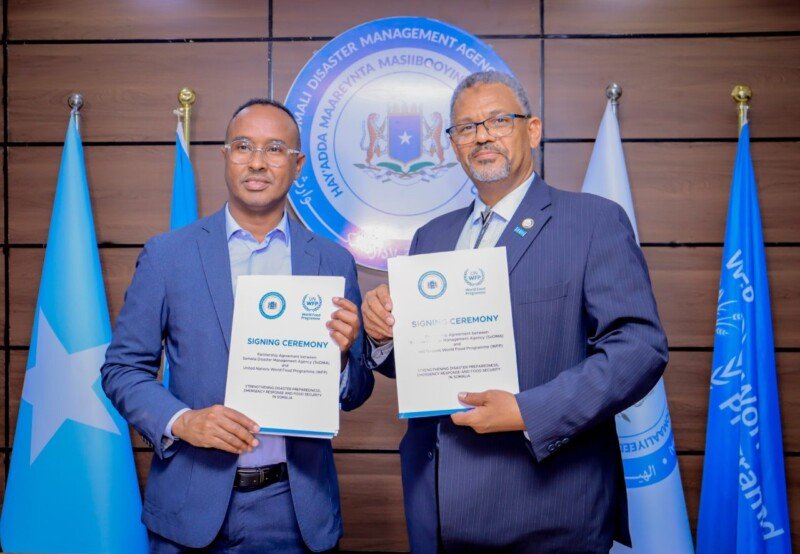
MOGADISHU — The Somali Disaster Management Agency (SoDMA) and the United Nations World Food Programme (WFP) have signed a two-year cooperation agreement aimed at strengthening Somalia’s capacity to prepare for and respond to disasters, with a focus on early warning and anticipatory action.
SoDMA Commissioner Mahmoud Moallim Abdulle and WFP Somalia Representative Hameed Nuru signed the agreement, which covers risk forecasting, preparedness, early warning systems, anticipatory action and emergency response.
The partnership will also support efforts to strengthen Somalia’s disaster risk management systems, food security, humanitarian assistance and community resilience, with the aim of reducing the impact of disasters and protecting lives and livelihoods.
A System Under Strain
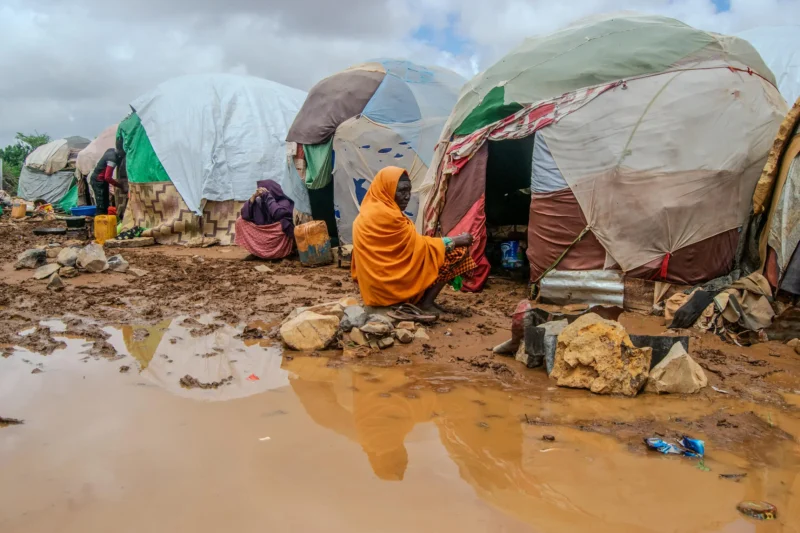
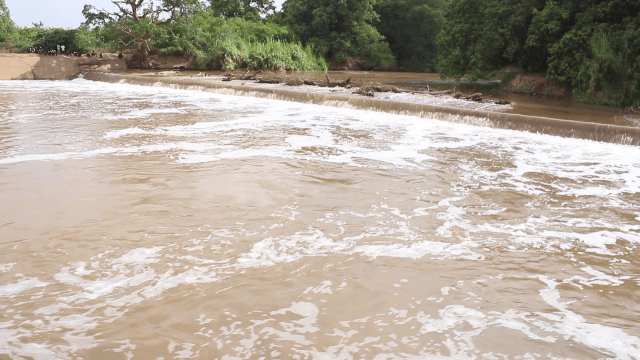
The agreement comes as Somalia braces for a potentially severe El Niño event during the October-December Deyr rainy season. Climate experts warn that a strengthening El Niño could bring unusually heavy rainfall, with SoDMA placing 29 districts across 14 regions on high alert for riverine and flash flooding, as detailed in FTL Somalia’s coverage of the national preparedness plan.
The government approved a National El Niño Preparedness Plan in September 2026, consolidating efforts across federal institutions, Federal Member States and local authorities. The plan strengthens early warning and risk monitoring systems and the protection of people, livestock, agriculture, water and critical infrastructure.
However, the humanitarian context in 2026 is more challenging than in previous years. Humanitarian funding has fallen by almost a third since 2023 to its lowest level in a decade, while operational costs have increased due to supply chain disruptions linked to the Strait of Hormuz closure. The 2026 Humanitarian Needs and Response Plan, which sought US$852 million, remained less than one-third funded by mid-September, as reported in FTL Somalia’s coverage of the Humanitarian Forum.
The strain on the system is already visible. The World Food Programme has reduced the number of people receiving emergency food assistance from 2.2 million in early 2025 to just over 600,000, warning that its resources are expected to be depleted without urgent replenishment, as detailed in FTL Somalia’s coverage of the WFP warning. Pope Leo XIV also issued an appeal for international solidarity with Somalia, calling for the “generous involvement of the international community” so that Somalis “may not lack necessary assistance,” as reported in FTL Somalia’s coverage of the papal appeal.
Critical Note
The SoDMA-WFP agreement is a necessary step in strengthening Somalia’s disaster preparedness architecture, but it arrives at a moment when the gap between planning and resources is widening. The government has demonstrated it can convene meetings, approve plans and sign cooperation agreements. The test is whether it can translate those commitments into pre-positioned supplies, funded anticipatory action and protection for the millions at risk before the rains arrive.
Early warning systems and anticipatory action frameworks are only as effective as the financing behind them. SoDMA has identified high-risk districts and prepared alerts, but preparedness without resources translates into little more than monitoring. The agencies that would implement early action are the same ones scaling back because of funding cuts.
The two-year timeframe of the agreement is notable. It suggests a recognition that disaster preparedness is not a seasonal exercise but a continuous institutional commitment. Whether the partnership can deliver on that commitment will depend on whether the international community provides the resources that make early action possible. Diplomatic appeals and signed agreements do not substitute for funding.
Recommended Reading On ftlsomalia.com
- Deputy PM Chairs Ministerial Meeting as Government Approves National El Niño Preparedness Plan
- Interior Minister Opens Somalia Humanitarian Forum as Funding Gap Narrows
- Somalia Faces Severe Hunger Crisis as Aid Reductions Continue: WFP
- Pope Leo XIV Appeals for International Aid to Somalia Amid Drought and Violence