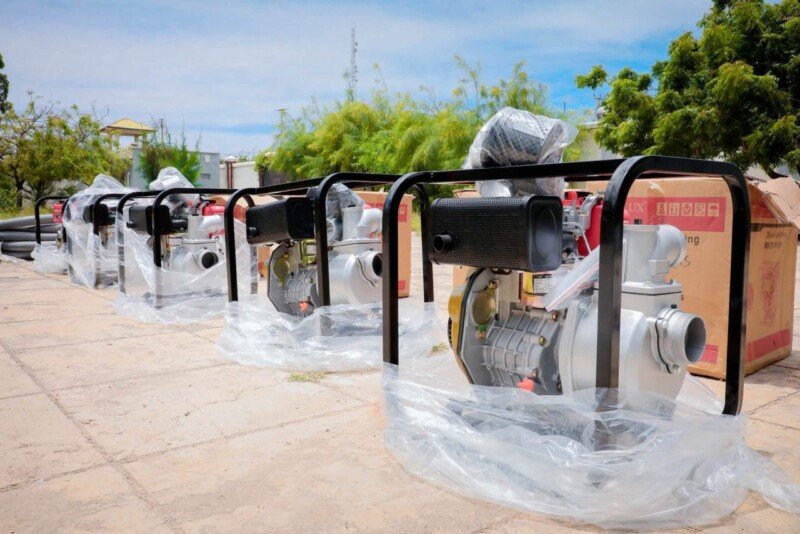
MOGADISHU — Somalia’s National Disaster Management Agency (SoDMA), working with the Jubbaland Ministry of Relief and Disaster Management, has prepared 10 water pumps to be deployed to the districts and areas of Jubbaland most vulnerable to flooding, amid concerns over heavy rains and floods expected from Super El Niño.
The pumps will be used to remove water from towns and areas affected by rains and floods, in order to reduce the damage and harm that could befall local communities.
The measure is part of efforts to strengthen early preparedness and early action, with the aim of reducing the impact of floods and the risks arising from the anticipated heavy rains.
SoDMA and Refugee Agency Discuss El Niño Risks
In a separate engagement, SoDMA Commissioner Mahmoud Moallim Abdulle received the Commissioner of the National Refugee Agency at the agency’s headquarters. The two officials discussed the anticipated El Niño situation and its potential impact on displaced populations, particularly the risks of flooding and other conditions arising from the rains.
The meeting also focused on strengthening early preparedness, early warning, and coordination among agencies to reduce the impact of disasters and to prepare vulnerable communities for an appropriate response.
A Broader Preparedness Push
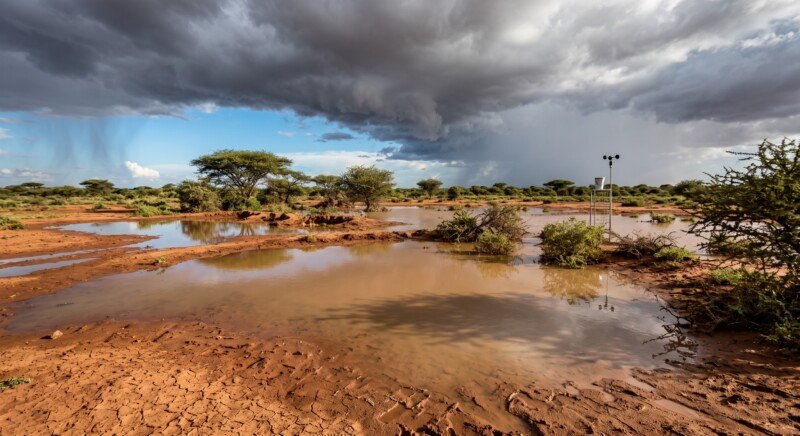
The two engagements are part of a wider government effort to prepare for the October-December Deyr rainy season. Climate experts have warned that a strengthening El Niño could bring unusually heavy rainfall, with SoDMA placing 29 districts across 14 regions on high alert for riverine and flash flooding.
The government approved a National El Niño Preparedness Plan in September 2026, consolidating efforts across federal institutions, Federal Member States and local authorities. The plan strengthens early warning and risk monitoring systems and the protection of people, livestock, agriculture, water and critical infrastructure.
In August 2026, SoDMA and the World Food Programme signed a two-year cooperation agreement focused on risk forecasting, preparedness, early warning systems, anticipatory action and emergency response.
Earlier in September, the Interior Minister chaired a meeting of the High Committee for the National Disaster Risk Management Fund, which reviewed preparedness proposals from the Benadir Regional Administration and SoDMA, including clearing waterways and strengthening early warning systems.
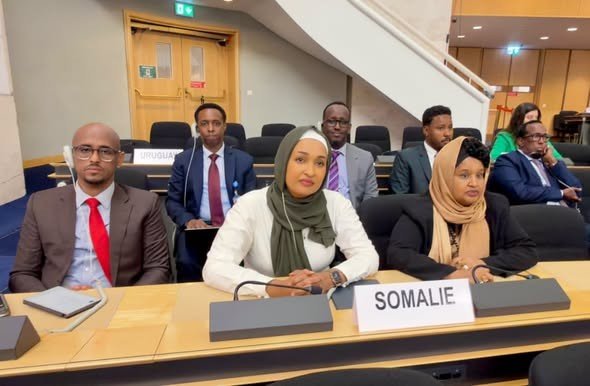
SoDMA has also joined the IGAD High-Level Forum on El Niño Preparedness in Addis Ababa, as part of regional coordination efforts ahead of the anticipated rains.
In a further engagement, SoDMA and UN Humanitarian Coordinator George Conway held talks on drought response and Super El Niño preparedness, focusing on the need for coordinated early action.
Critical Note
The delivery of water pumps to Jubbaland and the coordination with the refugee agency reflect a government that is taking the El Niño threat seriously. These are practical, operational measures that address specific risks: flooding in vulnerable districts and the particular exposure of displaced populations.
However, the scale of the anticipated emergency raises questions about whether these measures are sufficient. The UN Office for Disaster Risk Reduction has projected 3.4 million people at risk in 16 regions, with more than 600,000 potentially affected by severe flooding. Ten water pumps, however useful, will not address a crisis of that magnitude on their own.
The broader challenge remains financing. Humanitarian funding has fallen by almost a third since 2023 to its lowest level in a decade, while operational costs have increased. The 2026 Humanitarian Needs and Response Plan, which sought US$852 million, remained less than one-third funded by mid-September. Early warning systems and preparedness plans are only as effective as the resources behind them. Without sustained investment in pre-positioned supplies, funded anticipatory action and evacuation infrastructure, the government’s preparedness efforts risk being outpaced by the scale of the coming rains.
Recommended Reading On ftlsomalia.com
- SoDMA and WFP Sign Two-Year Deal to Strengthen Somalia’s Disaster Preparedness
- Deputy PM Chairs Ministerial Meeting as Government Approves National El Niño Preparedness Plan
- Interior Minister Chairs Super El Niño Preparedness Meeting in Mogadishu
- SoDMA Chief Joins IGAD High-Level Forum on El Niño Preparedness in Addis Ababa
- SoDMA and UN’s George Conway Hold Talks on Drought Response and Super El Niño Preparedness