MOGADISHU — The Somali Disaster Management Agency (SoDMA) is urging communities in 29 districts across 14 regions to prepare for potential heavy, flood-causing rains linked to Super El Niño, which is expected to affect the country during the Deyr season in October, November and December.
The agency advised communities in vulnerable areas to take early precautions, including clearing drainage channels and preparing for possible displacement. The warning comes as forecasters project a greater than 90 percent probability of El Niño conditions developing and intensifying during the October-December Deyr season.
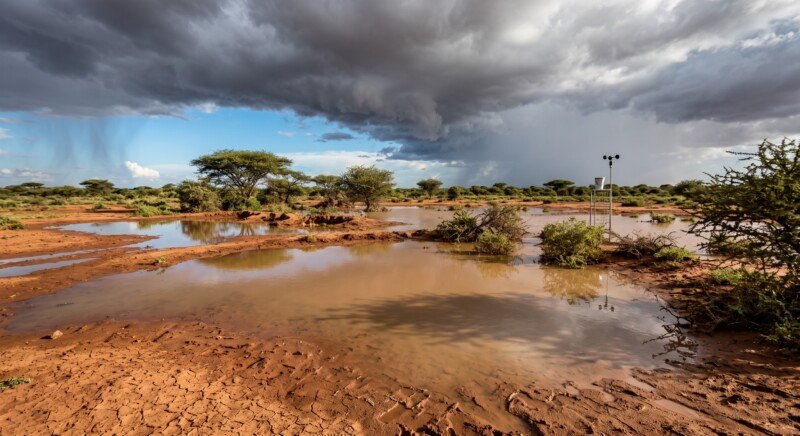
Recent reports indicate that rains have already fallen in parts of Puntland State, offering temporary relief to communities affected by deteriorating water and pasture conditions. However, the wider humanitarian situation remains concerning, with the United Nations warning of a 97 to 100 percent probability of severe flooding across Somalia between October and December.
According to the FAO, the 2026 El Niño could reach similar or higher levels of severity than previous events, triggering heavy rainfall, rising river levels, and a severe risk of flooding, particularly along the Juba and Shabelle river basins.
High-Risk Districts Identified by SoDMA
The districts identified by SoDMA for heightened preparedness span across the country and include: Doolow, Luuq, Baardheere, Bu’aale, Beledweyne, Buuloburde, Jowhar, Mogadishu (Benadir), Hargeisa, Garowe, Bosaso, Qardho, Baydhabo, Gaalkacyo, Kismayo, Afgooye, Buurdhuubo, Jilib, Afmadow, Diinsoor, Qansax Dheere, Jamaame, Ceel Barde, Sablaale, Kurtunwarey, Marka, Baraawe, Dhuusamareeb and Balcad.
These districts are located in riverine areas, coastal zones, and regions with poor drainage infrastructure, making them particularly vulnerable to flooding during periods of heavy rainfall. Many are also home to large populations of internally displaced persons living in low-lying settlements.
Historical Precedents
An El Niño climate impact outlook for Somalia highlights a credible risk of severe flooding in the Jubba and Shabelle river corridors if El Niño strengthens alongside a positive Indian Ocean Dipole. The report identifies these corridors as key areas of concern, home to approximately 8.8 million people.
The forecast bears important similarities to 1997 and 2023, both of which produced severe flooding in Somalia. The 1997 floods caused more than 2,300 deaths in Somalia, while the 2023 Deyr brought widespread displacement, infrastructure damage, crop and livestock losses, and disease outbreaks.
FAO’s Lead Meteorologist Bethwell Mutai noted that while the analogues are not predictions that 2026 will be identical, they demonstrate the scale of impacts that can occur when strong El Niño conditions coincide with enhanced Deyr rainfall. “The 90 percent probability is an exceptionally strong wet signal,” Mutai said. “It does not mean flooding is certain, but it tells us that we must use the lead time available to act before impacts occur.”
Preparedness Gaps and Funding Shortfalls
Somalia’s capacity to absorb another major shock is severely limited. Six million people are already in IPC Phase 3 or worse, with 1.9 million in Emergency conditions. Approximately 3.8 million people are displaced, and government fiscal capacity to respond independently is constrained.
Current pre-positioned financing stands at approximately $17 million against a credible worst-case scenario in the range of the 2023 floods, which cost $176 million in damages and losses alone. Humanitarian funding fell 27 percent year-on-year in January 2026, widening the financing gap.
A critical pending decision is the finalisation of the collective flood Anticipatory Action framework and its trigger protocols. Whether Somalia has a working, multisectoral trigger mechanism in place before Deyr onset in October, rather than the slower single-agency response seen in 2023, is described as the factor most within the country’s control.
Ongoing Preparedness Efforts
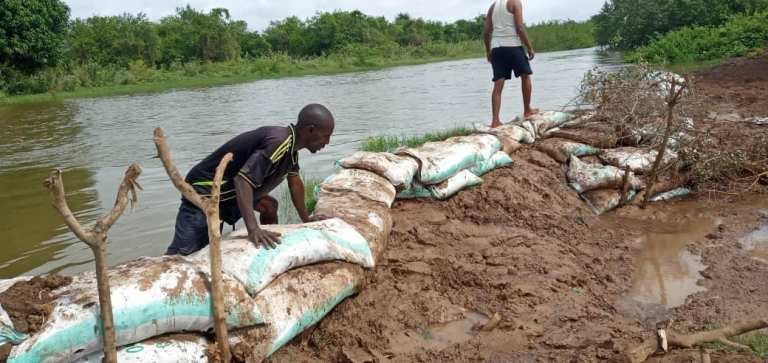
SoDMA has been conducting public awareness campaigns in vulnerable regions, including a visit to Beledweyne in Hiiraan region where Commissioner Mohamud Moallim Abdulle inspected the Shabelle River and flood-prone areas. Officials urged residents to open and clear waterways to facilitate water flow and prevent flooding, and to stay away from areas vulnerable to flooding.
FAO has begun rolling out anticipatory actions, including debris clearance around the Sabuun Barrage, which will benefit about 269,000 people. Nearly 38,000 of the most vulnerable individuals will receive forecast-based anticipatory cash assistance to support their immediate needs and safe relocation.
Critical Note
The SoDMA warning is a necessary and timely step, but the scale of the challenge ahead demands far more than public advisories. Somalia enters this Deyr season with depleted buffers after six years without a full recovery season. The financing available is a fraction of what a major flood event would require, and the anticipatory action framework that would enable a coordinated, multisectoral response is not yet finalised.
Early warnings have repeatedly proven their value in Somalia. The 2023 floods demonstrated that effective early action can mitigate loss of life. Yet the space between warning and action remains the central weakness in Somalia’s disaster response architecture. Without adequate funding and a functioning trigger mechanism, the warning issued this week risks becoming another missed opportunity to act before communities are submerged.
The international community must respond to SoDMA’s appeal for enhanced technical, financial, and logistical support. For a country already hosting millions of displaced people and facing widespread food insecurity, another major flood event could push vulnerable communities beyond their capacity to cope. The time to act is now, before the rains arrive.
Recommended Reading On ftlsomalia.com
- FAO Rolls Out Anticipatory Actions Ahead of Super El Niño Rains
- Over 300 Sites on Shabelle River Identified as Flood-Prone
- Somalia Launches Groundbreaking Strategy to Predict and Respond to Disasters
- Somalia Introduces Climate Early Warning System
- SoDMA and UN’s George Conway Hold Talks on Super El Niño Preparedness
- Somali Air Force to Support Humanitarian Efforts as Super El Niño Threat Looms