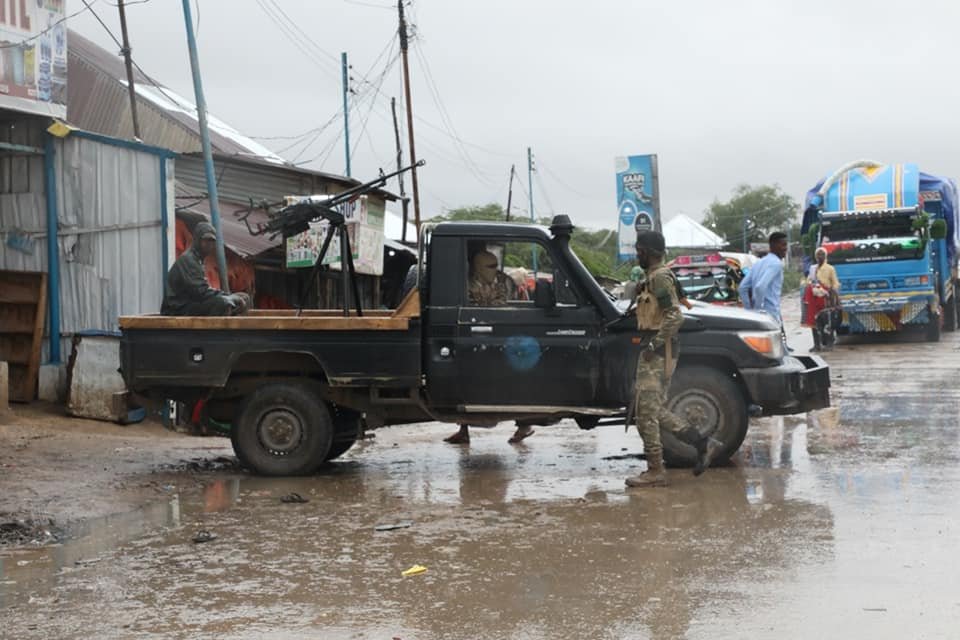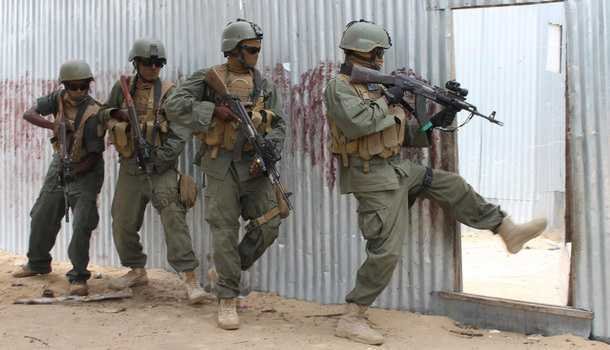
MOGADISHU — Somalia’s National Intelligence and Security Agency (NISA), supported by international partners, conducted a planned operation in Bur Saruur village in the Middle Shabelle region on Thursday, killing 12 Al-Shabaab members.
The operation took place in Bur Saruur, approximately two kilometres southeast of the Cali-Gaduud area, and specifically targeted a location where Al-Shabaab militants were gathered. According to the report, the operation destroyed military equipment and sites that Al-Shabaab had used as cover.
NISA said the operation was carried out as planned, and that its forces were continuing to pursue remnants of the Al-Shabaab fighters to prevent security incidents in the area.
A Pattern of Intelligence-Led Operations
The operation in Bur Saruur is the latest in a series of intelligence-led strikes against Al-Shabaab in Middle Shabelle. In September 2026, NISA killed a senior Al-Shabaab commander and three other militants in a planned operation in the Guulane and Al-Furqaan areas of the region. That operation targeted a group leaving a meeting and included the elimination of a commander responsible for one of the clans in Middle Shabelle.
In August 2026, NISA conducted a precision operation in the Fidow area, targeting a house where Al-Shabaab militants were sheltering. The operation was part of ongoing efforts to dismantle Al-Shabaab networks in the region.
In July 2026, a precision airstrike in Aadan Yabaal killed 11 Al-Shabaab leaders, including the group’s regional commander for Middle Shabelle. The strike was described as a significant blow to the group’s leadership structure in the region.
Earlier in September, NISA arrested 11 suspected Al-Shabaab operatives across multiple districts in and around Mogadishu, including Daarusalaam, Garasbaaley, Kaxda, Dayniile, and Afgooye.
Critical Note
The killing of 12 Al-Shabaab members in Bur Saruur is a significant tactical success, but it reflects the broader pattern of intelligence-led operations that has come to define the counterterrorism campaign in Middle Shabelle. NISA has conducted multiple strikes and raids in the region in recent months, each targeting Al-Shabaab commanders, fighters, and support networks.
The recurring nature of these operations raises a question about the sustainability of the approach. Each operation degrades Al-Shabaab’s capabilities, but the group has demonstrated an ability to regroup and reconstitute its leadership. The killing of a regional commander in July was followed by the appointment of successors and continued operations. The group’s resilience suggests that a purely kinetic approach, however successful in the short term, is insufficient to deliver a lasting reduction in its capacity.
NISA’s operations also depend heavily on intelligence and support from international partners. The agency has acknowledged this support in its statements, but the specifics of the assistance remain undisclosed. Greater transparency about the nature of the partnership and the results of operations would help build public confidence and allow for independent verification of the claims.
The broader context is also relevant. Al-Shabaab remains capable of conducting attacks across central and southern Somalia, and its revenue-generating activities continue despite the pressure. For the counterterrorism campaign to succeed, it needs to be complemented by governance improvements, economic development and a credible political process. Kinetic operations are necessary but not sufficient.
Recommended Reading On ftlsomalia.com
- NISA Kills Al-Shabaab Commander and Three Militants in Middle Shabelle Operation
- NISA Arrests 11 Operatives as Al-Shabaab Networks Targeted in Multi-District Operation
- Precision Airstrike in Aadan Yabaal Kills 11 Al-Shabaab Leaders, Including Regional Commander
- NISA and International Partners Execute Precision Operation in Middle Shabelle