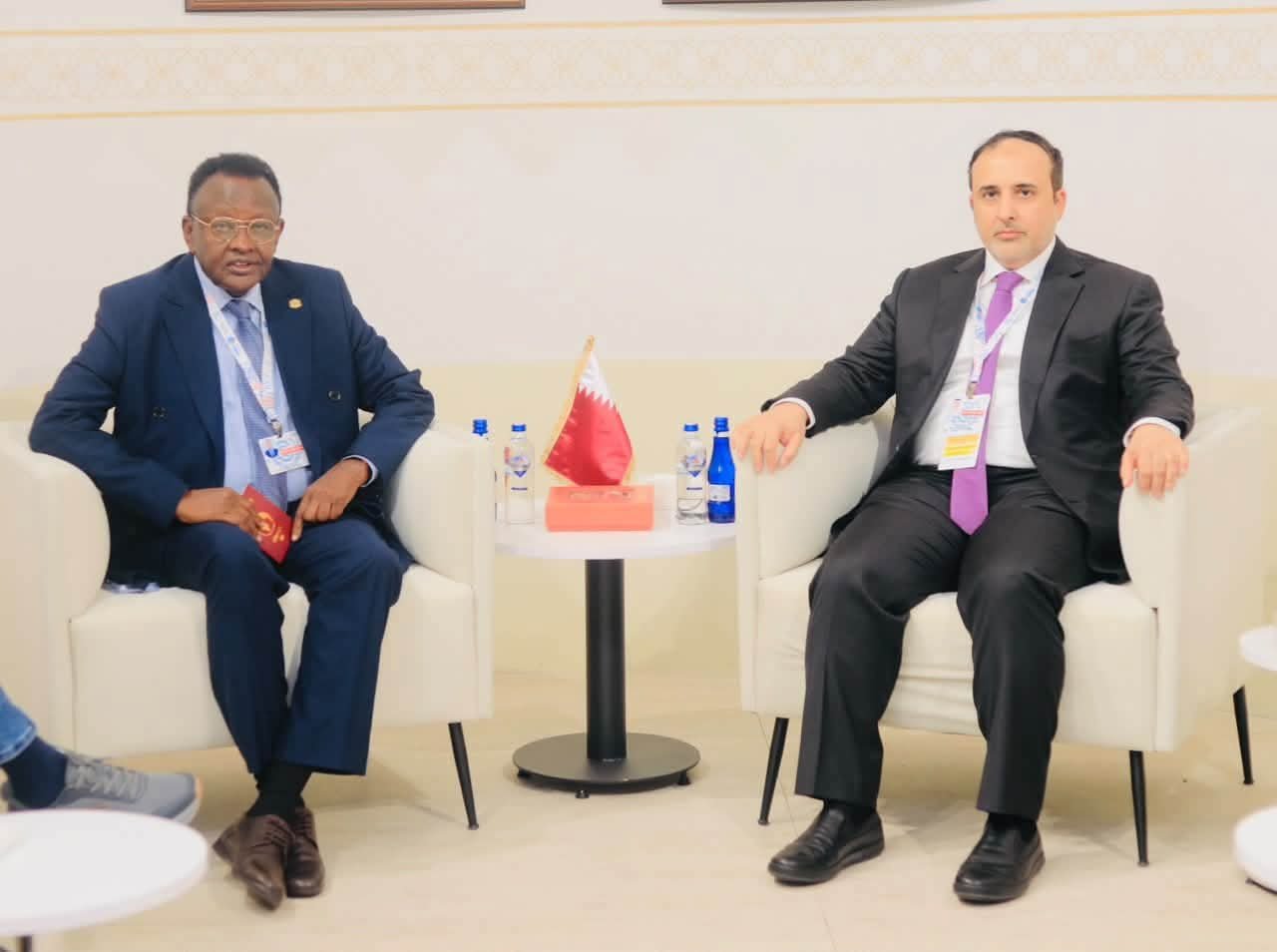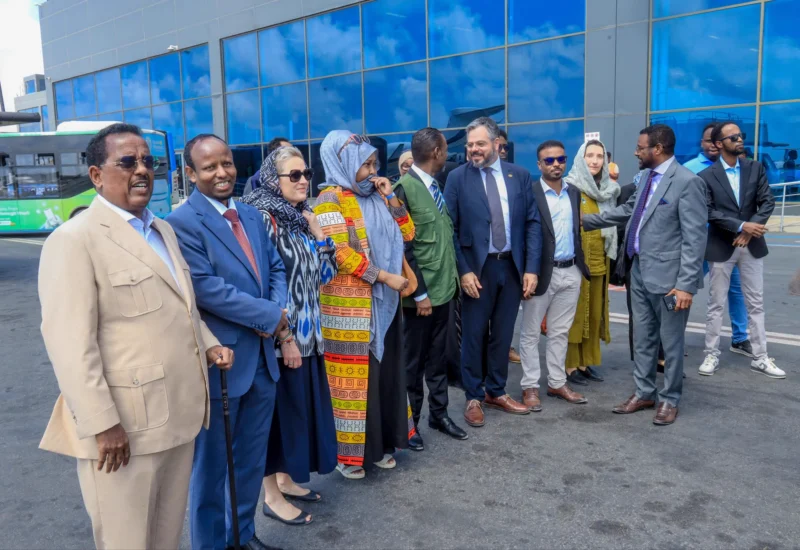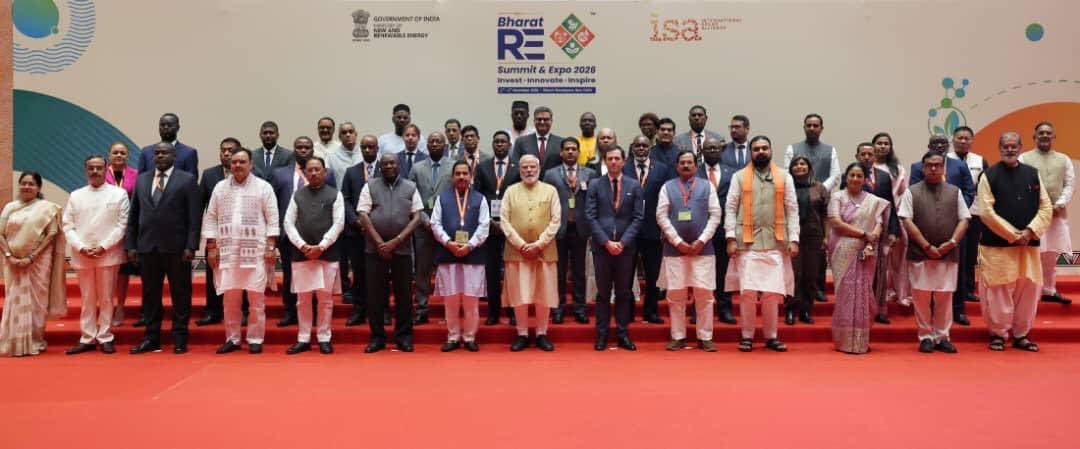
NEW DELHI, The State Minister of Somalia’s Ministry of Energy and Water Resources, Mohamed Abdullahi Farah, accompanied by Somalia’s Ambassador to India, Dr. Abdullahi Mohamed Odowaa, participated in the General Assembly of the International Solar Alliance (ISA) in New Delhi, India. The international summit brought together heads of state, ministers, and delegations representing more than 130 countries to expand cross-border cooperation on renewable power and accelerate solar infrastructure deployment.
Global Solar Cooperation and African Financing
Inaugurated by Indian Prime Minister Narendra Modi, the assembly focused on mobilizing capital for developing countries and removing technical barriers to decentralized power generation. A major focal point of the proceedings was the highlighting of the 200 million dollar African Solar Facility, a financing mechanism designed to de-risk commercial solar investments and expand access to clean energy solutions across Africa.
Somalia’s diplomatic engagement at the global assembly follows wider institutional efforts to secure international backing and direct private capital into local energy generation. Last month, European and regional private investors gathered as the EU–Somalia Business Forum focused on clean energy investment, evaluating opportunities in off-grid solar, mini-grids, and decentralized networks.
The push for external financing also aligns with broader national benchmarks, where authorities have declared that Somalia targets 80 percent electricity coverage under its National Transformation Plan. Meanwhile, multilateral mechanisms have previously funded targeted regional transitions, including an initiative where Bosaso secured 23 million dollars for clean energy to replace expensive thermal generation with solar arrays and battery storage.
FTL Critical Note
Somalia’s presence at high-profile international forums highlights an ongoing ambition to attract green climate finance, yet significant structural deficits at home continue to stifle implementation. The country currently pays among the highest commercial retail electricity tariffs in the world, largely driven by an unregulated private generator cartel that operates on fragmented, localized diesel grids with minimal public oversight.
While multilateral platforms like the African Solar Facility offer nominal capital availability, accessing and absorbing such funds requires robust regulatory standards, transparent procurement rules, and a coherent national grid strategy. Without an enforceable legislative framework to govern independent power producers, protect private investments, and coordinate grid integration across federal member states, international summit participation risks yielding diplomatic visibility without delivering affordable, uninterrupted electricity to Somali households and enterprises.
Recommended Reading On ftlsomalia.com
- EU–Somalia Business Forum to Focus on Clean Energy Investment in Mogadishu
- Somalia Targets 80% Electricity Coverage Under National Transformation Plan
- Bosaso to Benefit from $23 Million African Development Fund Clean Energy Grant
- Somalia Sets Ambitious Course Toward Solar-Powered Future
- Somali Innovators Shine Spotlight on Clean Energy at Landmark Conference
- Planning Ministry, EU and German Partners Review Progress of GEED Green Energy Programme