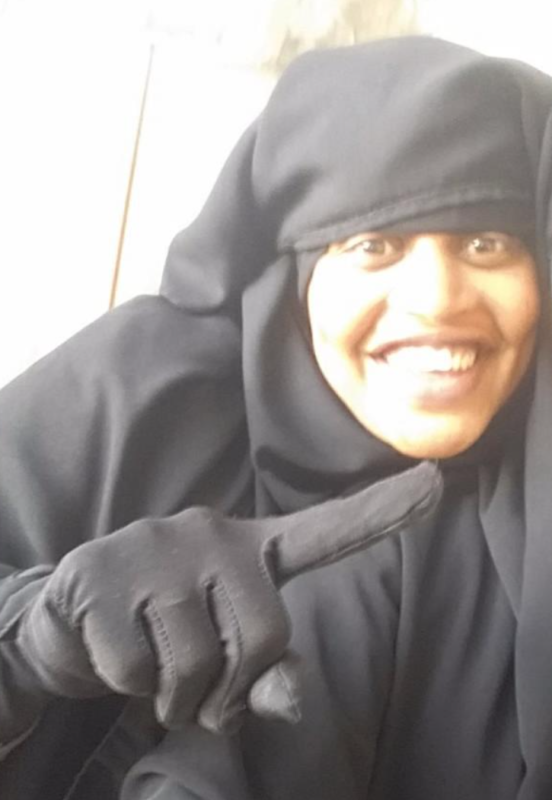
WASHINGTON — The U.S. Department of State’s Rewards for Justice program is offering a reward of up to $5 million for information on Khadra Essa, identified as the chief sharia instructor of an all-female ISIS battalion known as Nusaybah Katibah (ISIS-NK).
Essa, also known as Umm Qaqa al-Somali, is a Somalia-born Dutch citizen who traveled to Syria in 2014 to join ISIS. According to the State Department, she was formally trained by ISIS-NK in the use of weapons, explosives, and suicide operations. Essa has regularly advocated the use of violence and encouraged other ISIS members to conduct attacks in multiple countries. She has also taught ISIS extremist ideology that justified suicide operations and the killing of civilians, and has recruited new members for the group.
ISIS-NK is an all-female combat battalion formed in Raqqah, Syria, in 2016 to recruit, organize, and train female fighters in various combat and military skills. At its height, the group had several hundred trained members, including U.S. and European citizens who, according to the State Department, pose a particular threat to the West because of their ability to more easily enter Western countries and integrate with their populations. While the group has diminished in size following the territorial defeat of ISIS, it continues to be active and pose a danger.
In her role with ISIS-NK, Essa led a group that violently enforced sharia law against women. The State Department says she issued orders that resulted in physical punishments, including assaults and even murder.
Essa is also accused of having had in her custody several kidnapped or abducted children. In 2019, she reportedly held U.S. siblings Yusuf and Zahra Shikder and took them to an undisclosed location in Syria after their mother died during a military strike against ISIS forces. The children’s mother had kidnapped and transported them to Syria in 2015 to join ISIS without their father’s consent.
The Rewards for Justice program has separately offered a reward of up to $5 million for information leading to the recovery and return of the two American children.
Somalia and Regional Security Context
Essa’s Somali origin links her case to the broader security dynamics of the Horn of Africa. Somalia continues to face threats from Al-Shabaab and an ISIS affiliate based in the mountainous terrain of the Bari region in Puntland.
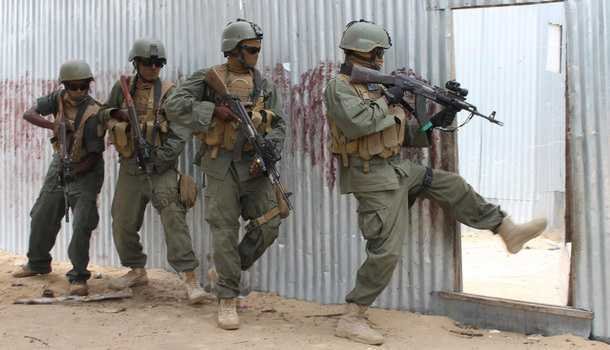
U.S. Africa Command has intensified airstrikes against ISIS targets in Somalia, with the majority of strikes in recent years targeting the group’s positions in the Al-Miskad mountains. AFRICOM Commander General Dagvin Anderson has reaffirmed the United States’ commitment to working with African partners to eliminate the threat posed by ISIS and Al-Shabaab, while reiterating that Puntland and Somaliland are part of the Federal Republic of Somalia.
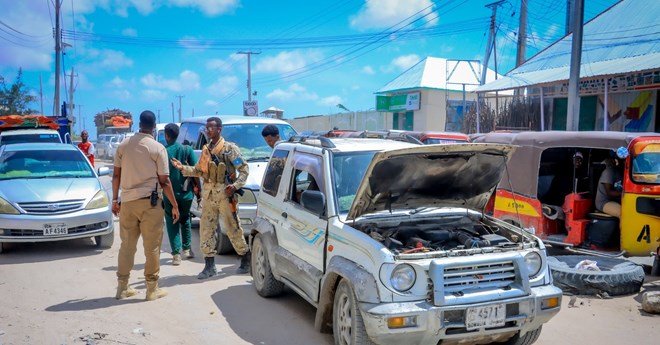
Puntland’s counterterrorism forces have previously captured ISIS’s largest hideout in the region, significantly degrading the group’s operational capacity in Somalia. Somalia’s National Intelligence and Security Agency (NISA) has also continued operations against networks linked to both Al-Shabaab and ISIS, including a recent operation in Mogadishu and surrounding districts that led to the arrest of 11 suspected operatives allegedly planning attacks.
The Somali government has also moved to cut off terrorist financing. Internal Security Minister Abdullahi Sheikh Ismail (Fartaag) has said NISA has shut down more than 12,000 online accounts and hundreds of bank and mobile money accounts linked to Al-Shabaab.
Critical Note
The U.S. decision to renew a reward for information on Khadra Essa reflects continued concern about ISIS’s foreign fighter networks, particularly individuals with Western citizenship who can more easily travel across borders. Her Somali origin and Dutch nationality make her a case that intersects with both European counterterrorism efforts and the broader security landscape of the Horn of Africa.
The case also highlights gaps in international counterterrorism coordination. Essa reportedly left the Netherlands for Syria in 2014, and her current whereabouts remain unclear. The U.S. has not disclosed where it believes she may be located, which suggests the reward is primarily an intelligence-gathering tool rather than an imminent arrest operation. The Dutch government has not publicly commented on the reward or the case.
For Somalia, the case is relevant but distinct from its own security challenges. The ISIS affiliate in Somalia operates primarily in the Puntland mountains and is organizationally separate from the ISIS-NK network in Syria. However, the transnational movement of foreign fighters and the networks that support them remain a risk that Somali security agencies monitor. The recent operations by NISA in Mogadishu and central Somalia demonstrate that militant networks linked to Al-Shabaab and ISIS retain the capacity to plan attacks, even as the government intensifies efforts to disrupt their financing and logistics.