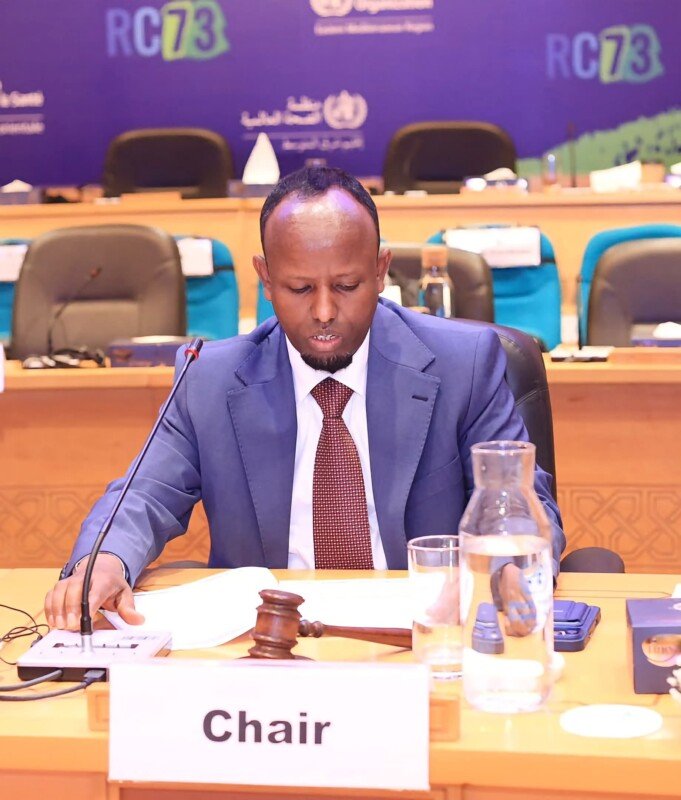
MOGADISHU — Somalia’s Minister of Health and Human Services, Dr. Ali Haji Adan Abubakar, chaired key sessions at the 73rd Regional Committee meeting of the World Health Organization’s Eastern Mediterranean Region (EMRO), held in Cairo, Egypt.
The ministerial sessions, which bring together representatives from 22 member states of the WHO Eastern Mediterranean Region, focus on public health priorities, challenges facing health systems, and the development of strategies to improve health services across the region.
Somalia’s chairing of the sessions reflects its active participation in regional health policy-making and decision-making processes. The meeting also provides a platform for member states to discuss policies and decisions aimed at strengthening health cooperation and addressing the needs of millions of people across the region.
Somalia’s Regional Health Engagement
Somalia’s participation in the Cairo meeting is part of broader efforts to strengthen international health cooperation. The country has engaged with WHO and regional partners on various health initiatives, including polio eradication, immunization campaigns, and emergency preparedness.
In October 2024, Dr. Ali Haji Adan officially opened the 71st session of the WHO Regional Committee for the Eastern Mediterranean in Doha, emphasizing Somalia’s commitment to strengthening health systems and fostering collaboration with regional partners. In October 2023, he was elected Chairperson of the 70th Session of the WHO Eastern Mediterranean Regional Committee.
Somalia also serves as one of the 34 nations on the WHO Executive Board, a position that allows the country to influence global health policy and decision-making processes.
The ministerial sessions addressed priorities including health system strengthening, emergency preparedness, and universal health coverage. The meeting also discussed the regional response to the ongoing Ebola outbreak in the Democratic Republic of Congo and the risk of cross-border transmission.
Ebola Preparedness and Health Emergencies
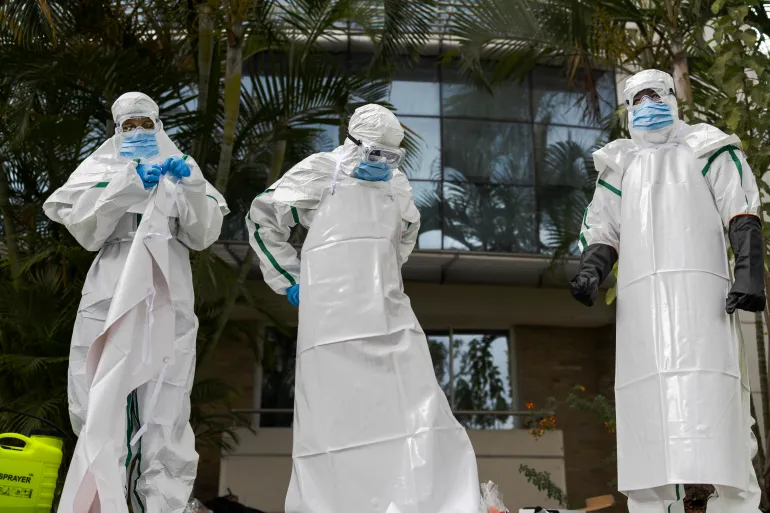
Somalia has been actively engaged in Ebola preparedness efforts. As reported in FTL Somalia’s coverage of the quarantine measures, the Ministry of Health quarantined ten Somali citizens who returned from the Democratic Republic of Congo through Uganda at the Ebola treatment and quarantine centre in Mogadishu.
The Cabinet approved a six-ministry Ebola preparedness committee on 8 October, chaired by Second Deputy Prime Minister Jibril Haji Abdi, as detailed in FTL Somalia’s coverage of the Cabinet meeting.
Earlier in the outbreak, the federal government implemented emergency measures including enhanced screening at airports, seaports and land borders, and a binding operational timeline for localized response frameworks, as reported in FTL Somalia’s coverage of the emergency measures. A high-level coordination meeting at the National Public Health Emergency Operations Center brought together the Ministries of Internal Security, Foreign Affairs, Health, Civil Aviation, and Information, as detailed in FTL Somalia’s coverage of the coordination meeting.
Health Challenges and Cooperation
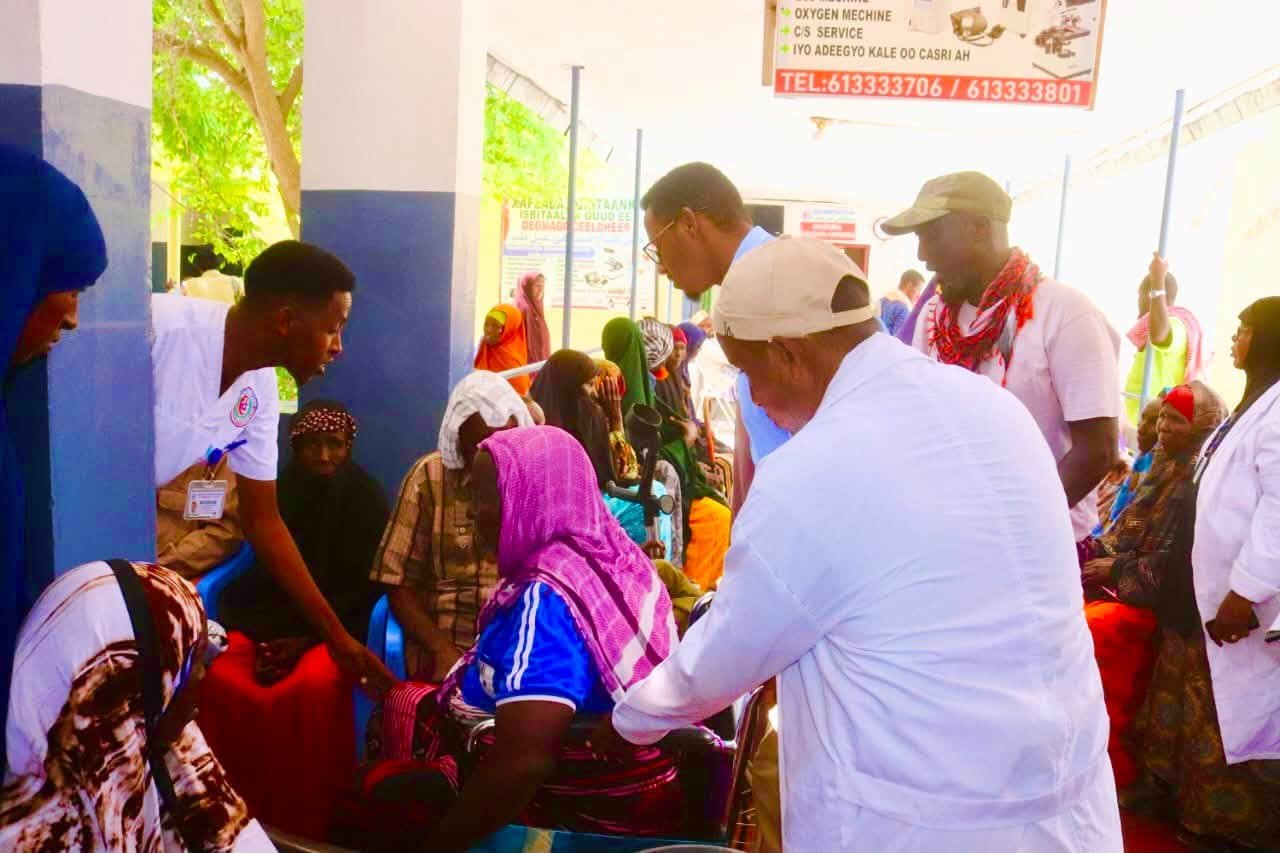
Somalia’s health system continues to face significant challenges, including limited infrastructure, weak regulatory capacity, and the ongoing threat of disease outbreaks. The country has relied heavily on international partners, including WHO, UNICEF, and other UN agencies, to support health service delivery and emergency response.
Somalia has also made progress in polio eradication efforts. In August 2026, the country piloted a data-driven polio vaccination campaign in Banaadir region, reaching 122,067 children under five, as reported in FTL Somalia’s coverage of the vaccination campaign.
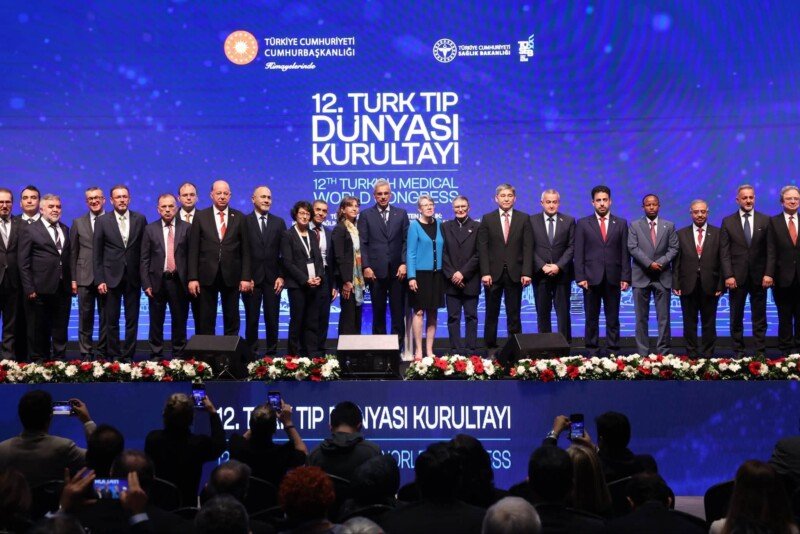
The 73rd Regional Committee meeting is part of the regular sessions through which WHO Eastern Mediterranean Region member states set regional health priorities and coordinate responses to shared challenges. Decisions emerging from the meeting are important for aligning health efforts and cooperation among member states.
Critical Note
Somalia’s chairing of key sessions at the WHO Eastern Mediterranean Regional Committee meeting is a positive signal of the country’s engagement with regional health governance. It reflects the Ministry of Health’s efforts to participate in international health policy discussions and to position Somalia as an active partner in regional health cooperation.
However, participation in regional forums should not be mistaken for progress in addressing Somalia’s domestic health challenges. The country’s health system remains fragile, with limited capacity to detect and respond to outbreaks, inadequate infrastructure, and a severe shortage of trained health workers. The recent Ebola scare, which prompted the quarantine of Somali citizens returning from the DRC, exposed these vulnerabilities.
The gap between Somalia’s engagement at international forums and its domestic health capacity is significant. Chairing sessions in Cairo does not translate into stronger border screening at Mogadishu airport, functioning isolation facilities, or a viral hemorrhagic fever laboratory referral network. Those are the investments that will determine whether Somalia can protect its population from the threats discussed at the WHO meeting.
For Somalia’s participation in regional health governance to be meaningful, it must be accompanied by sustained domestic investment in health infrastructure and human resources. International cooperation is essential, but it cannot substitute for national capacity. The Cairo meeting is a platform; the real work happens at home.
Recommended Reading On ftlsomalia.com
- Somalia Quarantines 10 Citizens Who Returned from DR Congo Over Ebola Fears
- Somali Cabinet Approves Ebola Preparedness Committee, Reviews EAC Benefits and WTO Progress
- Somalia Implements Emergency Measures Amid Regional Ebola Threat
- Somalia Holds Ebola Preparedness Coordination Meeting
- Somalia Pilots Data-Driven Polio Vaccination Campaign, Reaches 122,000 Children in Banaadir
- Somali Health Minister Officially Opens WHO Regional Committee Meeting in Doha