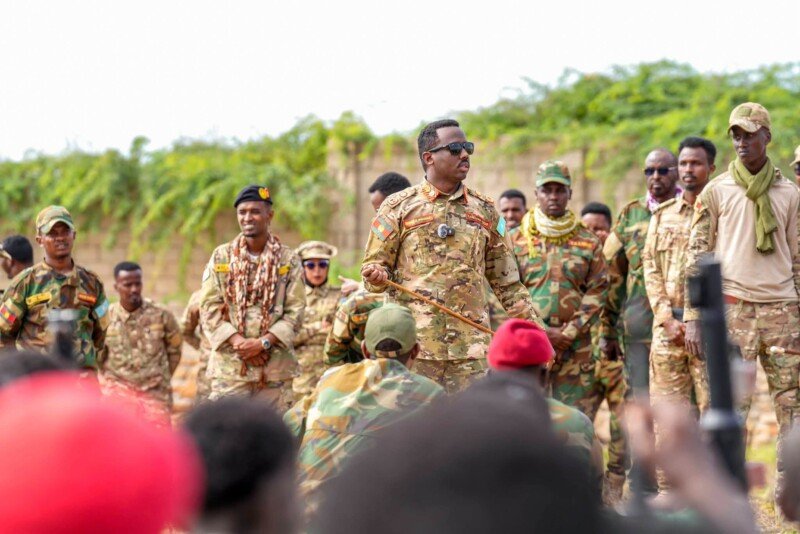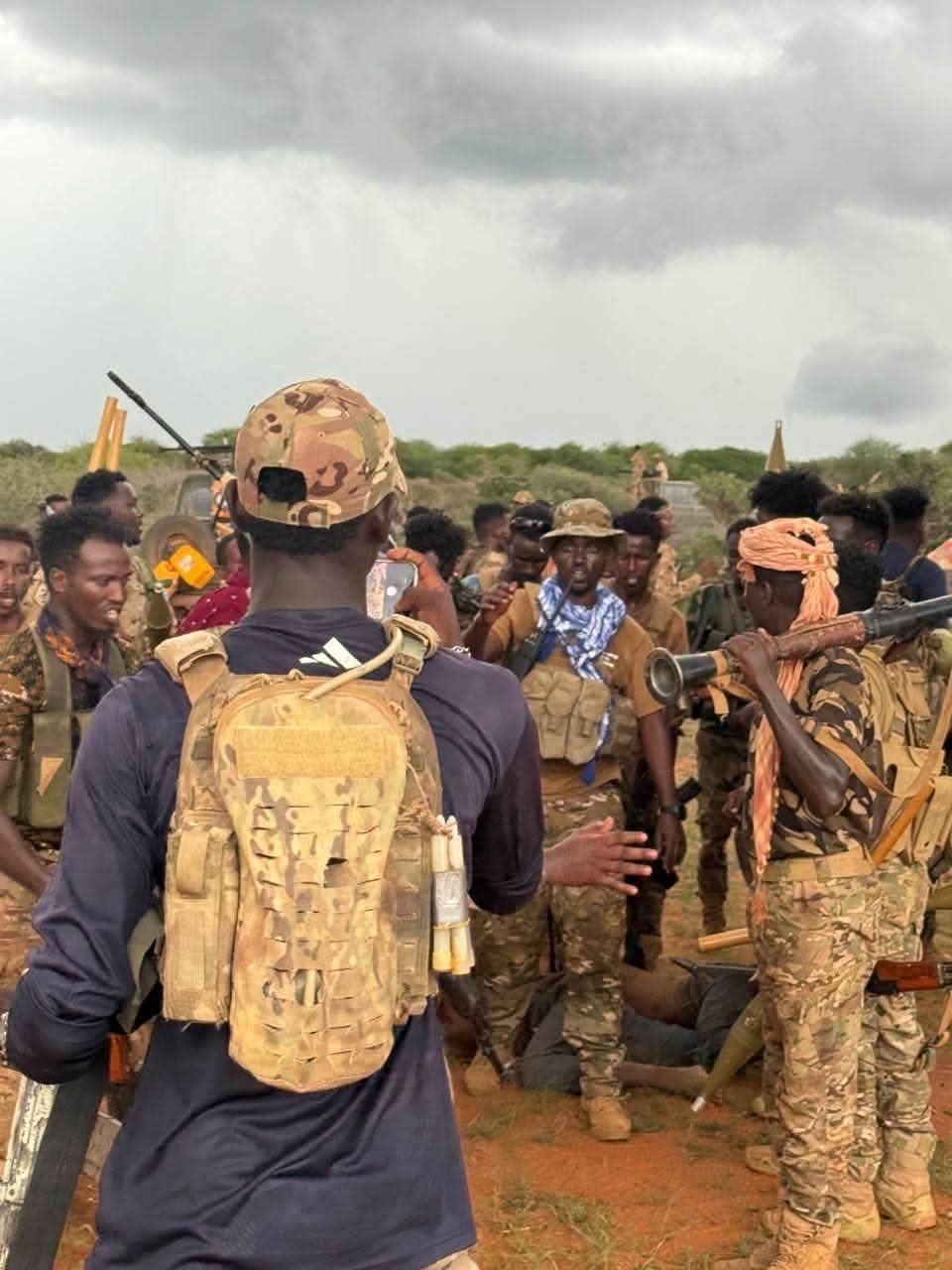
MOGADISHU, The Somali National Army launched “Operation Banooda” on Saturday, a new offensive aimed at eradicating Al-Shabaab militants in the territories of the South West State, with the elite Danab Commandos killing seven fighters in an opening clash on the outskirts of Leego in the Bay region.
According to a statement from the Ministry of Defence, the operation targeted militants who attempted to obstruct the advancing forces. Seven Al-Shabaab members were confirmed killed, while several others sustained injuries. The troops also seized various types of weapons that had been in the possession of the militants.
The army is continuing operations to pursue fighters who fled the scene of the engagement. The Ministry of Defence commended the Danab Commandos for what it described as a “stern lesson” delivered to the Khawarij (Al-Shabaab), stating that the operation had commenced with a significant victory.
The Danab Factor
The Danab Brigade, an elite unit trained and equipped with U.S. support, has been at the forefront of Somali counterterrorism operations for years. The unit has conducted numerous raids and clearances against Al-Shabaab and ISIS-affiliated fighters, and AFRICOM commanders have described it as one of the most capable forces on the continent.
In July 2026, the Danab Commandos conducted a similar operation in the Sablaale district of Lower Shabelle, killing seven militants including a senior commander and destroying two training facilities, as reported in FTL Somalia’s coverage of the Sablaale operation. The unit has also targeted Al-Shabaab’s IED networks in the Harboole area of Lower Juba, dismantling cells responsible for planting explosives along civilian roads, as detailed in FTL Somalia’s coverage of the Harboole operation.
The Bay region has been a persistent front in the campaign against Al-Shabaab, with the militants maintaining a presence in rural areas and conducting periodic attacks on towns and military positions. Leego, located approximately 100 kilometers southwest of Mogadishu, has seen repeated clashes over the years.
A Pattern of Sustained Operations
Operation Banooda is the latest in a series of offensive operations announced by the federal government and its regional partners. The South West State has been a focal point of both military action and political tension, with the administration of President Abdiaziz Hassan Mohamed (Laftagareen) asserting that it is fully committed to supporting the national army’s efforts against Al-Shabaab, as reported in FTL Somalia’s coverage of the state’s position.
The offensive comes amid a broader escalation of military activity across the country. In early October, Somali forces, local fighters, and the Xarardheere district administration conducted a planned operation against Al-Shabaab in two villages under the Caad area, securing the locations after targeting militant hideouts, as reported in FTL Somalia’s coverage of the Xarardheere operation.
In Hiiraan, the Somali National Army launched a series of operations against Al-Shabaab in areas under Maxaas district, targeting militant positions and movements in rural areas to weaken the group’s operational capacity, as detailed in FTL Somalia’s coverage of the Maxaas operations. The operations followed the group’s capture of the strategic town in July 2025, a loss that exposed the federal government’s failure to support local Hawadle fighters who had borne the brunt of the fighting.
The Danab Commandos have also conducted operations along the Jubba River in Jubaland, targeting Al-Shabaab positions, hideouts, and defensive fortifications in a coordinated air and ground assault that inflicted significant losses on the militant group, as reported in FTL Somalia’s coverage of the Jubba River operation.
The Broader Counterinsurgency Context
The operation also unfolds against the backdrop of the ongoing AUSSOM transition, with the international mandate for the African Union mission set to expire at the end of 2026. The Somali government has been pressing its forces to take a greater lead in combat operations as international partners draw down their presence, as detailed in FTL Somalia’s coverage of the security transition.
International support for these operations continues. U.S. Africa Command has conducted multiple airstrikes against Al-Shabaab targets in coordination with the Federal Government of Somalia, including strikes near Hargeisa Yare and the Dhobley airport in October 2026. Somali National Security Advisor Aweys Haji Yusuf Ahmed told the Global Security Forum in Doha that the country has liberated more than 55 percent of territory previously controlled by militant groups, freeing at least 1.5 million people.
Critical Note
The launch of Operation Banooda and the reported killing of seven militants is a tactical victory, and the Ministry of Defence is right to commend the Danab Commandos for their professionalism and effectiveness. The unit has consistently demonstrated its capability, and its role in this operation is a reminder of how central it has become to Somalia’s counterterrorism strategy.
But tactical victories do not, by themselves, win insurgencies. Al-Shabaab has been pushed out of towns and districts before, only to regroup in rural areas and return when the army’s attention shifts elsewhere. The group’s capacity to conduct attacks in Mogadishu, and its ability to exploit political divisions between the federal government and regional states, remain significant. The political confrontation over the South West State, which has involved armed clashes between federal forces and Laftagareen-aligned militias, has complicated the counterterrorism effort and diverted resources from the fight against Al-Shabaab.
The pattern of operations across the country, from Bay to Hiiraan to Jubaland, demonstrates that the SNA and its elite units are capable of conducting simultaneous and sustained offensives. But the government’s own claim that 55 percent of Al-Shabaab territory has been liberated is a measure of geographic control, not of durable security. The group’s ability to adapt, regroup, and exploit local grievances remains the central challenge. Operation Banooda will be measured not by the number of militants killed in its opening engagement, but by whether it can translate tactical gains into a durable security presence in the areas it clears. That requires not only military force but political stability, local governance, and the kind of intelligence cooperation that has often been undermined by the very political disputes the government is struggling to resolve.
Recommended Reading On ftlsomalia.com
- Planned Operation in Sablaale: Danab Commandos Strike Al-Shabaab, Dismantle Training Camps
- SNA Danab Commandos Target Al-Shabaab IED Network in Harboole Area
- Somali Forces Secure Villages After Anti-Al-Shabaab Operation in Xarardheere
- Somali Army Launches Operations Against Al-Shabaab in Hiiraan’s Maxaas District
- SNA’s Danab Commandos Destroy Al-Shabaab Positions Along Jubba River in Major Security Operation