MOGADISHU — Authorities in Jasiira district have imposed new regulations on tourism companies operating in the coastal area, requiring them to register with the administration and maintain records of visitors they transport to tourist sites, as the number of domestic and international visitors continues to rise.
The district administration said the measures are intended to improve security and ensure tourism activities comply with Islamic principles and Somali cultural norms. Tourism companies will be required to register with the administration and provide information on visitors travelling to Jasiira through their services.
Authorities said the system would help identify companies responsible for organised trips and provide information that could be used if security incidents or other violations occur.
Growing Visitor Numbers
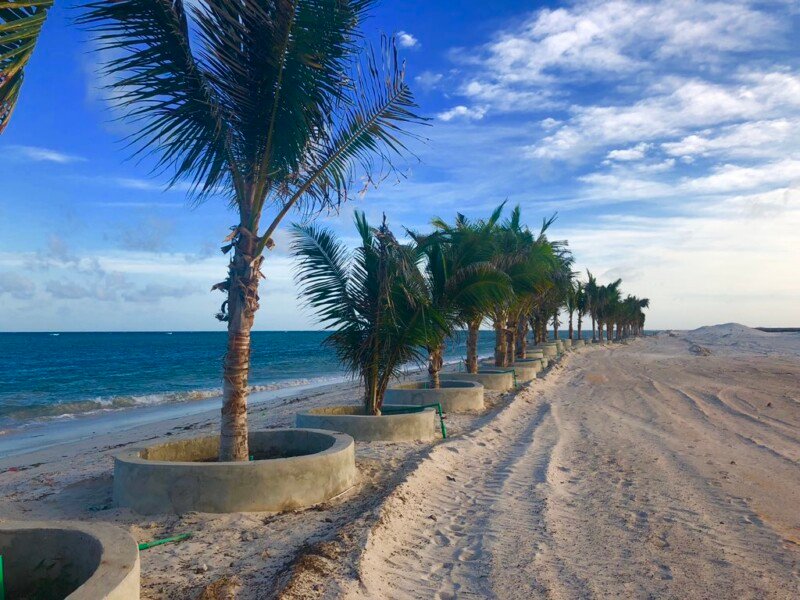
Jasiira Beach, located along the Indian Ocean coastline near Mogadishu, has seen a steady increase in visitors in recent years. The beach, known locally as Xeebta Jasiira, is a popular leisure destination where families gather on weekends as part of Somali seagoing culture. The area features hotels, restaurants, and leisure boats, and offers access to a small island that tourists can reach by renting a boat.
The rise in visitor numbers has been notable. According to government figures, more than 67,000 foreign tourists visited Somalia in a recent period, and ten tourism companies have been formally registered with the government. The Federal Government has introduced a National Tourism Policy aimed at welcoming international tourists by 2030 and positioning Somalia as a recognized destination in Africa, as reported in FTL Somalia’s coverage of the tourism development initiative.
International visitors to Jasiira come primarily from Turkey, America, the UK, Italy, Germany, and Malaysia.
New Requirements for Operators
The district governor said tourism operators would be expected to comply with the new requirements and would be held accountable for violations of local rules. Authorities warned companies against allowing activities considered contrary to Islamic law and local regulations, including what they described as immoral conduct and the use or trafficking of narcotics.
Action will be taken against companies or individuals found breaching the regulations, with the administration saying the measures are aimed at maintaining security and protecting local cultural norms at Jasiira’s tourist sites.
Critical Note
The Jasiira administration’s decision to tighten oversight of tourism operators reflects both the opportunity and the challenge facing Somalia’s nascent tourism sector. The increase in visitor numbers is a welcome indicator of improved security and growing interest in the country’s coastline. But the regulations also highlight the absence of a comprehensive national framework governing tourism, leaving district authorities to fill the gap with local measures.
The registration requirement for visitors raises practical questions about implementation and enforcement. Jasiira is not an isolated destination, and tourists may arrive through multiple channels, including independently arranged trips. Whether the administration has the capacity to monitor compliance across all operators is unclear.
The focus on cultural and religious compliance is consistent with the government’s stated approach, but it also risks creating uncertainty for tour operators about what is permissible. A clearer regulatory framework at the federal level would provide more predictability for businesses and visitors alike. For now, the Jasiira regulations represent a local response to a national opportunity.
Recommended Reading On ftlsomalia.com
- Tourism Minister Convenes with Industry Leaders to Develop Somalia’s Tourism
- Normalcy Returns to Mogadishu’s Lido Beach a Week After Deadly Terrorist Attack
- Prime Minister Roble Visits Mogadishu’s Lido Beach
- Barre Inspects Security at Mogadishu’s Lido Beach
- Somali Coast Guard Prevent over 50 People from Drowning at Mogadishu’s Lido Beach
- Beach Cleaning Exercise Underway in Mogadishu