MOGADISHU — The National Independent Electoral and Boundaries Commission (NIEBC) has excluded the Towfiiq party from the list of parties contesting Galmudug’s election rerun, scheduled for September 30, 2026, despite the party having filed the legal challenge that prompted the Supreme Court to annul the previous election results.
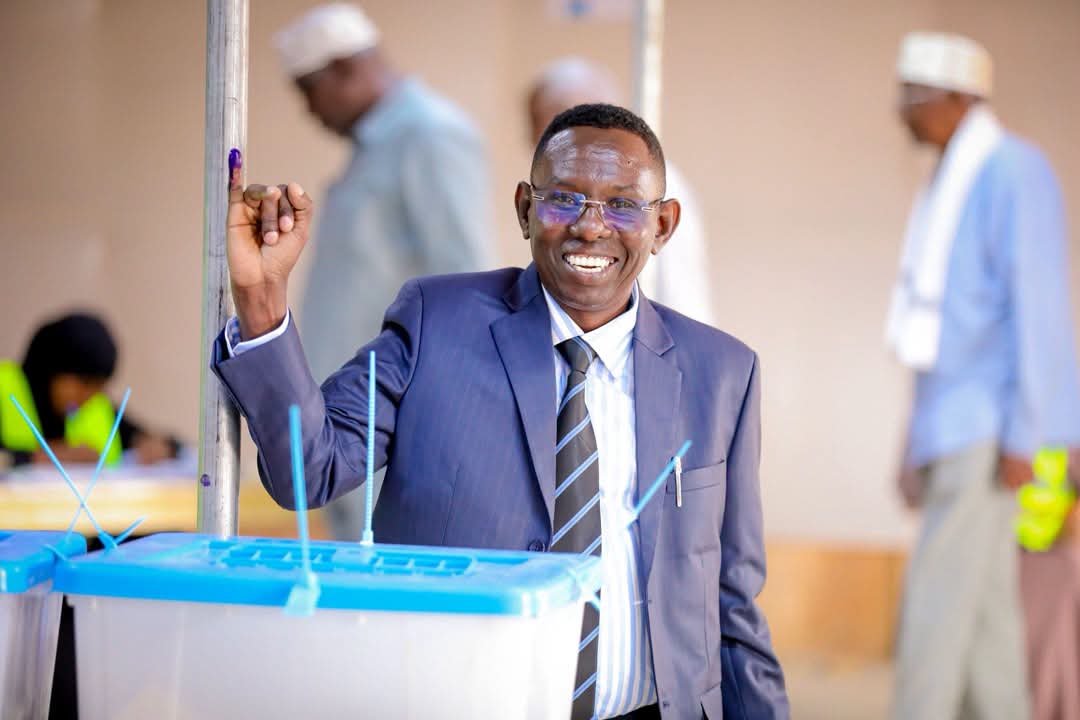
The commission released the list of participating parties on Sunday, and Towfiiq’s name was absent. The party had participated in the annulled July 30 election, where it secured the second-largest number of votes and filed the petition that led the Supreme Court to invalidate the results on August 24.
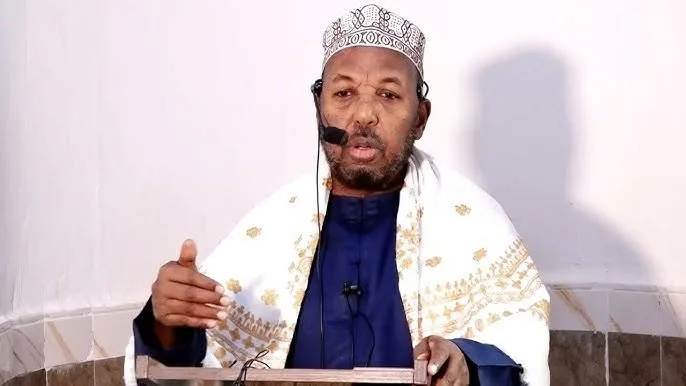
According to officials, the commission did not explain whether Towfiiq had failed to submit its candidates or had been excluded for failing to meet other requirements. Towfiiq Chairman Sheikh Mohamed Shakir Ali Hassan has accused the commission of manipulating the vote count and failing to reflect the will of voters, stating that party representatives documented 53,054 votes in the parliamentary election, representing 52.81 percent of the total, while the commission declared the party received only about 26,000 votes.
Background of the Election Dispute
The Supreme Court annulled the Galmudug election results on August 24, 2026, with Chief Justice Bashe Yusuf Ahmed stating that the administration and conduct of the elections had deviated from constitutional principles requiring free, fair and impartial elections. The court found that the irregularities were not minor but had seriously undermined the transparency, freedom and fairness of the elections.
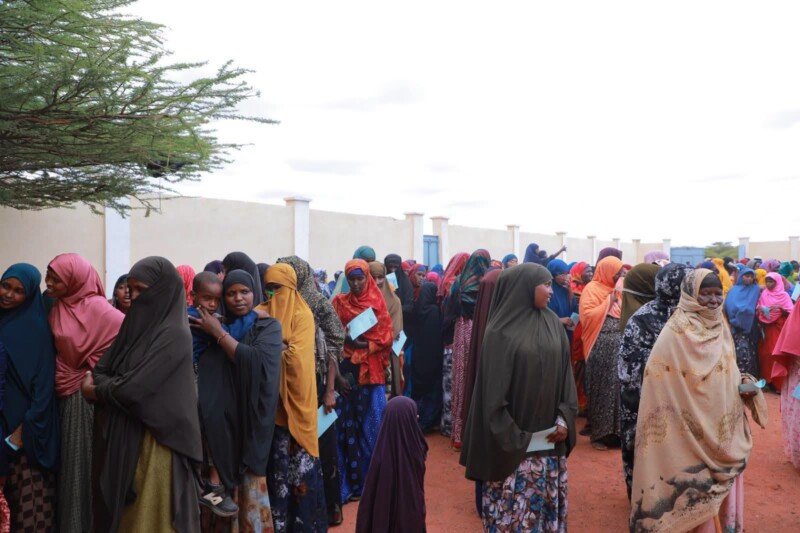
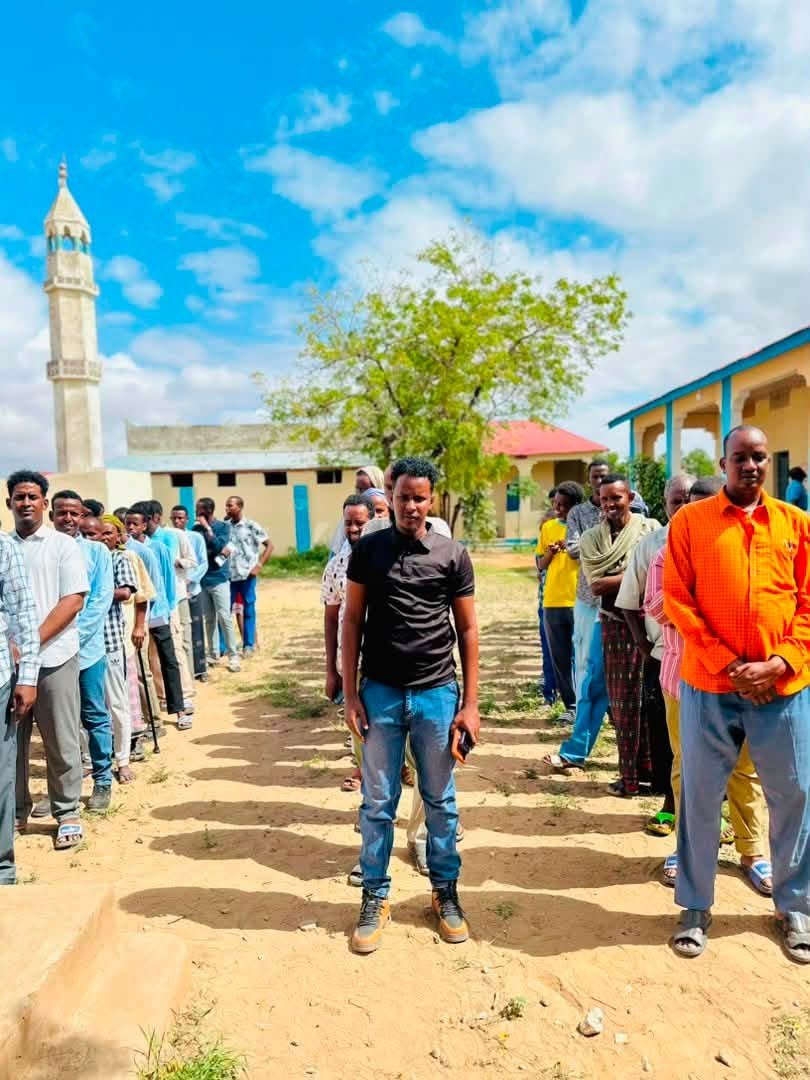
The ruling followed legal challenges filed by Towfiiq and other political organizations alleging that the Galmudug elections were not conducted in line with electoral laws and procedures. Sheikh Shakir had alleged irregularities, violence, and the exclusion of party representatives from polling stations, claiming that party representatives were barred from certain polling stations and that voters were subjected to intimidation and violence.
The NIEBC formally accepted the Supreme Court’s ruling and announced it would reschedule the elections. The commission had previously declared the Justice and Solidarity Party (JSP), led by President Hassan Sheikh Mohamud, the winner of the elections, with JSP securing 63 of the 189 local council seats contested across Galmudug.
Political Context and Federal Interference Concerns
The electoral process was overshadowed by a deep political rift between President Hassan Sheikh Mohamud and NISA Director Mahad Mohamed Salad over who should lead Galmudug. Galmudug President Ahmed Abdi Kariye (Qoor-Qoor) withdrew from the presidential race following talks with federal officials, clearing the way for the federal government’s preferred candidate. President Mohamud designated Liban Ahmed Hassan as the sole candidate for the ruling JSP, bypassing internal party competition and raising concerns about the independence of the electoral process.
The developments in Galmudug come against the backdrop of the recent political transition in South West State, where the election in Baidoa was criticized as less a competitive democratic exercise and more a carefully managed political operation designed to deliver victory to a candidate backed by Villa Somalia.
Parallel Tensions in Hirshabelle
The Galmudug dispute is unfolding alongside a parallel electoral crisis in Hirshabelle, where President Hassan Sheikh Mohamud has backed the JSP ticket for incumbent Hirshabelle President Ali Gudlawe Hussein despite objections from within the Hawadle clan. The decision sparked protests and counter-protests in Beledweyne, with Hirshabelle Vice President Yusuf Ahmed Hagar (Dabageed) publicly accusing President Mohamud of reneging on a political agreement.
In both states, the same pattern is emerging: the JSP, led by the federal president, is positioned to dominate regional elections, while rival parties and candidates are either sidelined or excluded. The convergence of these two electoral processes has raised questions about whether the federal government is seeking to install allied administrations across Somalia’s federal member states, rather than allowing genuine political competition to determine regional leadership.
The Commission’s Credibility and Accountability
The exclusion of Towfiiq raises serious questions about the NIEBC’s impartiality and its commitment to the electoral process it is mandated to oversee. In its Supreme Court filing, the commission acknowledged that the previous vote count was flawed and that the election had to be rerun. Yet the party that forced that correction has now been removed from the corrected ballot.
The commission has not provided a detailed public explanation for the exclusion. If Towfiiq failed to meet administrative requirements, those failures should be documented and disclosed. If the party was excluded for other reasons, the commission owes the public a clear justification. The absence of transparency leaves the impression that the decision was political rather than procedural.
This raises the question of whether the commission’s leadership should be held accountable. The Supreme Court’s verdict was, in effect, a finding that the commission had failed in its core duty to administer a free and fair election. In any system where institutional accountability matters, a verdict of that gravity would prompt a serious review of the leadership responsible for the flawed process. The chairperson and senior officials who oversaw the annulled election remain in place, and the same body is now making consequential decisions about the rerun, including the exclusion of the party that exposed its failures.
Critical Note
The exclusion of Towfiiq from the Galmudug rerun is difficult to reconcile with the principles the commission claims to uphold. The party’s central role in challenging the irregularities that led to the annulment makes its removal from the new ballot appear less a matter of procedure than of political calculation. In a functioning democracy, the party that successfully petitioned for electoral justice would be positioned to participate in the corrected process. Instead, Towfiiq finds itself sidelined, a development that risks undermining public confidence in the rerun.
The commission’s credibility is now on the line. Its handling of the Galmudug rerun will be scrutinized not only by the parties involved but by the wider Somali public, which has grown increasingly skeptical of the integrity of federal member state elections. If the commission cannot demonstrate that its processes are transparent and even-handed, its ability to oversee credible elections across Somalia will remain in doubt.
The question of accountability extends beyond individual decisions to the commission’s institutional performance. The Supreme Court found that the election it supervised did not meet constitutional standards. That finding should have consequences. If the leadership that presided over a flawed process remains in place without any reckoning, the message is that institutional failure carries no cost. For a body whose mandate is to guarantee the integrity of Somalia’s elections, that message would be deeply damaging.
Recommended Reading On ftlsomalia.com
- FGS President Mohamud Backs JSP Candidate as Hirshabelle Electoral Tensions Escalate
- Supreme Court Overturns Galmudug Election Results
- NIEBC to Reschedule Galmudug Elections After Supreme Court Overturns Results
- Galmudug Repeat Elections Scheduled for September 30
- Sheikh Shakir Alleges Irregularities as Galmudug Vote Counting Continues