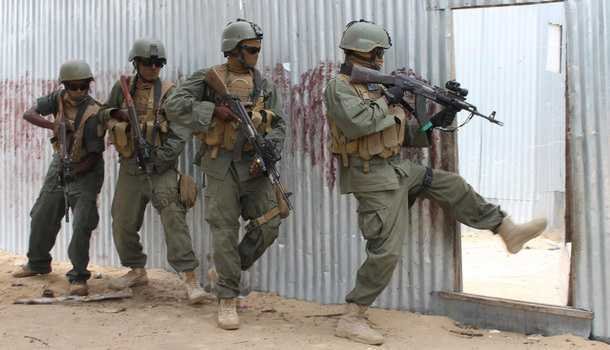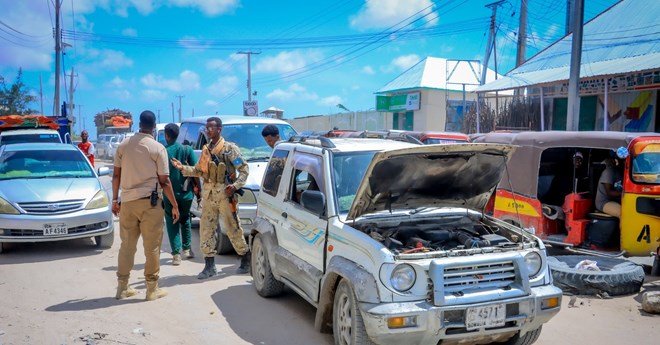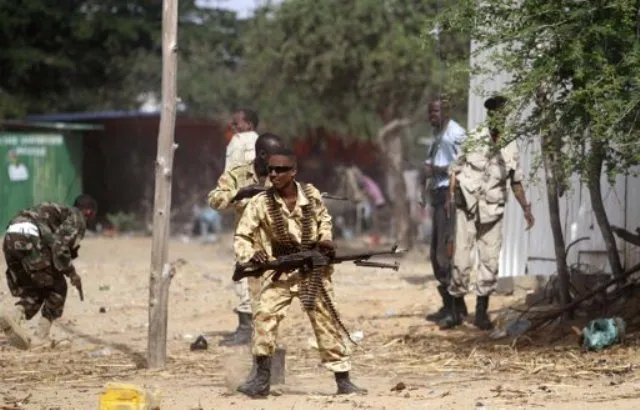
MOGADISHU — The United Kingdom has expressed concern over renewed fighting in Baidoa, warning that further violence risks worsening an already fragile humanitarian situation in South West State, as reports indicate Ethiopia is planning to withdraw more than 3,000 troops from Somalia to address escalating internal conflict at home.
In a statement issued by the British Embassy in Mogadishu on September 30, the UK called on all parties to exercise restraint, de-escalate tensions and resolve their differences through dialogue. The embassy warned that communities in South West State face overlapping threats from violence and the potential effects of El Niño in the coming weeks.
Baidoa: A City Under Pressure
Baidoa, the administrative capital of South West State, has been the centre of an ongoing political and armed conflict since federal forces took control of the city on March 30, 2026. Former South West State President Abdiaziz Hassan Mohamed Laftagareen was removed from office after opposing Mogadishu’s constitutional reforms. He resigned and later left the country, but forces loyal to him have continued to launch attacks on the city.
The most recent clashes erupted on September 28, when Laftagareen-aligned militias attacked federal and regional positions from multiple directions. Médecins Sans Frontières reported that the fighting killed three people and injured 69 others, while a health facility was severely damaged and access to medical care was disrupted. The city hosts hundreds of thousands of displaced people, and one in four children at displacement sites are severely malnourished, according to a July survey by MSF.
As reported in FTL Somalia’s coverage of the ICRC’s response, the International Committee of the Red Cross has expressed deep concern over the impact of fighting in urban areas, with its teams reporting dozens of casualties received in hospitals. Antoine Grand, the ICRC’s head of delegation in Somalia, urged all parties to take precautions to spare civilians.
Ethiopia’s Planned Withdrawal
The UK statement comes as Ethiopia plans to withdraw more than 3,000 troops from Somalia, according to a Bloomberg report citing people familiar with the matter. The troops could begin leaving in the coming days or weeks, and would be redeployed to the Tigray, Amhara and Afar regions, where fierce fighting has raged for the past week.
The bulk of Ethiopian forces in Somalia are stationed in South West State, where they operate under AUSSOM’s Sector 3 command. Ethiopian troops have been based in Baidoa and at forward operating bases across the Bay and Bakool regions for years. They have played a critical role in defending Baidoa against Al-Shabaab attacks, including a June 2025 assault on the Bay Durjed Forward Operating Base, as reported in FTL Somalia’s coverage of the attack.
Ethiopia has maintained a posture of strict neutrality in the Baidoa political conflict, declining to intervene on behalf of either side. As detailed in FTL Somalia’s analysis of the Addis Ababa talks, Somalia has sought active Ethiopian National Defense Force participation in the defence of Baidoa, arguing that Laftagareen-aligned forces are coordinating with Al-Shabaab. Ethiopia has treated that claim as a brief rather than a verified finding, maintaining its distinction between Al-Shabaab as the common enemy and Somali factional war as a separate matter.
A Somali defence ministry official said Mogadishu had not been informed by Addis Ababa of any plan to withdraw its forces. “Ethiopia has not informed us of any plan to withdraw its troops from Somalia. If they tell us, that we will let you know,” the official said. Neither Ethiopia, Somalia nor the African Union has publicly announced a change to Ethiopia’s current deployment in Somalia.
Critical Note
The UK’s call for restraint in Baidoa is a necessary intervention, but it arrives at a moment when the security architecture that has sustained the city’s defences is itself under threat. Ethiopia has been a key partner in defending Baidoa against Al-Shabaab, and the reported withdrawal of more than 3,000 troops from South West State would create a significant security gap that Somali forces may struggle to fill. The timing is particularly difficult. Baidoa remains the centre of an unresolved political conflict, Al-Shabaab retains the capacity to launch attacks, and the humanitarian situation is already dire. If Ethiopian forces leave, the question is whether anyone else can take their place.
The lack of coordination between Addis Ababa and Mogadishu is also concerning. If Ethiopia is planning a major strategic adjustment without notifying its Somali counterpart, that would be a departure from the bilateral engagement the two governments have publicly emphasised in recent months. For Somalia, the withdrawal of a major security partner is not just a logistical challenge. It is a political and security crisis in the making.
The UK’s warning about the humanitarian impact of further violence is well-founded. But statements alone will not protect civilians. The international community must press for an immediate cessation of hostilities in Baidoa and work with all parties to ensure that any Ethiopian withdrawal is managed in a way that does not leave civilians exposed. The alternative is a security vacuum that Al-Shabaab will exploit, and the people of Baidoa will pay the price.
Recommended Reading On ftlsomalia.com
- ICRC Expresses Deep Concern Over Civilian Casualties in Baidoa Clashes
- Baidoa Rocked by Fighting Between Somali Army and Laftagareen-Loyal Militias
- President Hassan Sheikh Visits Addis Ababa as Ethiopia Faces Renewed Rebel Alliance
- AUSSOM Handover in Buurhakaba Signals Progress Amid Looming Mission Closure
- Somalia Implements Curfew, Arms Ban in Baidoa Amid Political Unrest