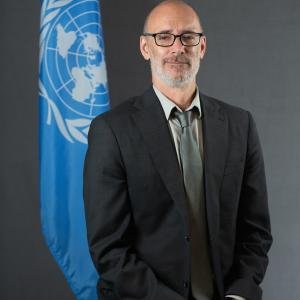
MOGADISHU — UN Humanitarian Coordinator for Somalia George Conway has issued a statement expressing serious concern over the humanitarian and protection consequences of the ongoing conflict in Baidoa, warning that repeated displacement is eroding families’ ability to cope and that child malnutrition risks being further exacerbated by continued fighting.
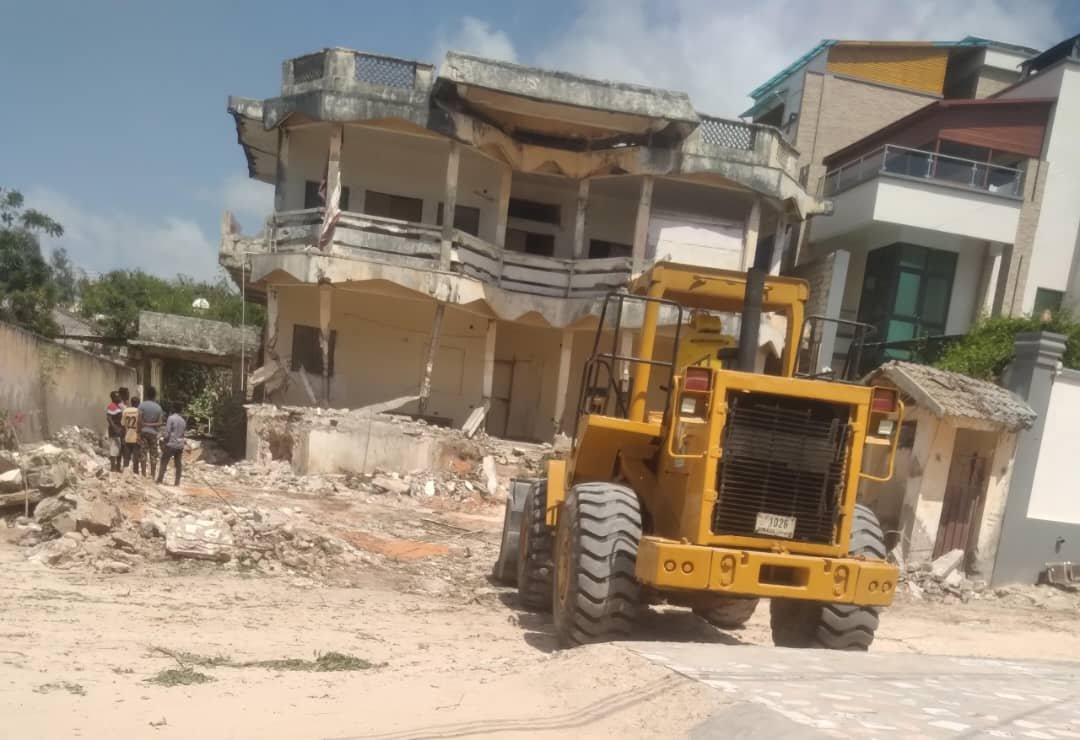
In a statement issued on 28 September 2026, Conway said recent clashes in August and September have resulted in ongoing insecurity, protection risks, further displacement, and increasingly limited access to basic services. He singled out women, children, older persons and people with disabilities as facing additional barriers to safety, assistance and freedom of movement.
“The protection of civilians and respect for international humanitarian law must be the foremost consideration of all parties,” Conway said. He called on all actors to take necessary measures to prevent and mitigate harm to civilians, avoid actions that place people at risk, ensure that reports of civilian casualties are promptly and impartially investigated, and ensure that civilians can safely access humanitarian assistance and essential services.
The Humanitarian Coordinator emphasised that schools and other civilian infrastructure must be protected, and that hospitals and medical facilities are protected under international humanitarian law and must be respected. He also called on all parties to ensure the safety and security of humanitarian personnel and to protect humanitarian assets intended to benefit affected communities.
“Humanitarian partners remain committed to delivering life-saving assistance to those most at risk and preventing further deterioration of the humanitarian situation in Baidoa,” Conway said. “Humanitarian actors must be granted safe, rapid and unimpeded access to affected communities.”
Famine Risk in Baidoa
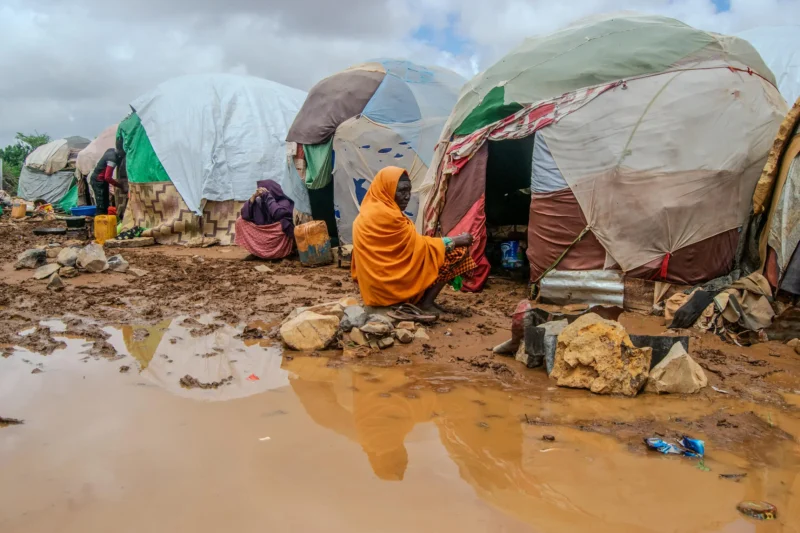
The statement follows repeated warnings from the UN and the Federal Government of Somalia about the deteriorating humanitarian situation in Baidoa. A joint assessment released on 23 September projected that internally displaced people in Baidoa are facing catastrophic hunger risk and extremely critical malnutrition classifications, with a risk of famine identified in the area, as reported in the IPC analysis.
The analysis found that 5.4 million people across Somalia will face crisis levels of hunger or worse between October and December 2026, including 1.5 million at emergency levels or worse. Nearly 1.92 million children under five will require treatment for acute malnutrition, including 433,000 with severe acute malnutrition. A follow-up assessment for Baidoa is planned for October 2026 to confirm the level of famine risk.
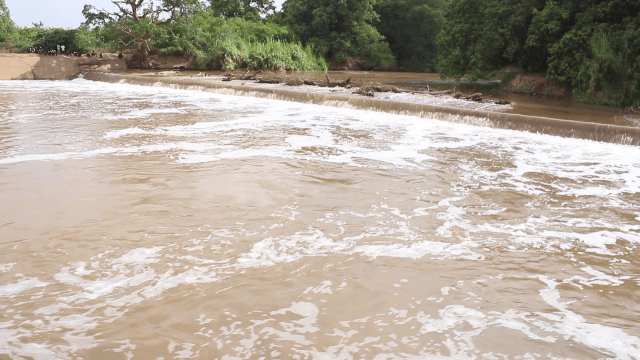
The Baidoa crisis is compounded by the anticipated El Niño floods. According to the Somalia Disaster Management Agency (SoDMA), 2.5 to 3.5 million people could be exposed to flooding, with 1 million likely to be displaced.
Humanitarian Funding Shortfalls
Conway’s statement comes amid a broader funding crisis for humanitarian operations in Somalia. In its June 2025 update, OCHA reported that sharp reductions in donor funding have significantly constrained humanitarian operations across the country, hampering the ability of aid organizations to respond to growing needs in food assistance, health, nutrition, and protection services, as reported in FTL Somalia’s coverage of the funding crisis.
The 2025 Humanitarian Response Plan for Somalia required US$1.4 billion, yet only approximately US$370 million had been secured by the end of that year, creating a substantial deficit in urgent life-saving aid, as detailed in FTL Somalia’s coverage of the drought emergency.
SoDMA and OCHA have previously held discussions on enhancing relief operations for at-risk populations and addressing the country’s humanitarian challenges, as reported in FTL Somalia’s coverage of the SoDMA-UN collaboration.
Critical Note
George Conway’s statement is a necessary intervention, but it arrives at a moment when the gap between humanitarian appeals and available resources is widening. The 2026 Humanitarian Needs and Response Plan remains critically underfunded, and the funding decisions made in the coming weeks will determine whether food and treatment reach communities once roads are cut by flooding.
The situation in Baidoa is particularly acute. The city hosts hundreds of thousands of displaced people who have already fled drought and conflict. The ICRC has reported dozens of casualties from the fighting, and hospitals are struggling to cope. The risk of famine among IDPs is a direct consequence of repeated displacement, disrupted services, and the inability of humanitarian actors to access those in need.
The protection of civilians in Baidoa is not just a legal obligation. It is a humanitarian imperative. Every additional day of fighting means more displacement, more malnutrition, and more suffering for people who have already endured far too much. The parties to the conflict must heed Conway’s call and take immediate steps to de-escalate, allow humanitarian access, and prioritise the safety of civilians. The alternative is a preventable catastrophe.
Recommended Reading On ftlsomalia.com
- ICRC Expresses Deep Concern Over Civilian Casualties in Baidoa Clashes
- Baidoa Rocked by Fighting Between Somali Army and Laftagareen-Loyal Militias
- Somali National Army Repels Al-Shabaab Attack on Baidoa
- OCHA Says Funding Cuts and Conflict Deepen Humanitarian Needs in Somalia
- Drought Crisis Forces 120,000 to Flee as Somalia Faces Growing Emergency