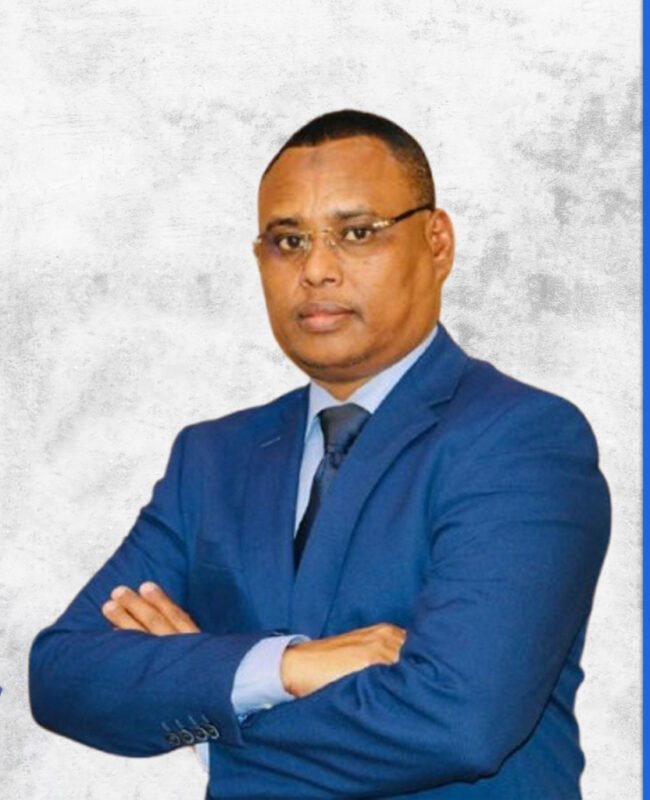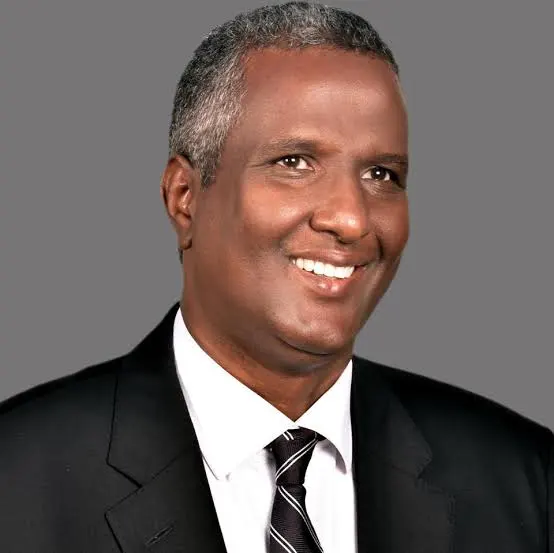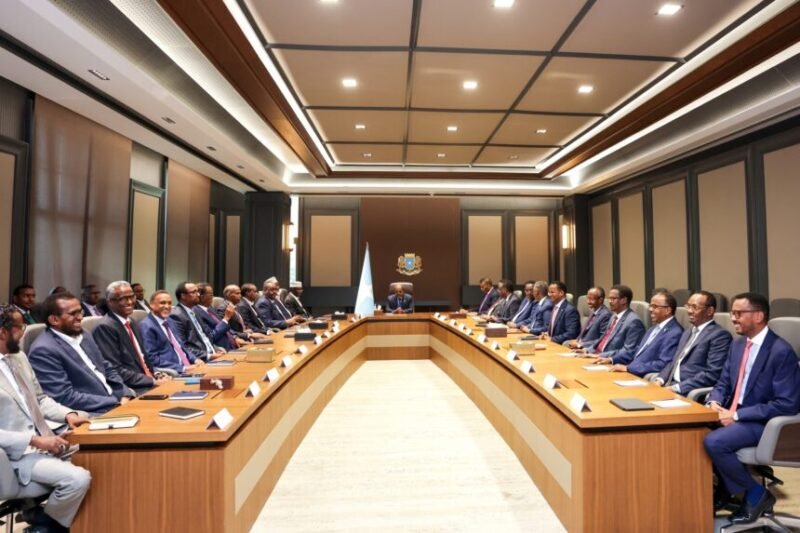

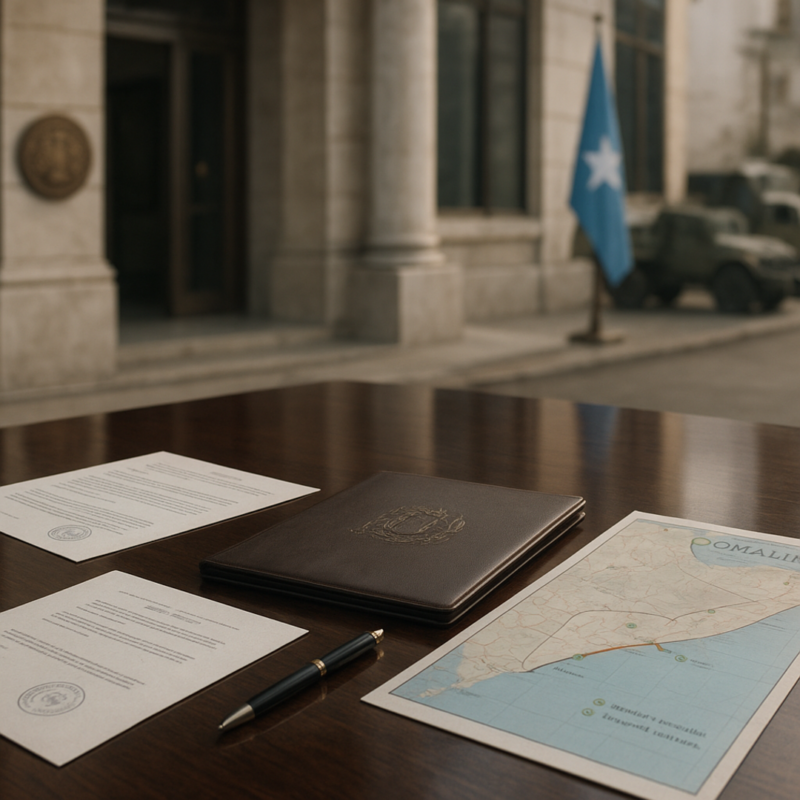
MOGADISHU — The Council of Ministers of the Federal Republic of Somalia held its weekly executive session in Mogadishu today, chaired by Prime Minister Hamza Abdi Barre. The cabinet significantly advanced the state’s legislative and institutional agenda by ratifying eight crucial legal frameworks, national policies, and international treaties aimed at enhancing federal governance and strengthening foreign diplomatic ties.
Legislative Advancements and Maritime Security
The approved legislation heavily concentrates on strategic institutional development and strict adherence to international legal standards. The executive body formally endorsed the Somali Airports Authority Bill, modernizing national aviation regulations, and sanctioned the Anti-Smuggling and Human Trafficking Bill to aggressively combat illegal cross-border activities.
In the maritime sector, the council adopted the International Convention for the Suppression of Unlawful Acts against the Safety of Maritime Navigation (SUA 2005), along with the 1992 Protocol modifying the International Convention on Civil Liability for Oil Pollution Damage. The adoption of these international maritime safety conventions directly supports Mogadishu’s recent historic milestone of relaunching the national ship registry and aggressively expanding the country’s “blue economy.”
Additionally, the cabinet approved the Foreign Affairs Employment Regulation, a Resolution on Establishing an Open Competition System for public procurement, and an important Memorandum of Understanding with the Kingdom of Spain concerning bilateral political consultations.
Security Gains and Civilian Protection
Shifting to national security, the cabinet advanced the National Policy for the Protection of Civilians during Military Operations, codifying the government’s dedication to humanitarian principles during intense combat. The Ministries of Defense and Internal Security provided detailed briefings on continuous combat operations against militant networks.
Prime Minister Hamza specifically praised the Somali National Army (SNA) for their recent territorial gains and the proficient implementation of operations that successfully secured the vital commercial arterial route connecting Mogadishu to Baidoa. The federal leadership expressed deep appreciation to the civilian population of Southwest State for their ongoing, valuable cooperation with national security forces during the recent administrative transition.
Directives on Regional Stability
To conclude the executive session, the Federal Government issued a firm, immediate directive concerning recent localized civil conflicts. The administration demanded an immediate, unconditional ceasefire between opposing parties, advocating for a complete shift toward diplomatic discussions and structural agreements.
The cabinet specifically requested the Somaliland administration to take direct responsibility, exercise political authority, and actively stabilize affected areas. To ensure a lasting solution, the federal government is simultaneously engaging traditional elders and religious scholars to mediate and reduce tensions, a move that parallels recent national consultations held in Hargeisa aimed at resolving internal regional disputes between Awdal and Selel.