

Addis Ababa, Ethiopia – A state-run Ethiopian think tank claims Somalia’s President Hassan Sheikh Mohamud endorses a two-waters strategy encompassing the Nile River dam and Red Sea access, which might escalate tensions within the country.
Ethiopia’s Institute of Foreign Affairs (IFA) argues that President Mohamud’s recent position could markedly improve ties between Ethiopia and Somalia, though it carries risks for domestic politics.
This assertion exceeds any public statements from Somali officials. The IFA analysis by researcher Miftah Mohammed Kemal draws primarily from two events in 2025.
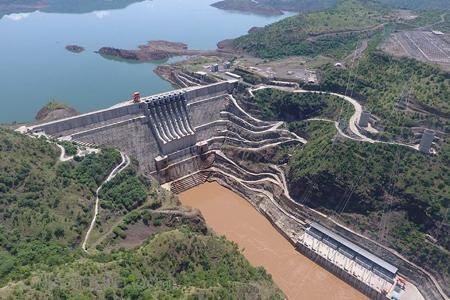
One involves President Mohamud’s attendance at the GERD inauguration on September 9, when Ethiopia officially launched its Grand Ethiopian Renaissance Dam on the Blue Nile. He participated at Prime Minister Abiy Ahmed’s invitation.
Another occurred in a televised interview with Saudi-owned Al Arabiya shortly afterward. There, Mohamud called the GERD “pivotal” for Horn of Africa development and supported discussions on its operations, per regional reports.
The IFA document connects these indicators, asserting Mohamud’s wording positions the GERD as a “regional hub for power connectivity” and interprets his remarks on Ethiopia’s Red Sea goals as backing Addis Ababa’s prolonged pursuit of sea access.
This interpretation aligns with Ethiopia’s overarching “two waters” doctrine, which ties Nile water control via the GERD to restored access to the Red Sea and Gulf of Aden.
Somalia previously voiced strong objection to Ethiopia following PM Ahmed’s pact with Somaliland, potentially granting Ethiopia 20 kilometers of Red Sea coastline for a port and military base. Somalia reacted fiercely against Ethiopia.
Diplomatic ties between the nations suffered for extended periods. Turkiye’s mediation eventually yielded a provisional agreement. If President Mohamud backs Ethiopia’s initiatives, opposition figures might challenge his presidential fitness.
A Horn Review analysis notes the Somali leader embraced dialogue on Ethiopia’s Red Sea issues but stressed that any deal must uphold “universally accepted standards” and all states’ territorial integrity.
This view matches Mogadishu’s position since the Somaliland agreement: Ethiopia may pursue commercial access via Somalia’s federal government, officials indicate, but not via deals implying Somaliland’s recognition as a state.
Somalia has not openly embraced “two waters” doctrine terminology. Officials frame their diplomacy as balancing border defense, open regional routes, and attracting investment in ports, power, and transport.