
MOGADISHU — The Somali capital is confronting a significant economic crisis as local fuel prices have jumped by approximately 77% overnight. This drastic spike is a direct consequence of the intensifying military confrontation between Iran and the U.S.-Israeli coalition.
Overnight Shock to Energy Expenses
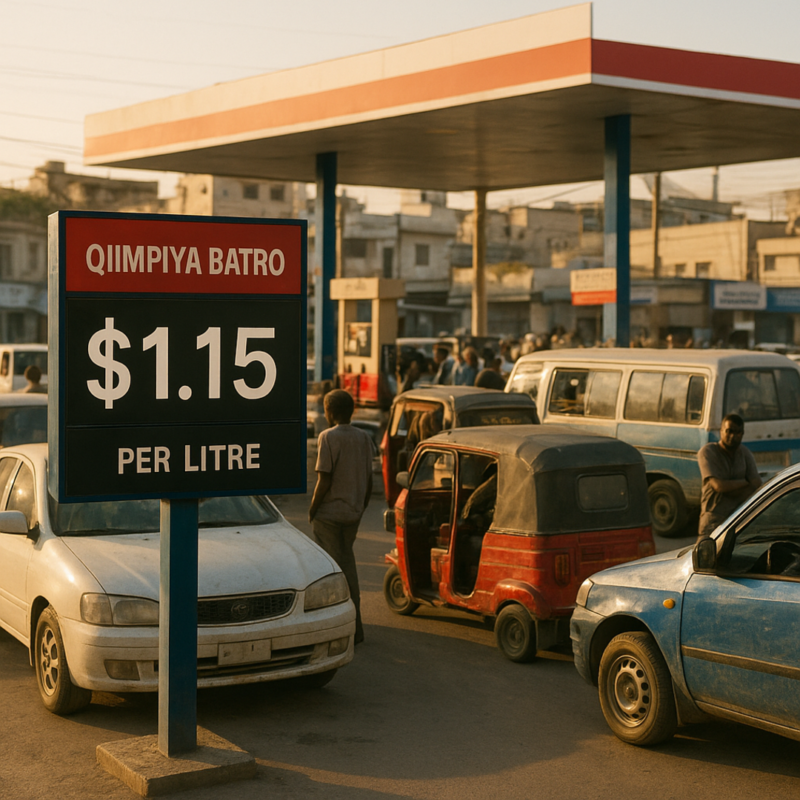
Market analysts in Mogadishu have documented a swift and severe transformation in energy expenses. Only recently, one liter of gasoline was consistently valued at $0.65. However, as of Friday night, fuel stations throughout the city dramatically increased their rates to $1.15, compelling drivers and enterprises to adapt immediately to the challenging financial circumstances.
This abrupt increase is explicitly linked to the elevated geopolitical tensions in the Middle East—highlighted by recent diplomatic maneuvers such as the Somaliland administration’s engagement with the Israeli Prime Minister—which have now entered their seventh consecutive day of military engagement. Because Somalia is substantially dependent on imported refined petroleum products, the nation faces exceptional susceptibility to interruptions in worldwide supply chains and oceanic security.
Factors Driving the Escalation
Industry specialists have identified multiple compounding elements contributing to the local escalation in Mogadishu:
- Maritime Risk: Elevated insurance costs for vessels traveling through the highly volatile Red Sea and the Gulf of Aden, a concern echoed by neighboring Djibouti’s recent warnings regarding broader regional stability.
- Supply Disruptions: Growing apprehensions regarding the operational stability of regional petroleum refineries and major export facilities.
- Market Speculation: Worldwide crude oil prices responding erratically to the possibility of an extended regional conflict involving significant petroleum-producing nations.
Ground-Level Economic Strain
The economic repercussions were felt immediately across Mogadishu’s streets. Public transportation providers, including bus and Bajaj operators, have voiced deep apprehension that the sudden price increase will inevitably necessitate higher fare charges. This threatens to place additional strain on a populace already confronting substantial inflation rates.
“I went to sleep paying 65 cents, and I awoke to over a dollar,” stated a local taxi driver. “We are unable to support our families when fuel expenses exceed our daily earnings.”
Economic analysts caution that should the Middle Eastern conflict continue to intensify, the secondary consequences may rapidly surpass the fuel sector. Experts warn the crisis could potentially elevate the expense of electrical power generation and imported foodstuffs, both of which are fundamental to the stability of the Somali economic system.