
MOGADISHU — The Federal Government of Somalia has rescinded a standing arrest warrant against Jubaland President Ahmed Madobe, clearing a major legal obstacle ahead of high-level talks between the administration and the opposition coalition.
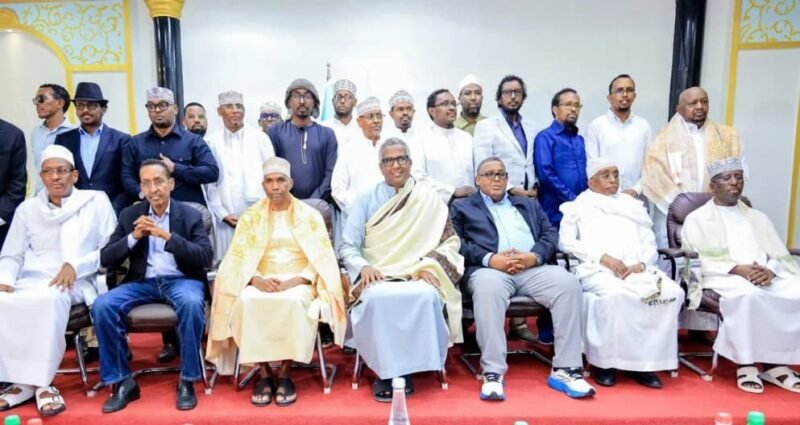
The decision comes as technical committees from the government and the Somali Future Council held their first official meeting in Mogadishu on Wednesday to prepare for the National Consultative Meeting scheduled for February 1.
Clearing the Path for Dialogue
The Banadir Regional Court confirmed the cancellation of the warrant, which had been issued in November 2024 following Madobe’s re-election in Kismayo—a vote the federal government initially deemed unlawful.
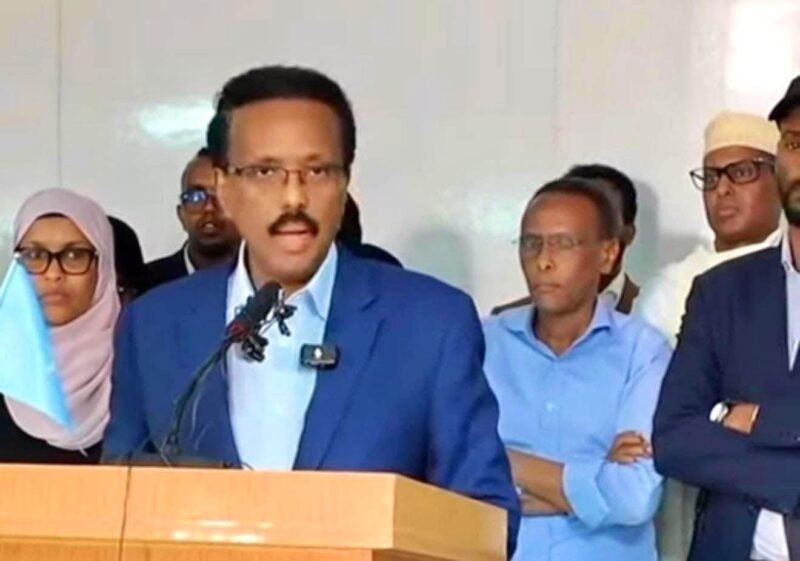
The warrant had prevented the regional leader from traveling to the capital. Its removal serves as a significant confidence-building measure, allowing Madobe to join President Hassan Sheikh Mohamud, Puntland President Said Abdullahi Deni, and other opposition figures for the upcoming summit.
Technical Committees Meet
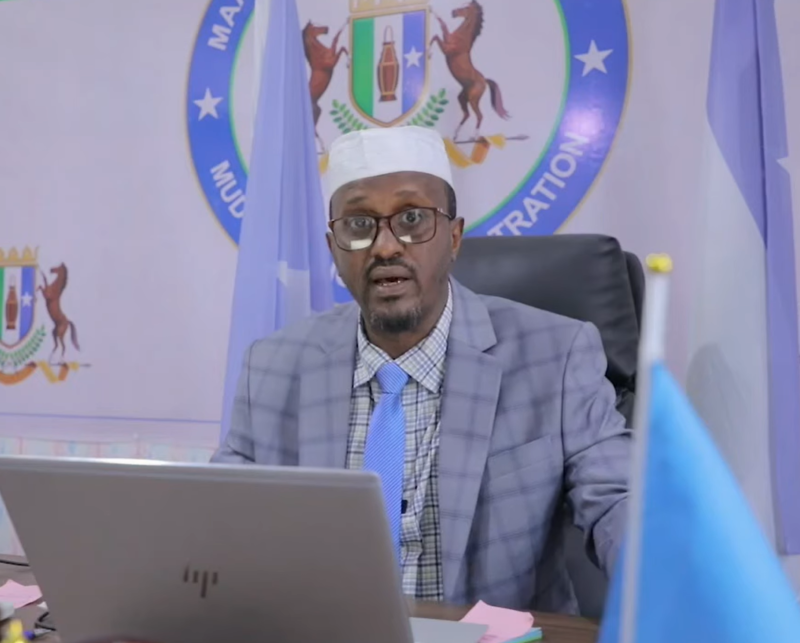
Wednesday’s preparatory meeting was described by officials as “constructive.” The government delegation was led by the Minister of Justice, Hassan Moalim, while the opposition committee was headed by former Education Minister Abdullahi Arab.
The two sides reached key agreements on logistics and security for the visiting delegations:
-
Venue: The parties agreed that the Halane Base Camp in Mogadishu will host the talks. The opposition successfully argued that the base, which houses foreign diplomatic missions and is protected by African Union troops, offers a neutral and secure environment.
-
Security Details: The personal security details of the Puntland and Jubaland leaders will be responsible for their immediate protection, coordinating closely with federal security agencies to prevent friction.
Contentious Issues Remain
While progress was made on logistics, the meeting highlighted deep divisions regarding the government’s push for constitutional amendments. The matter prompted lengthy debate, with government representatives ultimately insisting that the issue be deferred to the leaders to address directly during the main summit.
However, the committees agreed that areas of mutual interest—including national security, the fight against Al-Shabaab, and the ongoing drought response—should be prioritized in the final communiqué.
Technical discussions are set to continue on Thursday to finalize the agenda for the February 1 gathering, which aims to establish a unified direction for Somalia’s democratic transition and electoral framework.