
MOGADISHU — Just two weeks after Somalia’s Federal Parliament ratified a controversial new constitution championed by the central government, severe political tensions over its practical implementation are already rapidly emerging.
Selective Constitutional Application
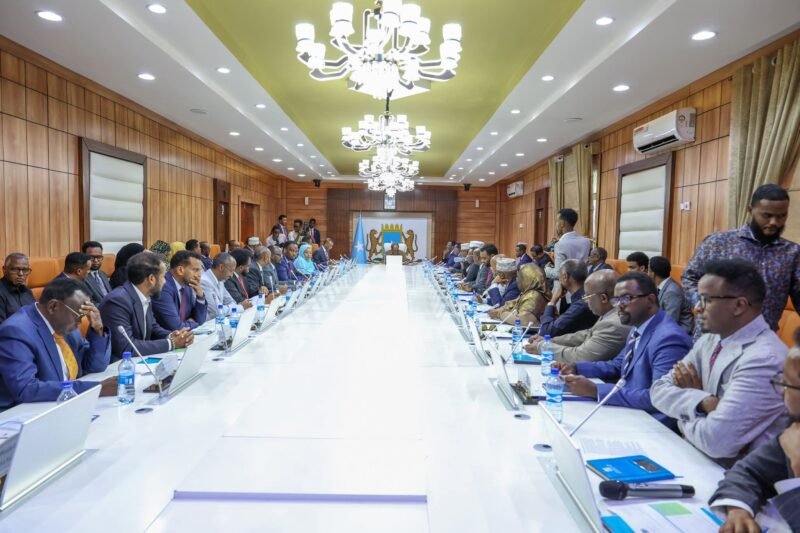
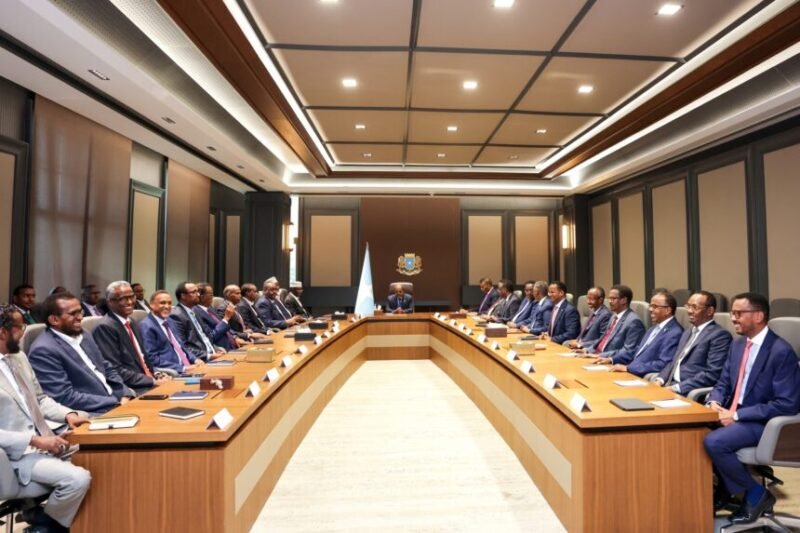
A primary point of fierce contention centers on recent executive appointments. Although the newly minted constitution explicitly prohibits sitting members of parliament from concurrently serving as cabinet ministers, the federal government quickly bypassed this strict legal restriction, appointing several current MPs to high-level ministerial positions anyway.
This controversial move directly follows the highly polarized parliamentary vote that formally adopted the constitutional amendments despite fierce, coordinated opposition from regional leaders. Critics argue that the immediate violation of the new framework drastically undermines the very legal foundation the government sought to establish.
Term Extensions and Growing Criticism
Following the document’s contentious ratification, Speaker of the House of the People, Adan Mohamed Nur (Madobe), officially declared the constitution to be in full effect. Crucially, the Speaker confirmed that both the president’s and the parliament’s electoral mandates had been legally extended by one full year under the revised provisions.
For many political observers and opposition figures—including former President Mohamed Abdullahi Farmajo, who recently warned that the unilateral changes deeply threaten national unity—the episode exposes a constitution that is being applied selectively by Villa Somalia. Opponents argue that its strict limitations on ministerial appointments were blatantly ignored, while its new rules were eagerly and readily invoked to extend the current administration’s executive and legislative authority.