
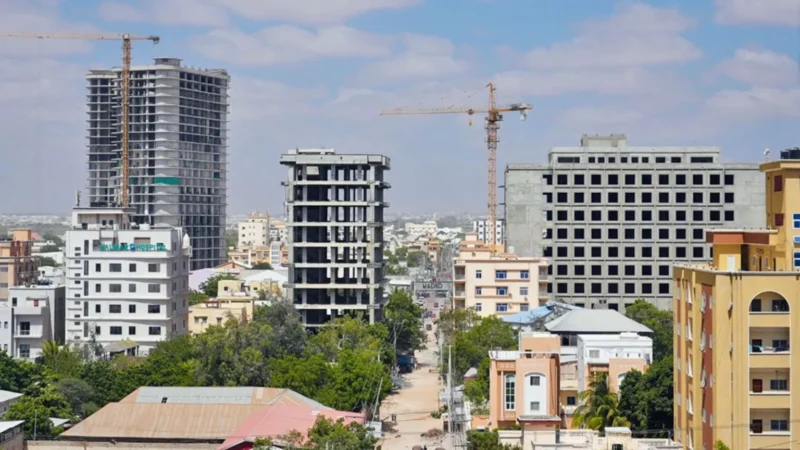
Mogadishu, Somalia – Somali diaspora members returning home after just a few years are met with a startling sight from their aircraft windows. The sandy coast that once featured low-rise buildings and open spaces now reveals a rapidly rising vertical city.
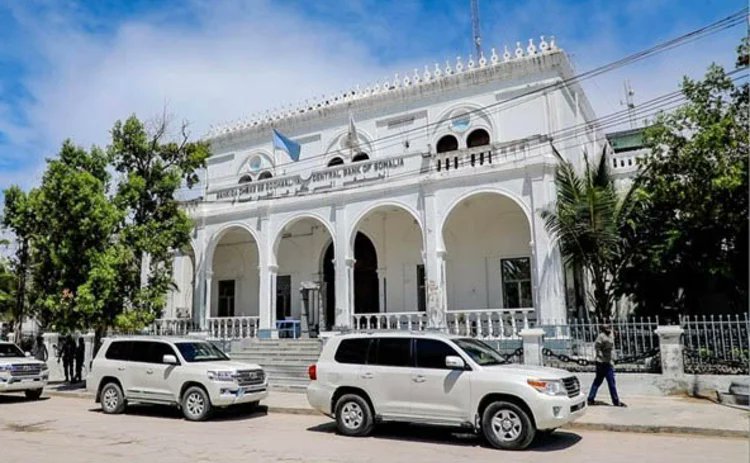
The skyline, previously characterized by traditional white-washed architecture and conflict marks, now features towering cranes and multi-story apartments, representing a fundamental transformation of the capital’s character.
This represents more than a surface-level change but a deep structural transformation, causing experts to recognize Mogadishu as one of the world’s most rapidly expanding cities.
The pace is so swift that the city’s landscape is essentially being redefined monthly, rendering areas familiar to visitors from just years ago almost unrecognizable. From elevated vantage points across the city, one observes a compact urban environment where future skyscraper frameworks coexist with finished modern homes, extending toward the Indian Ocean’s blue waters.
The main force behind this construction revival is the measurable enhancement in the capital’s security framework. As Somalia’s federal government solidifies advances against instability and protects the capital, investor confidence has reached unprecedented heights.
The peace and stability maintained in recent years have released capital that had been inactive or based abroad. Corporate executives, property developers, and local property owners are now extensively investing in Mogadishu’s future, directing resources toward infrastructure serving a growing population and emerging middle class.
The architectural advancement is visible in the proliferation of multi-story buildings designed to optimize the peninsula’s valuable land. The current cityscape displays a concentrated pattern of contemporary high-rises substituting the former horizontal expansion with vertical aspirations.
Construction locations are widespread, with scaffolding and steel reinforcements becoming standard street-level elements, while elevated floors provide comprehensive vistas of a city determinedly restoring its position as a commercial center.
This physical development parallels the nation’s psychological restoration. Each new foundation symbolizes a belief in the endurance of peace and the nation’s economic prospects. Although swift urbanization introduces fresh difficulties for urban planners concerning infrastructure and services, the forward movement is clear.
Mogadishu is moving beyond its historical image, now presenting itself as a lively metropolis where construction sounds have superseded conflict noises, establishing a fresh account of endurance and advancement in the Horn of Africa.