
Mogadishu, Somalia – A new report from Independence House reveals that Mogadishu remains overwhelmingly inaccessible for persons with disabilities (PWD), despite the city’s rapid growth and reconstruction surge. The findings depict a harsh reality of daily challenges, documenting pervasive structural barriers, discriminatory attitudes, and failures in policy implementation.
The study indicates that 86 percent of PWD encounter systemic barriers to navigating the city, with most public transport stops, sidewalks, and major roads missing essential features for those with mobility, visual, or hearing impairments. Only 4.7 percent of respondents reported access to suitable pedestrian areas.
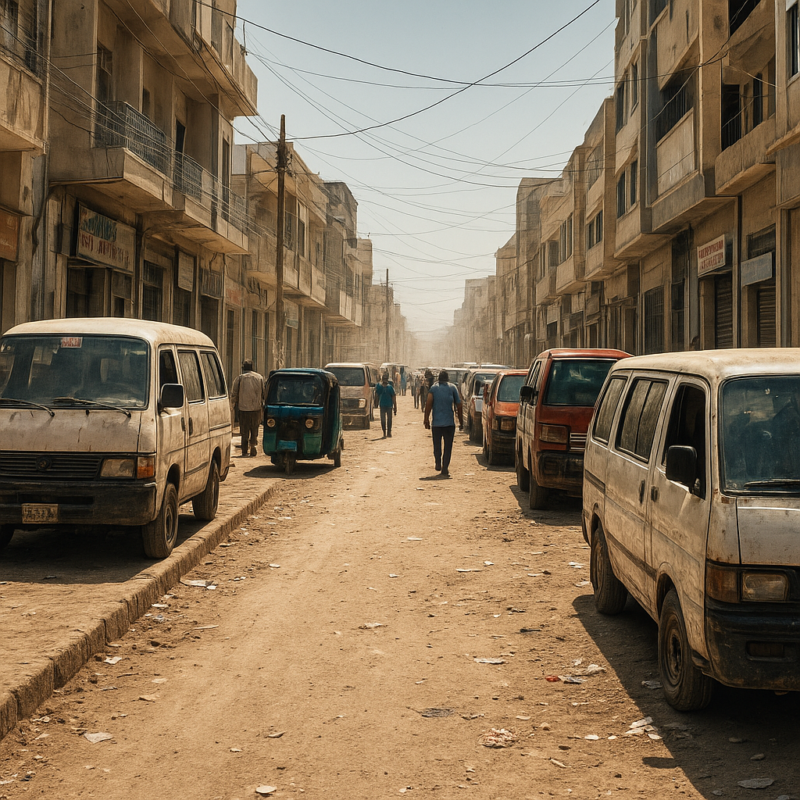
Researchers determined that Mogadishu’s expanding construction sector has emphasized commercial development over inclusive design. Many new buildings lack ramps or accessible entrances, while crowded streets and tall curbs push wheelchair users into traffic. Ninety-seven percent of respondents noted that crossings have no tactile or audible signals, endangering visually impaired residents.
Public transport represents one of the primary obstacles. Without a formal public transit system in Somalia, PWD depend on private buses, tricycles, and taxis, which respondents said often refuse them service or space. One respondent recounted being forced off mid-journey amid traffic jams, while another highlighted that the entire city has just one wheelchair-accessible van, donated by an international agency.
The report also underscores exclusion in schools, workplaces, and religious sites. Many mosques lack ramps, and visually impaired students frequently take oral exams due to unavailable Braille materials. Employers rarely accommodate disabled workers, sustaining cycles of unemployment and dependency.
Independence House recognizes Somalia’s efforts toward disability inclusion, such as creating the National Disability Agency and adopting the National Disability Strategy, but limited resources and weak enforcement have prevented policy advances from materializing.
The authors warn that without immediate investments in accessible infrastructure, inclusive policies, and public awareness efforts, Mogadishu could entrench a system marginalizing more than 11 percent of its population.
“Urban growth without inclusion is exclusion. For Mogadishu to thrive, persons with disabilities must be able to move, work, and participate fully in city life,” the report says.