
MOGADISHU — Somalia is currently in advanced negotiations with Pakistan to purchase up to 24 JF-17 Thunder fighter jets. The potential $900 million agreement marks the nation’s most ambitious attempt since 1991 to reestablish a sovereign air combat capability and secure full control over its extensive coastline and airspace.
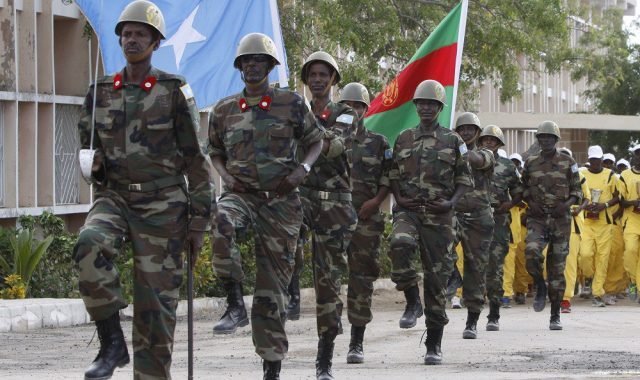
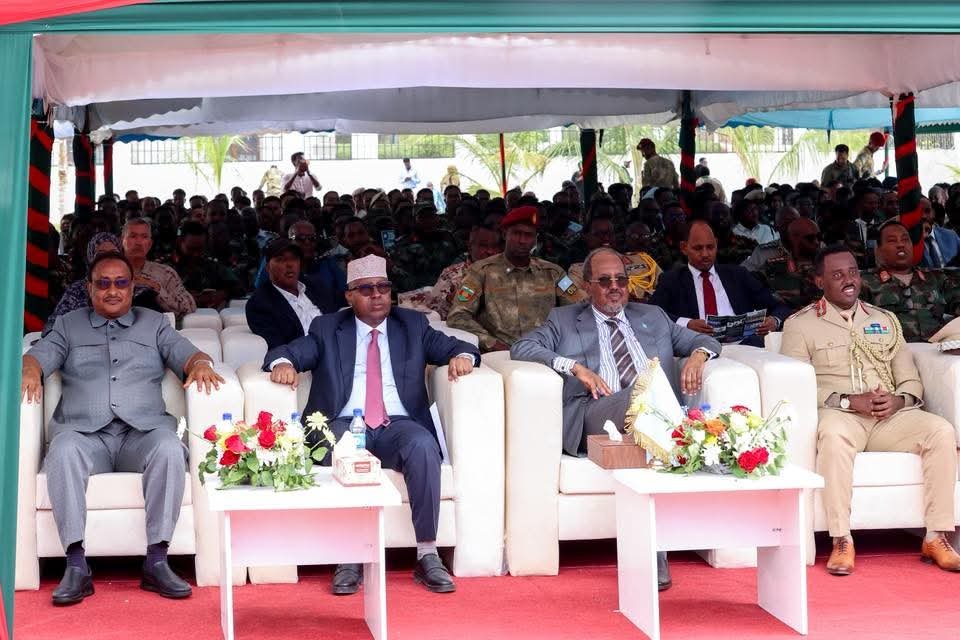
The high-stakes discussions accelerated following a February 2026 diplomatic visit to Islamabad by Somali Air Force Commander Mohamud Sheikh Ali. The move reflects an urgent national requirement to rebuild a fixed-wing combat force that collapsed with the disintegration of the central government decades ago.
A Statement of Sovereignty
“Our airspace must be protected by Somali hands,” a Somali defense ministry official stated, portraying the acquisition not merely as a weapons procurement effort but as a profound statement of political sovereignty and institutional resurgence.
Establishing a functioning air force with jet fighters alters the regional security calculus. Ground forces alone are insufficient for navigating remote terrain; autonomous air power will allow Mogadishu to project power, strike Al-Shabaab militant training camps, and cut off insurgent supply lines. It also drastically reduces Somalia’s historical reliance on foreign airpower, particularly from the United States and Turkey, while enabling sovereign control over its entire airspace, including Somaliland, following recent diplomatic frictions involving Israel.
Cost-Effective Airpower and “No Strings”
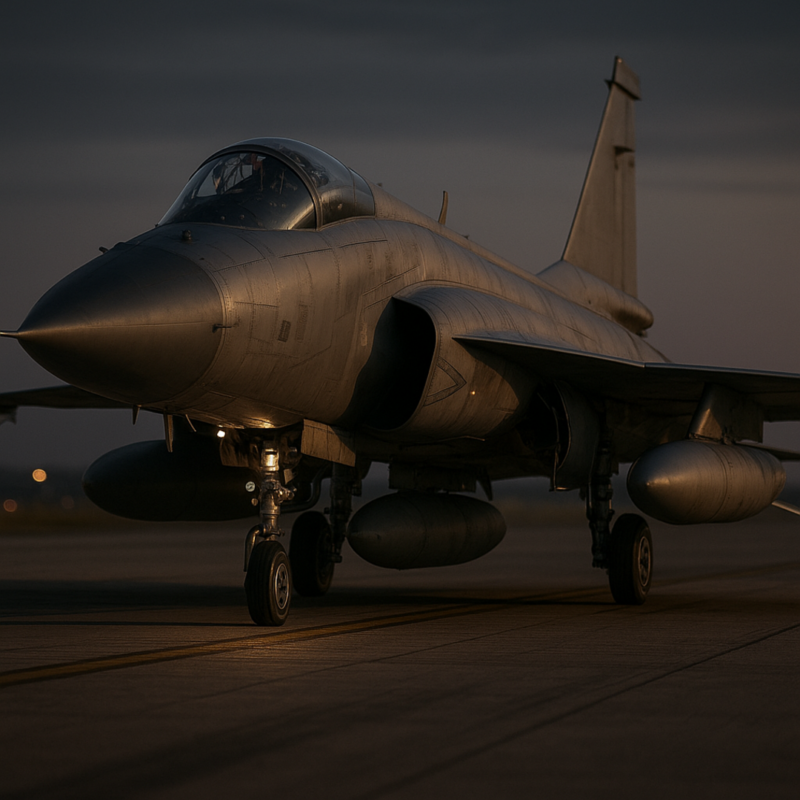
Also known as the FC-1 Xiaolong, the JF-17 is a lightweight, single-engine, multi-role combat fighter co-developed by Pakistan and China. While Somalia is targeting the advanced Block III variant, which features modern radar and beyond-visual-range capabilities, experts note that even Block I or II variants would provide highly capable close air support against insurgents.
Pakistani Defence Production Minister Raza Hayat Harraj highlighted the financial logic behind the deal. “While some Western options may be more technologically advanced, they cost more than three times as much as an approximately $25 million to $40 million JF-17,” he explained.
An Islamabad-based analyst underscored that the JF-17’s appeal lies in the comprehensive operational package. Pakistan is providing a full defense partnership that includes pilot training, flexible weapons integration, ground crew instruction, and spare parts. Crucially, this is a transactional relationship built on mutual benefit and Islamic solidarity, carrying fewer of the strict political strings and congressional hurdles often attached to Western arms sales.
Gulf Financing and Global Implications
The massive financial arrangement is reportedly being smoothed out by third-party financing from Gulf states. Saudi Arabia is stepping up and committing more support to Somalia, in fostering stability and also maintains close military ties with Pakistan, it is highly likely playing a quiet role in facilitating the procurement. This aligns with recent diplomatic moves, including Somalia’s expanding defense pacts with Saudi Arabia.
Globally, the deal serves as a major “proof of concept” for the JF-17 and allows China to deepen its strategic military footprint across Africa through a proxy product, entirely avoiding direct diplomatic exposure. Former Pakistan Air Force Air Commodore Adil Sultan noted that the aircraft’s proven track record against more expensive Western and Russian systems makes it highly persuasive for sensitive defense markets.
Other developing African nations with limited budgets and active security threats, such as Nigeria, Sudan, and Chad are monitoring this procurement model closely. If successful, the Somalia-Pakistan deal could trigger a surge in orders from similar nations seeking accessible, sovereign air defense.