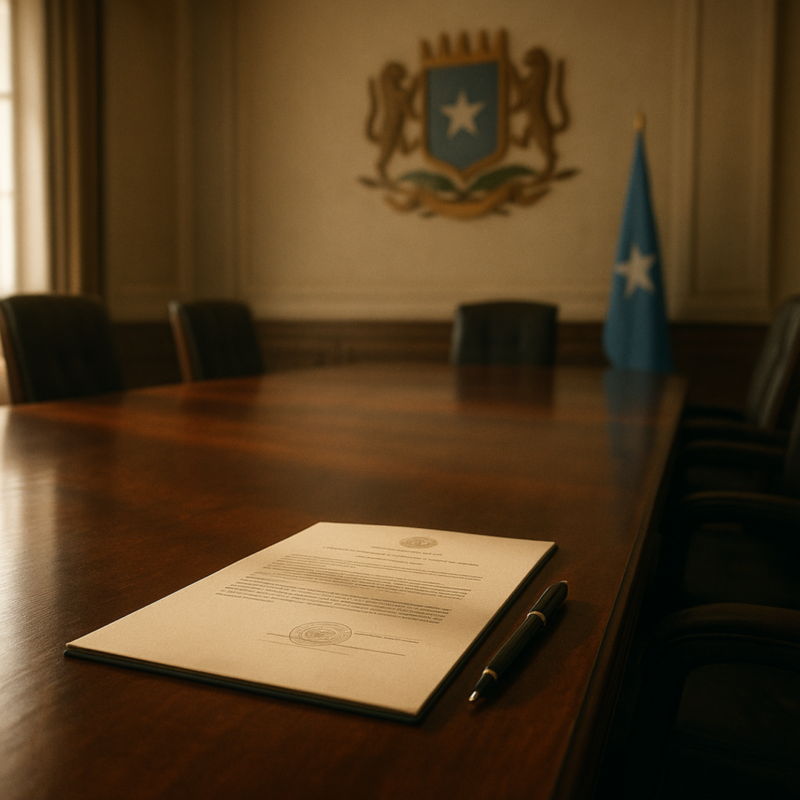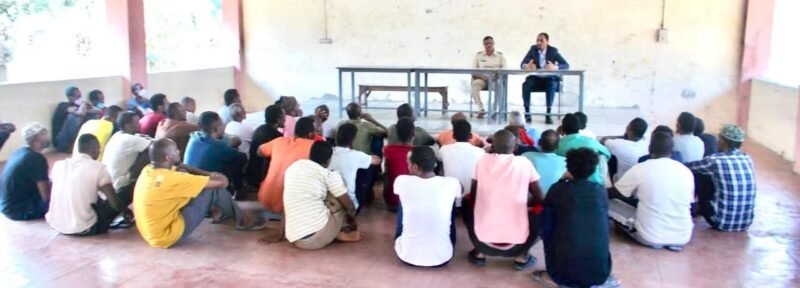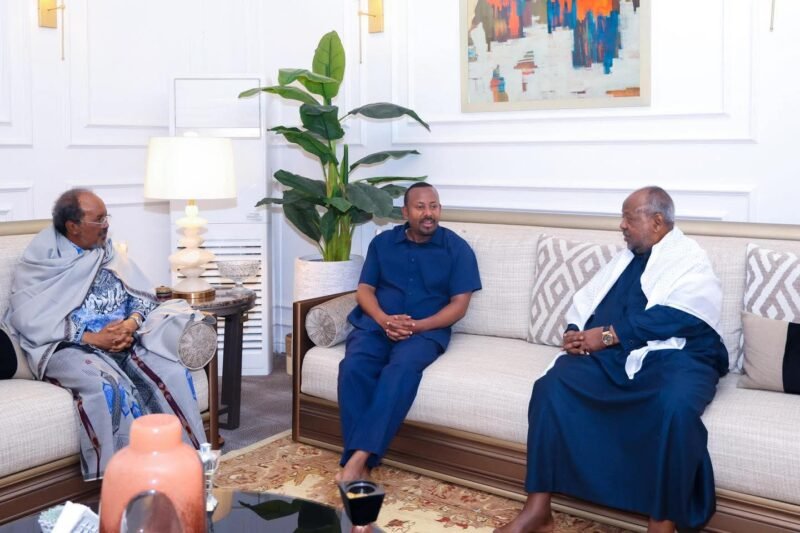

The Somali Federal Government and the United Nations have officially endorsed the 2025 Action Plan aimed at enhancing protection for children affected by armed conflict.
Ahmed Moalim Fiqii, Somalia’s Defence Minister, formalized the agreement on behalf of the national government. The United Nations was represented by James Swan, the UN Secretary-General’s Special Representative for Somalia, and Sandra Latouf, UNICEF’s Representative in the country.
This agreement marks a nationwide transformation process that strengthens accountability mechanisms within security institutions and improves safeguards for children.
The operational strategy builds upon previous advancements and reflects the Somali administration’s dedication to preventing grave violations against children while collaborating closely with international partners to ensure the future wellbeing of Somalia’s youth.
The official ceremony was witnessed by members of the Inter-Ministerial Committee on Children and Armed Conflict, comprising representatives from the Ministries of Defence, Internal Security, Justice and Constitutional Affairs, and the Ministry of Family and Human Rights Development.
Endorsement at the ministerial level, spearheaded by the Defence Minister, reveals a determination to institutionalize child protection within the nation’s security infrastructure. It elevates the issue from human rights advocacy to the center of military doctrine and state policy, potentially heralding a fundamental transformation.
Historically, Somalia has been cited in the UN Secretary-General’s annual reports on Children and Armed Conflict due to serious violations, predominantly involving state forces and allied militias. This initiative serves as a formal response to such oversight. By taking preemptive action, the administration aims to forestall criticism, demonstrate adherence to international standards, and enhance its standing as a responsible global partner, which is essential for sustaining international assistance.
The participation of the Inter-Ministerial Committee is pivotal. It demonstrates that child protection is being treated as a comprehensive security and governance challenge, rather than solely a social or humanitarian matter. Integrating responsibility across the Defence, Internal Security, and Justice ministries is designed to ensure accountability permeates the chain of command and judicial processes, tackling both prevention and prosecution of offenses.
This reassures international partners engaged in military training and support that their assistance complies with human rights principles, potentially preserving critical foreign aid.
The ultimate measure of success will be implementation during active conflict. The effectiveness of this plan depends on proper training and discipline of frontline SNA and allied militia personnel. Robust monitoring and reporting systems, likely involving oversight.
Concrete judicial measures against perpetrators within security forces must also be implemented. A significant obstacle persists with Al-Shabaab, which is not bound by the agreement and continues to systematically recruit and utilize child soldiers. The government’s capacity to shield children in conflict zones against such elements will be the definitive assessment of the plan’s practicality.
This Action Plan represents a strategic maneuver by the Somali government to transform international condemnation over child rights abuses into a cornerstone of state development and legitimacy.