
A sharp public rift has emerged within Somalia’s cabinet after senior ministers clashed online regarding Somaliland’s bid for recognition, exposing deep divisions inside the federal administration. The confrontation flared on Thursday when multiple federal officials originating from Somaliland accused Mogadishu of politically sidelining the region and breaking earlier pledges.
Those leveling the charges included Deputy Prime Minister Salah Ahmed Jama, Agriculture Minister Mohamed Abdi Hayir, Finance Minister Bihi Iman Ege, and Chief of the Supreme Court Bashe Yusuf. Speaking at a press briefing, they asserted that the federal arrangement had not delivered fair power-sharing for Somalilanders, noting that for more than two decades the region had not held the offices of prime minister or president. They further contended that repeated dialogue efforts between Somaliland and Somalia fell apart because Mogadishu did not honor commitments made during negotiations.
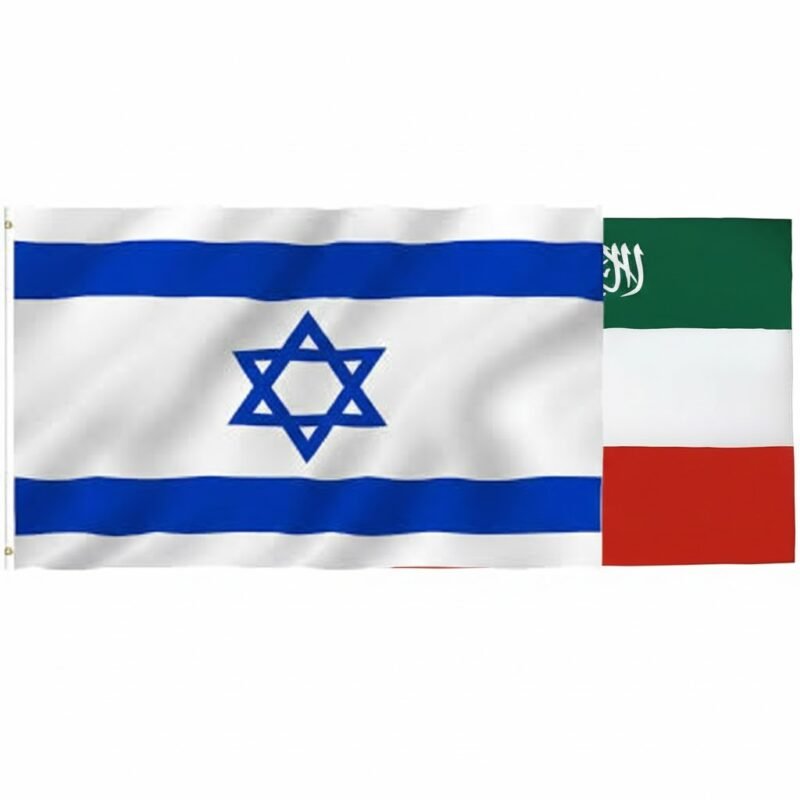
The remarks drew a swift and angry online rebuttal from Defence Minister Ahmed Moalim Fiqi, whose intervention sparked intensely worded exchanges among officials and laid bare the depth of disagreement within the cabinet over Somaliland’s status. Fiqi accused the officials of failing to denounce Israel’s recognition of Somaliland while lobbing what he called baseless accusations against the federal government they serve. He later stated that he removed his post at the request of Prime Minister Hamza Abdi Barre. The incident comes amid escalating controversy over the silence of Isaaq MPs and Ministers serving in federal bodies. None publicly opposed Israel’s move this week, even as politicians from other Somali clans strongly condemned it. Their motives for staying silent remain unclear.
Tensions were highlighted by the resignation of Senator Osman Dube, a leading upper-house member, who said Somaliland MPs receive scant respect in Mogadishu and face routine threats of losing their seats if they spotlight government failures to deliver what he termed Somaliland’s due political representation. The open dispute marks one of the most visible flare-ups in recent years over the unresolved question of Somaliland’s relationship with Somalia and the strains it places on the country’s fragile federal leadership.