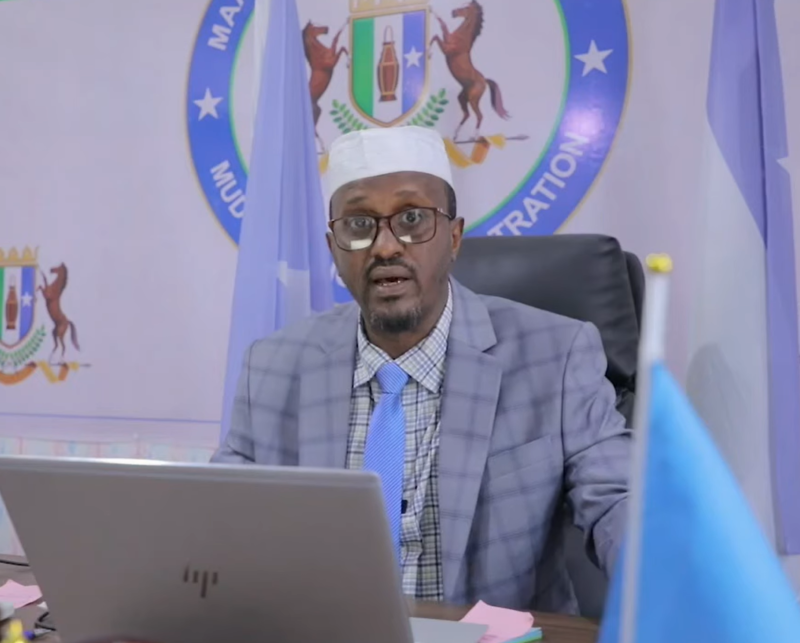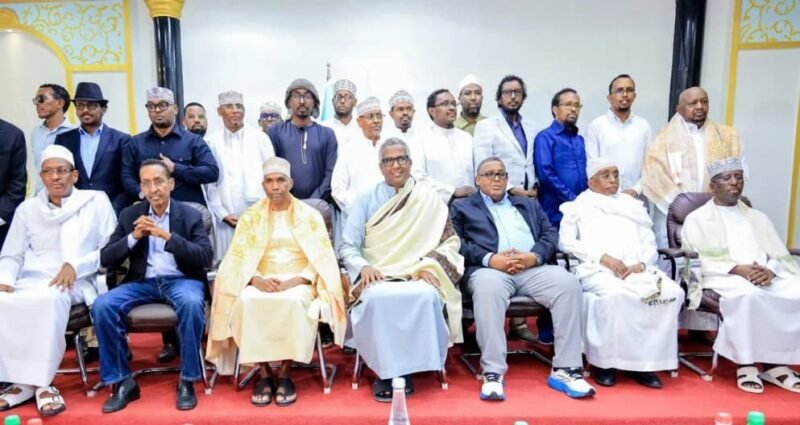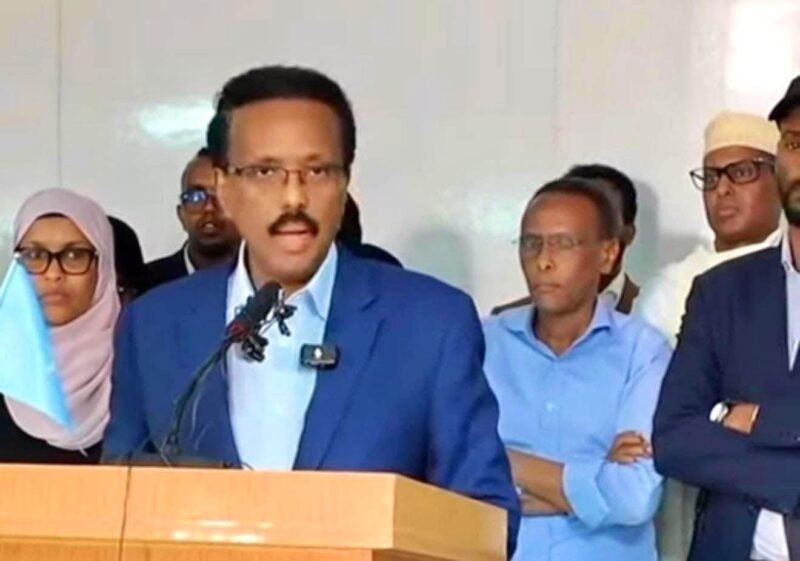

Mogadishu, Somalia – Somalia’s former President Sharif Sheikh Ahmed has cautioned that the nation is heading toward perilous political uncertainty, blaming President Hassan Sheikh Mohamud for hindering negotiations on the framework for upcoming national elections.
In an extensive interview with BBC Somali, Mr. Ahmed stated that repeated attempts by opposition leaders to establish a roadmap for the voting process had failed because, in his assessment, the president “had no genuine intention of reaching an understanding.”
The administration has claimed it is laying the groundwork for Somalia’s first comprehensive one-person-one-vote election. However, Mr. Ahmed contended there is little evidence to suggest such an election is being seriously prepared. He noted that no essential legislation has been successfully passed through parliament, no reliable strategy exists to protect polling stations, and no broad political consensus has been pursued in a country still dealing with the aftermath of civil war and clan-based power-sharing.
He accused the government of proceeding unilaterally while the ruling party dominates campaign activities in Mogadishu: “The obstruction originated from the president,” he stated. “We participated in every meeting. The breakdown of discussions was his responsibility.”
Mr. Ahmed also criticized recent amendments to the provisional constitution, asserting that the modifications addressed core political principles – including provisions for a multi-party system – and were implemented without inclusive consultation. He further alleged that the creation of a new electoral commission had occurred without cross-party approval.
While emphasizing that opposition factions endorse the concept of universal suffrage, the former president maintained that conditions for such an election do not currently exist – and, in his opinion, the government has taken no substantial measures to establish them.
Somalia is likely to experience increased political tensions in the coming period unless its leadership can concur on a transparent and inclusive electoral process.