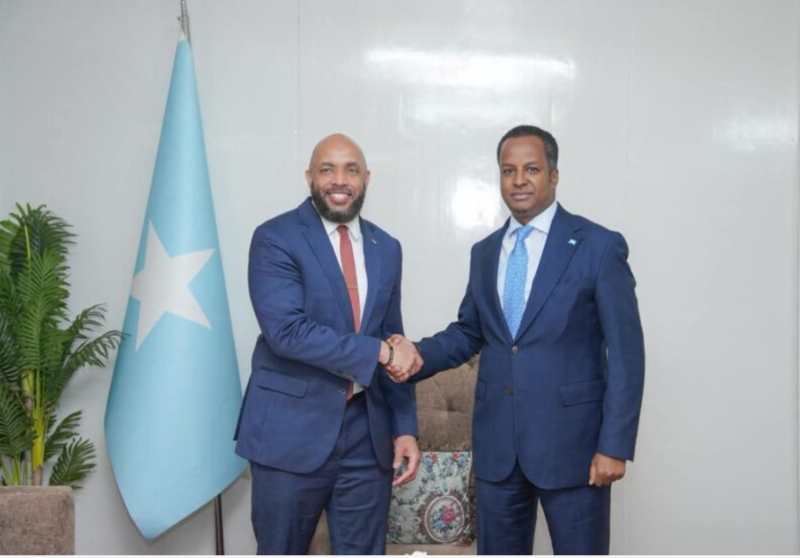

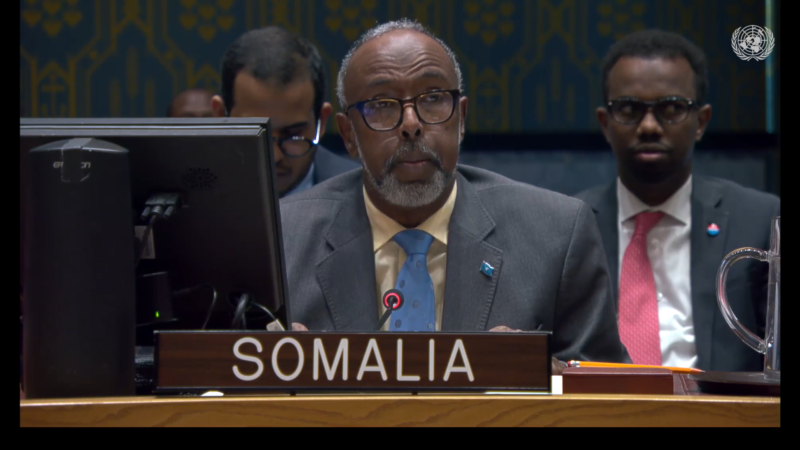
NEW YORK — In a historic milestone for the nation’s diplomatic recovery, Somalia has formally assumed the rotating presidency of the United Nations Security Council for January 2026. This leadership role signifies Mogadishu’s full reintegration into the heart of global governance and reflects a newfound international confidence in the federal administration’s institutional capacity.
A Platform for Global Influence
As it steers the primary body overseeing international peace and security, Somalia will be responsible for setting the Council’s agenda, chairing all sessions, and facilitating critical discussions among the fifteen member states. The Somali delegation’s duties include:
-
Directing the Program of Work: Prioritizing urgent global matters and geopolitical deliberations.
-
Leading Negotiations: Guiding the adoption of resolutions and the issuance of presidential statements.
-
Conflict Resolution: Overseeing debates on peacekeeping missions and compliance with international law.
From Reconstruction to Leadership Somalia’s return to the Security Council as a non-permanent member in 2024 for a two-year tenure set the stage for this month of stewardship. Diplomatic observers note that the presidency is a direct result of years of institutional reconstruction following prolonged conflict. It grants the federal leadership a high-profile platform to shape global policy, with a particular emphasis on championing lasting responses to security emergencies across Africa and reinforcing multilateral cooperation.
Navigating Complex Crises Somalia takes the helm amid a period of rising geopolitical tensions and complex global crises. This role requires steady oversight to foster collaboration among council members while addressing critical security challenges. By assuming this responsibility, Somalia transitions from being a subject of international security discussions to a leading actor in defining the collective security frameworks of the future.