
Mogadishu, Somalia – A powerful explosion shook Mogadishu tonight in the Wadajir district, causing casualties and injuries.
Reports indicate the blast was a suicide attack near the base of Gen. Dhegabadan forces.
Eyewitnesses reported that a person wearing an explosive vest detonated themselves in an area where Somali security forces were positioned near the base.
The explosion resulted in deaths and injuries among both soldiers and civilians nearby, though the exact casualty toll remains unknown.
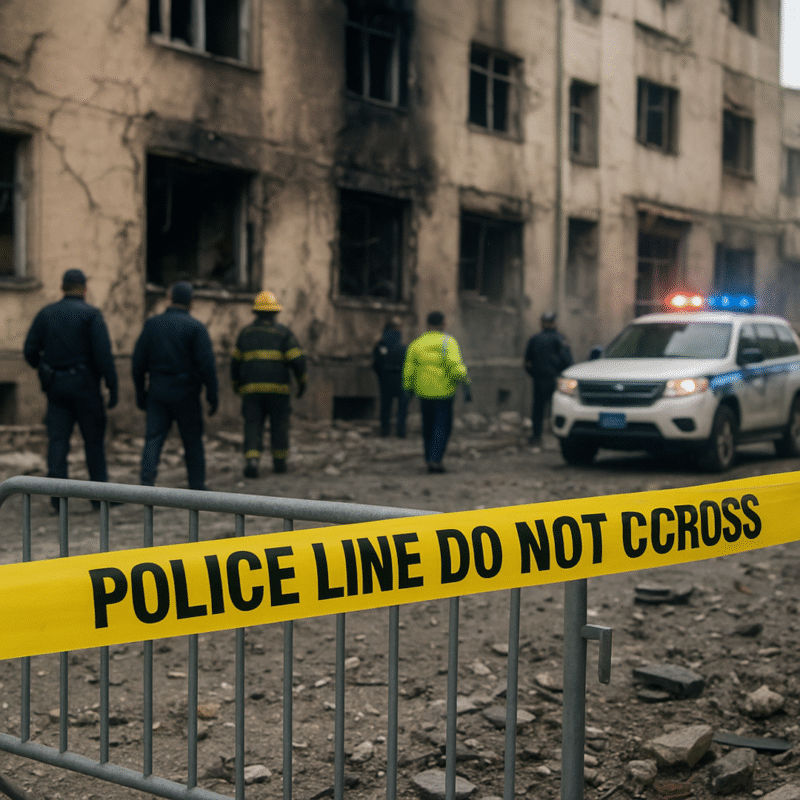
Security forces quickly cordoned off the blast site. Ambulances were sent to transport the injured to medical facilities in Mogadishu.
Federal government security agencies issued an official statement about the attack, marking the first such incident in months in a city that had experienced improved security conditions.
This attack represents a significant and deliberate escalation by Al-Shabaab.
By targeting a military baseparticularly one named after a prominent commanderrather than civilian soft targets, it signals an assertive return to high-profile military operations within the capital.
It clearly demonstrates that despite territorial losses and leadership decapitation, the group maintains the capacity and intent to strike at the core of the state’s security infrastructure.
The timing, potentially coinciding with a shift change or gathering, indicates meticulous planning.
Mogadishu had recently undergone a period of relative calm, with authorities promoting a narrative of restored security and normalcy.
This attack, characterized as the first of its kind in months, shatters that perception.
It reveals that Al-Shabaab can still breach security perimeters in the capital, eroding public confidence in governmental control and hindering the economic and social normalization necessary for enduring stability.
The employment of a suicide bomber against a fortified military target, rather than a vehicle-borne improvised explosive device or complex assault, may suggest tactical adaptation.
This could indicate heightened challenges in smuggling larger devices through security checkpoints or a shift toward simpler, more deniable, and psychologically damaging attacks.
Alternatively, it might represent an opportunistic strike against what was perceived as a vulnerability.
The attack coincides with several significant developments, including intensive U.S.-Puntland operations against ISIS in the north, which may be diverting intelligence and surveillance resources.
Continued political tensions between the Federal Government and federal member state as well as seasonal considerations, as Al-Shabaab traditionally increases its operations during certain periods, might all have been a factor in the attack.
This indicates the group is strategically leveraging periods of diverted focus or political discord to amplify the impact of its attacks and reaffirm its pivotal role in the nation’s ongoing instability.
A severe security crackdown in Mogadishu can be anticipated, along with possible retaliatory operations and a temporary suspension of public gatherings.
This attack necessitates a reassessment of security protocols around military installations in urban areas. It will likely intensify discussions within the government and with international partners (such as AUSSOM and the U.S.) regarding the pace of the security transition and the sufficiency of current counter-insurgency approaches in urban environments.
This is not an indiscriminate act of violence but a calculated strategic message from Al-Shabaab. It reaffirms the group’s resilience, undermines the government’s narrative of progress, and challenges the morale of security forces.
The attack stands as a stark reminder that despite setbacks in other conflicts, the struggle for control of Somalia’s capitaland its symbolic authority remains intensely contested.
The government’s response in the coming days, both regarding security and public communication, will be crucial in determining whether this represents an isolated tragedy or the commencement of a new, violent chapter in Mogadishu.