
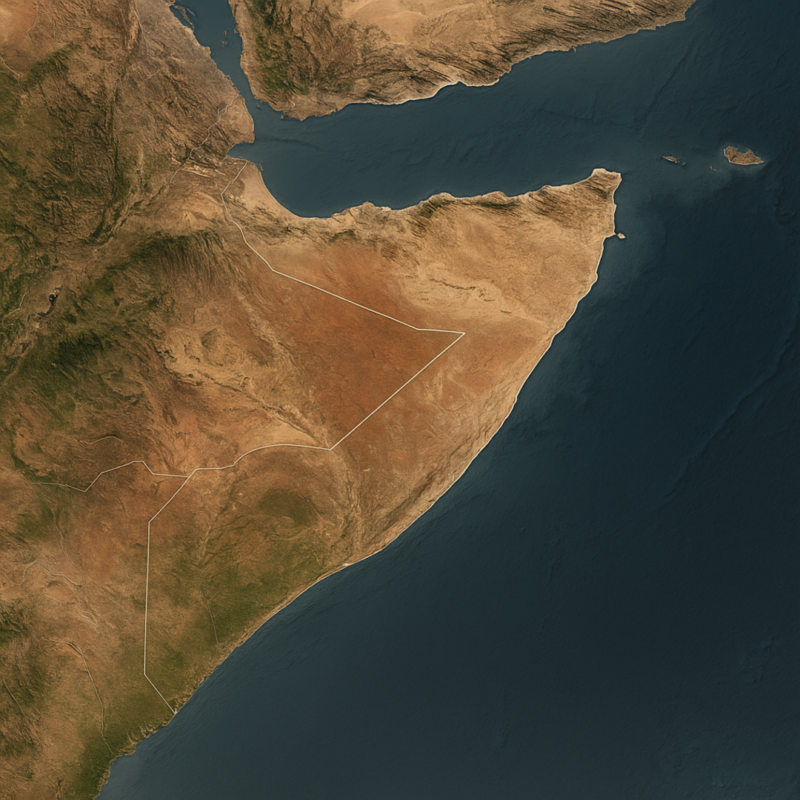
On December 26, 2025, Israel became the first UN member state to formally recognize Somaliland as an independent nation. This move has triggered a sharp divide between international allies and regional bodies, pitting Israel’s strategic expansion against the established diplomatic norms of the United States and major Arab and African organizations.
Israel Breaks Thirty-Year Diplomatic Freeze
In a historic phone call on Friday, Israeli Prime Minister Benjamin Netanyahu and Somaliland President Abdirahman Mohamed Abdullahi signed a joint declaration establishing full diplomatic relations. Netanyahu described the move as being in the “spirit of the Abraham Accords,” signaling intentions to cooperate on agriculture, technology, and security.
For Somaliland, which has operated as a de facto independent state since 1991, the move is a crowning achievement. President Abdullahi expressed interest in officially joining the Abraham Accords, viewing the partnership as a gateway to regional stability and economic prosperity.
Trump Rejects “Big Deal” Strategic Offers
Despite the enthusiasm from Tel Aviv and Hargeisa, U.S. President Donald Trump has dealt a blow to Somaliland’s hopes for a “domino effect” of Western recognition. In a Friday interview with the New York Post, Trump adopted a skeptical tone toward the breakaway region. When asked if he would follow Israel’s lead, Trump gave a flat rejection. Trump appeared unimpressed by Somaliland’s offers of a naval base and access to the Gulf of Aden, responding with a blunt, “Big deal.”
The President emphasized that his focus remains on the stability of the Gaza Strip and the October ceasefire he facilitated, rather than redrawing the map of East Africa.
Qatar and Regional Bodies Condemn “Dangerous Precedent”
The international backlash was swift, led by the African Union, Intergovernmental Authority on Development (IGAD) and the State of Qatar, Saudi Arabia, Jordan, Iraq, China , Kuwait, among other nations.. On Saturday, Qatar’s Foreign Ministry released a firm rejection, characterizing the recognition as a “dangerous precedent” that violates international law and undermines Somali unity.
Doha’s statement directly addressed Israeli leadership, suggesting it would be “more appropriate” for authorities to recognize the State of Palestine, a right supported by international consensus, rather than pursuing “divisive policies” in the Horn of Africa. Qatar warned that the creation of “parallel entities” threatens the delicate balance of the region and urged a focus on a sustainable resolution in Gaza.
Looking Ahead
While Israel has moved to institutionalize ties and appoint ambassadors, the fierce opposition from Washington, Doha, and African regional bodies suggests a period of heightened tension. The divergence between the two close allies, Trump and Netanyahu, is expected to be a major point of friction during their scheduled meeting this Monday.