
KAMPALA — Uganda has declared its intention to withdraw its military personnel from Somalia following nearly two decades of continuous peacekeeping efforts. The announcement marks a development with potentially significant consequences for regional security and counterinsurgency operations against Al-Shabaab.
Through a statement published on social media platform X, Uganda’s Chief of Defence Forces, General Muhoozi Kainerugaba, announced that the nation’s military operation is concluding.
“After 19 years in Somalia. We intend to completely withdraw from that country very soon,” Gen. Muhoozi stated, though he offered no further specifics or a confirmed schedule for the departure.
A Pillar of Security
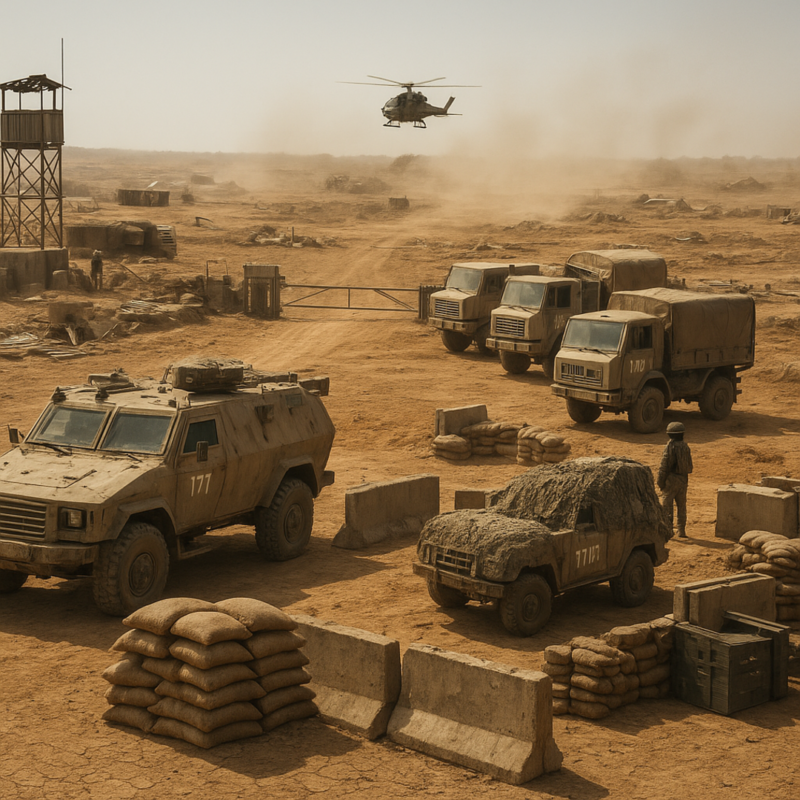
Uganda has served as a fundamental pillar of international peacekeeping initiatives in Somalia since 2007, when it became the first nation to deploy troops under the African Union mandate. Currently, Ugandan personnel constitute the largest component of the mission (now known as AUSSOM), with approximately 5,000 to 6,000 soldiers stationed in the country.
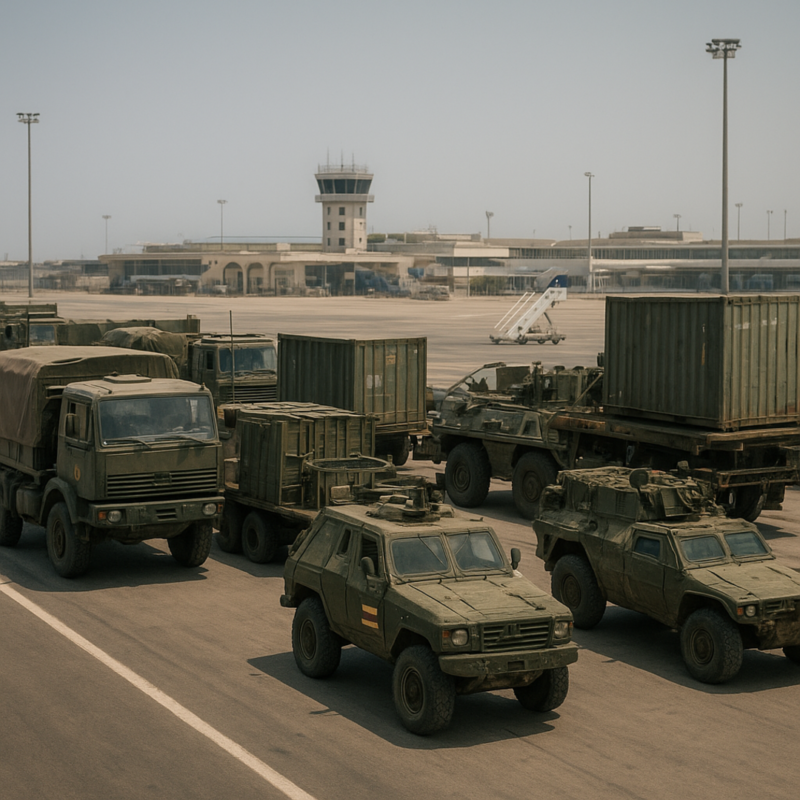
These forces have been instrumental in protecting critical government facilities, including Aden Adde International Airport, the Mogadishu Port, and various strategic locations within the capital.
Financial Strain and Political Context
The declaration arrives amid mounting financial challenges for the peacekeeping mission. Reports indicate the force is contending with budget deficiencies, restricted funding pledges, and arrears in payments to troop-contributing nations. The European Union has adjusted its assistance model, while the United States has paused certain funding streams due to burden-sharing concerns.
Historically, Ugandan President Yoweri Museveni has also expressed frustration with Somali politics, previously warning that persistent infighting among leaders in Mogadishu undermined efforts to defeat insurgents and restore lasting stability.
Security analysts caution that a rapid Ugandan withdrawal, without a robust transition plan, may create vulnerabilities in security coverage, potentially enabling militant groups to escalate operations both within Somalia and throughout neighboring areas.