
WASHINGTON — The United States has announced the immediate suspension of all ongoing assistance programs that directly benefit the Federal Government of Somalia (FGS). The decision follows grave allegations of corruption, aid diversion, and the destruction of international relief infrastructure by Somali authorities.
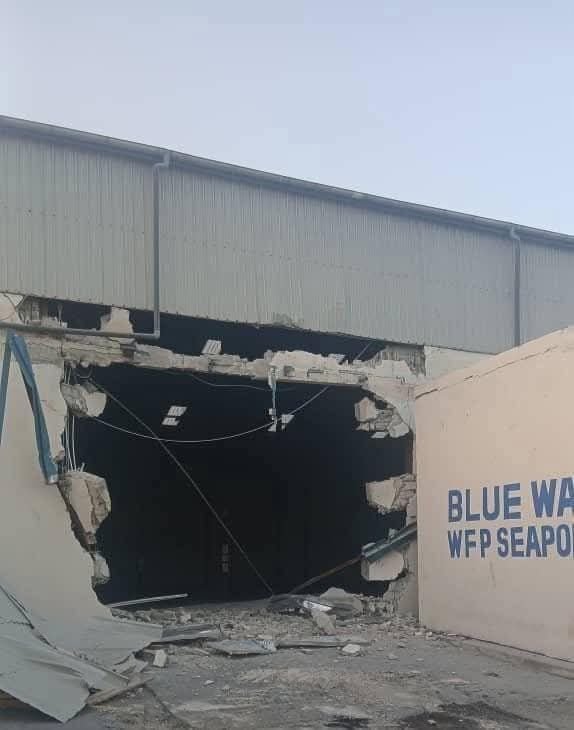
According to statements from the U.S. State Department and the Office of Foreign Assistance, the suspension was triggered by specific reports that Somali government officials destroyed a U.S.-funded World Food Programme (WFP) warehouse at the port of Mogadishu. Furthermore, the US authorities mentioned the unlawfully seizing 76 metric tons of donor-funded food aid intended for the country’s most vulnerable populations. Based on report FTL received from sources on the ground, no aid was taken, and that this is linked to a long ongoing conflict between the port authorties and WFP as the FGS is keen using the plot for other porposes.
The U.S. government emphasized a “zero-tolerance policy” for the waste, theft, or diversion of life-saving assistance. Washington has made it clear that aid will remain paused until the administration of President Hassan Sheikh Mohamud demonstrates full accountability and implements appropriate remedial steps to secure international resources.
Straining Bilateral Relations
This move marks a significant downturn in bilateral relations and is linked with the former Minister of Defence of Somalia, a Somalia official that in different capacities withing the FGS, has blocked the US influence on the country, in favor of Türkiye.
This suspension arrives at a precarious moment for Somalia, as millions of people are currently in need of urgent food, health services, and clean water due to the compounding effects of drought and ongoing conflict. UN OCHA has warned that existing funding gaps are already forcing aid agencies to scale back operations, a trend that could lead to significantly higher malnutrition rates among children and displaced communities. Furthermore, while the U.S. move specifically targets assistance benefiting the federal government, humanitarian actors caution that disrupting government-linked systems risks weakening the broader coordination and logistics required to deliver any form of relief across the country. At the same time, some analysts are questioning the impact of this latest escalation, giving the fact that USAID already suspended a lot of its work in Somalia in late 2025.