
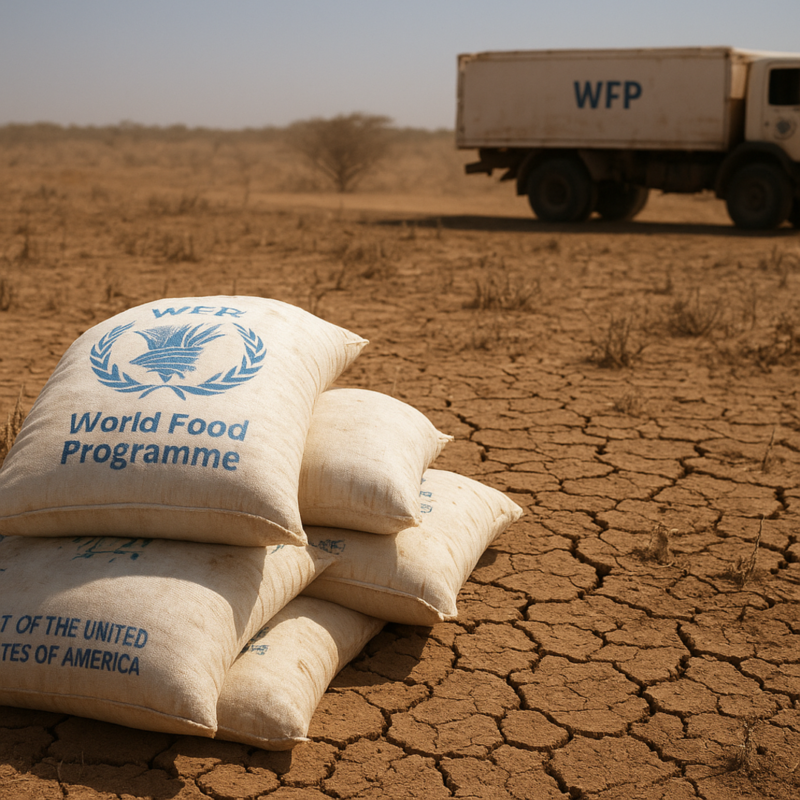
MOGADISHU — The World Food Programme (WFP) is urgently appealing for $95 million to sustain critical food and nutrition operations in Somalia through August 2026. Without an immediate injection of funds, the UN agency warns that its lifesaving programs could be forced to shut down entirely by April.
According to an announcement from Mogadishu, the WFP’s financial reserves are projected to be exhausted within weeks, posing a severe threat to millions of at-risk individuals. This funding crisis coincides with Somalia’s escalating Stage 4 drought emergency, which is currently characterized by acute water scarcity, widespread agricultural failures, devastating livestock deaths, and significant population displacement.
Millions Face Extreme Hunger
Currently, approximately 4.4 million people—representing roughly a quarter of the nation’s population—are experiencing critical levels of food insecurity. This dire situation is the direct result of two consecutive failed rainy seasons, persistent regional conflict, and a drastic reduction in overall humanitarian funding. Within this demographic, nearly one million individuals, including highly vulnerable women and children, are facing extreme food shortages.
“The crisis is deteriorating at a concerning pace,” stated Ross Smith, the WFP’s Emergency Preparedness and Response Director. He cautioned that without swift, decisive action from the international community, the organization may soon be completely unable to assist those in the most desperate need.
Drastic Reductions in Aid
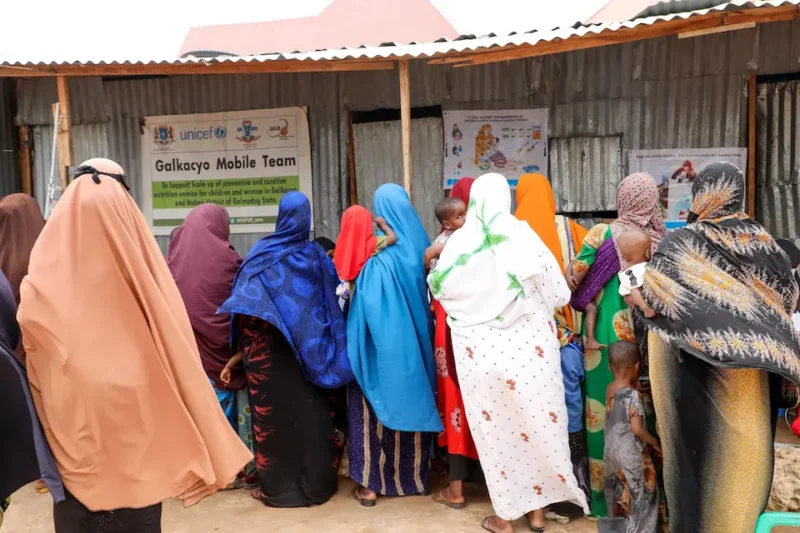
Severe financial constraints have already forced the WFP to implement substantial reductions across its operations. The number of emergency food aid recipients has plummeted from 2.2 million in early 2025 to just over 600,000 currently.
Crucial nutrition initiatives have also been severely diminished. Targeted support for expectant mothers, nursing women, and young children has declined precipitously, dropping from approximately 400,000 beneficiaries in October down to roughly 90,000 by December.
Echoes of 2022
This stark warning strongly mirrors the devastating 2022 drought emergency, during which extensive international support was required to avert a full-scale famine. The WFP has confirmed that it currently possesses the necessary personnel and logistical infrastructure on the ground to scale operations back up immediately. However, without urgent donor pledges, Somalia risks a rapid deterioration into catastrophic hunger, carrying potentially grave humanitarian and security repercussions for the entire Horn of Africa.