
Washington DC, United States – The United States has announced a significant transformation in its approach to Somalia and the broader Horn of Africa region.
According to its latest National Security Strategy for 2025, Washington is departing from prolonged military involvement and aid dependency in favor of a collaborative framework emphasizing economic investment, regional stability, and respect for sovereignty.
For Somalia, this policy document signifies more than a mere adjustment; it potentially redefines the nation’s standing in international affairs.
The most noteworthy change involves the commitment to move from a “foreign aid model” to an “investment and growth model.”
“The United States will transition… to a model that can leverage Africa’s rich natural resources and unrealized economic capacity,” – U.S. National Security Strategy (2025)
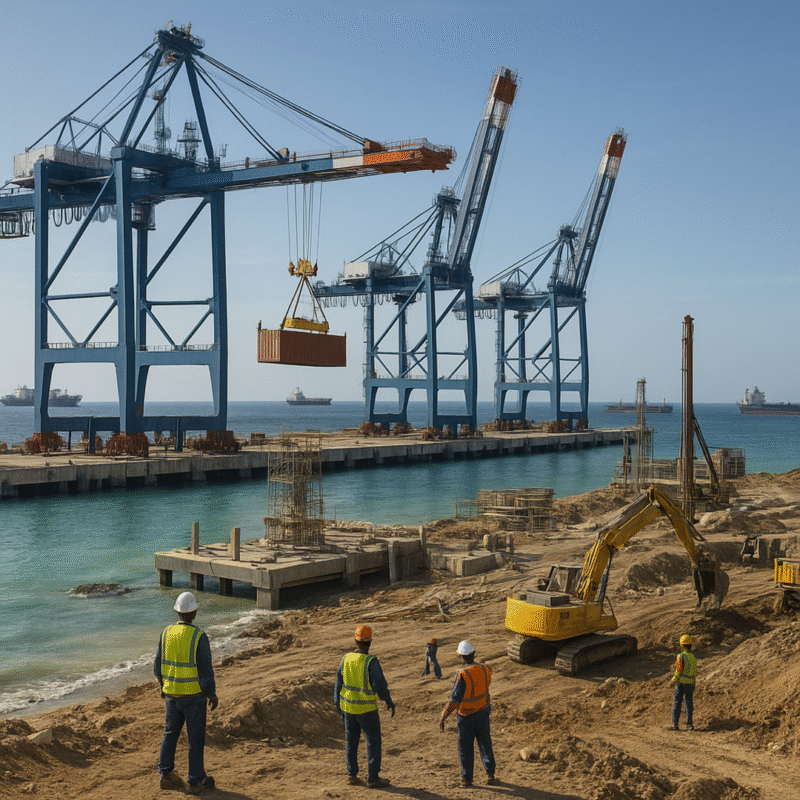
For Somalia’s economy, this indicates a pivot from emergency assistance toward authentic economic partnership. The emphasis is now on maritime trade routes, energy exploration, and infrastructure projects.
The implication is unmistakable: Washington envisions Somalia’s future not in relief assistance, but in commerce, trade, and the strategic minerals essential to the global economy.
The strategy recognizes the Horn of Africa as a critical area necessitating careful diplomatic handling.
American officials have voiced substantial apprehension about escalating tensions among Ethiopia, Eritrea, and Somalia, cautioning that these disputes could threaten regional stability.
Through prioritizing “conflict prevention,” the United States appears prepared to function as a diplomatic mediator.
As Somalia firmly upholds its national autonomy and Ethiopia pursues new global partnerships, Washington intends to employ diplomatic measures rather than military force to maintain peace.
Although Al-Shabaab continues to present a security challenge, the United States is modifying its counterterrorism methods. The era of extensive military deployments and state-building has concluded.
The updated strategy rejects enduring American military bases. Instead, it advocates for a “minimal presence” strategy: precise operations, advanced intelligence collaboration, and enabling the Somali National Army (SNA) to assume primary responsibility for security operations. The objective is to diminish extremist influence while preserving Somali sovereignty.
Somalia’s strategic position its extensive coastline along the Red Sea and Indian Ocean constitutes its most valuable geographic advantage. With strategic rivalry with China growing, the United States is working to secure maritime routes and harbor facilities in this area.
The American objective is to maintain open and secure waterways for international commerce, offsetting Beijing’s increasing economic presence in East Africa through alternative American initiatives.
Contrary to previous administrations that frequently attempted to influence political outcomes, the 2025 strategy underscores non-interference in domestic affairs.
The United States will reduce its involvement in managing Somalia’s federal conflicts or electoral procedures, choosing instead a practical relationship that honors local political frameworks.
This approach elevates Somalia from a “conflict area” to a significant strategic ally. By concentrating on maritime economic development, security collaboration, and investment, the United States is demonstrating confidence in Somalia’s potential.
The responsibility now rests with Mogadishu: to capitalize on these prospects and navigate this evolving environment to ensure a thriving future for the Somali people.