

Addis Ababa, Ethiopia – The Commander of U.S. Africa Command (AFRICOM), General Dagvin Anderson, has completed an unprecedented high-level visit to Ethiopia, Somaliland, and Puntland, which he called administrations in Somalia. The trip sought to bolster security collaboration and combat terrorism.
Gen. Anderson, delivering a firm warning to terrorist groups, affirmed that the United States will keep supporting efforts against ISIS, Al-Shabaab, and other extremists. This aligns with directives from President Donald Trump and U.S. Secretary of Defense Pete Hegseth.
“We are here because we share a common enemy. I know this region well, and we are here to strengthen our African partners in jointly addressing these threats,” Gen. Anderson said.
On his trip, Gen. Anderson met with top leaders in each place, stressing improved cooperation, mutual security duties, and coordination of regional security goals.
In Ethiopia, he conferred with Prime Minister Abiy Ahmed and Chief of the Ethiopian National Defense Force, Field Marshal Birhanu Jula Gelelcha, on the regional security landscape and joint efforts.
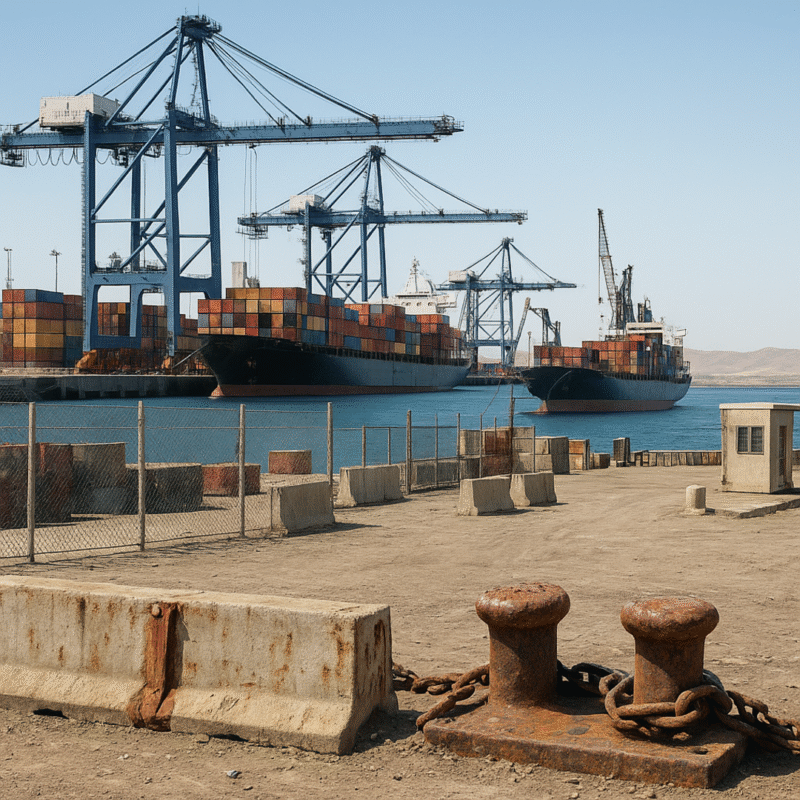
In Hargeisa, Somaliland, he engaged with Somaliland President Abdirahman Mohamed Abdullahi Irro, as noted by AFRICOM, along with military leaders. He also inspected Berbera to evaluate security conditions and its strategic role.
In Garowe, he discussed matters with Puntland Vice President Ilyas Osman Lugatoor and security personnel, commending Puntland’s actions against terrorists in the Golis Mountains.
“As security threats grow, including rising terrorism in East Africa, the Sahel, and West African coasts, teamwork is essential. Together, we can create a secure and thriving future for us, Africa, and future generations,” Gen. Anderson added.
The U.S. views Africa as crucial for global security and homeland protection, with regional security partnerships central to Washington’s foreign policy.
Gen. Anderson’s visit holds deep symbolism. By going to Somaliland and Puntland and labeling them “administrations within Somalia,” AFRICOM offers them military diplomatic engagement unavailable via formal U.S. State Department routes.
This “security-first” method lets the U.S. partner directly with capable local entities while formally acknowledging Mogadishu’s sovereignty, a subtle tactic that might strain federal unity.
The visit underscores a ramp-up in the U.S. “by, with, and through” approach in the Horn. Discussions centered on empowering partners, moving from direct operations to bolstering local capabilities. Praise for Puntland’s anti-ISIS work builds on recent joint missions, recognizing a reliable ally.
Separate Somaliland talks underscore its stability and strategic assets like the Berbera port for intelligence, logistics, or future operations.
Tying the visit to President Trump and Secretary Hegseth’s instructions links military tactics to U.S. political messaging. It draws a direct path from Washington leaders to field commanders, prioritizing counterterrorism above other goals like governance or state-building.
Direct contact with federal member states skips the Federal Government of Somalia in Mogadishu for operations. Though operationally smart, it may erode FGS authority and heighten center-periphery conflicts. It tells regional heads that U.S. security deals can be made independently, reducing Mogadishu’s influence in political and constitutional issues.
Starting in Ethiopia reinforces its position as the U.S.’s key security ally in the region. Talks there probably covered wider stability and joint action against groups like Al-Shabaab, establishing Addis Ababa as a U.S. strategy hub.
Gen. Anderson’s itinerary outlines U.S. security priorities in the Horn of Africa. It shows partnerships driven by capability and geography over protocol. While offering quick counterterrorism wins, it may shift Somalia’s power balance, challenging Mogadishu long-term.