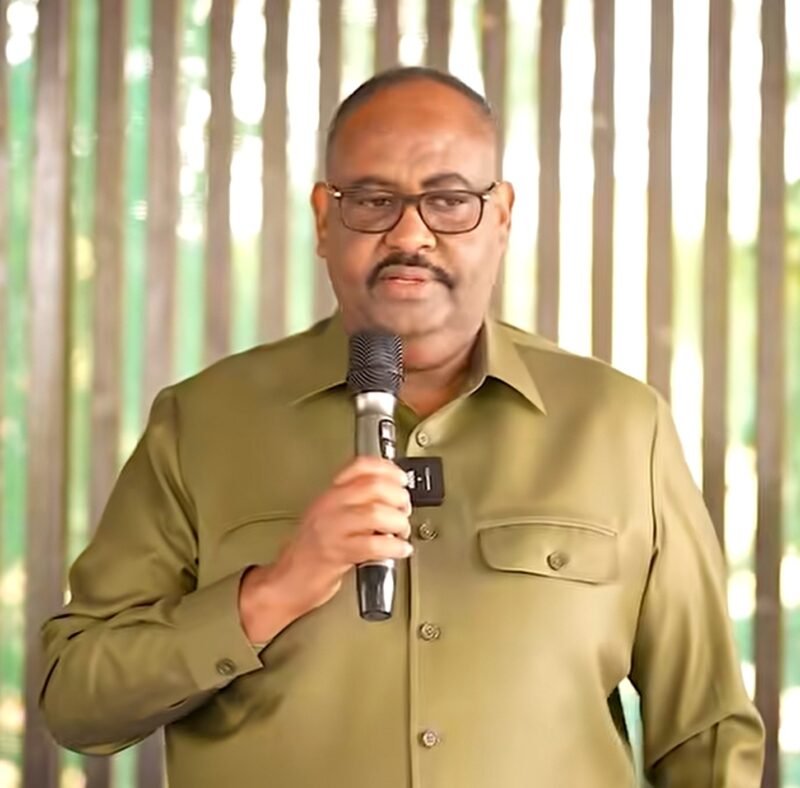


MOGADISHU — A prominent Somali opposition lawmaker has issued a stark warning that recent security deployments across the capital could indicate preparations for a political showdown, heightening tensions in an already fragile constitutional dispute.
Abdirahman Abdishakur, a federal parliament member and one of the government’s most vocal critics, stated that newly organized security units, believed to be aligned with the presidency, have been positioned at strategic locations in Mogadishu. He noted that these deployments are concentrated specifically in districts known for high opposition political activity.
Shifting Forces and Rising Suspicions
Simultaneously, Abdishakur noted that forces previously responsible for maintaining stability in the capital appear to be relocating their operations away from the city. He argued that this sudden development has significantly increased suspicion among political opponents of the government.
“They suggest to many in the opposition that preparations may be underway for the possibility of confrontation rather than accommodation,” the lawmaker wrote in an opinion essay published Sunday on his Substack page.
While Abdishakur did not directly accuse the administration of planning violence, his argument was clearly cautionary. He acknowledged that governments often adjust security arrangements during periods of political uncertainty, but emphasized that in the current climate, such moves are being interpreted by opponents as potential signs of coercion—a fear exacerbated by recent events such as the detention of a Puntland presidential adviser in Mogadishu.
The Deepening Constitutional Impasse
The security warning coincides with Somalia’s deepening political impasse over disputed constitutional amendments. The opposition coalition known as the Somali Future Council, which includes the regional administrations of Puntland and Jubaland, has fiercely rejected the government’s unilateral changes to the constitution.
Negotiations regarding the structure of the country’s next electoral cycle have completely stalled, leaving the timeline for the next vote uncertain. The dispute has also raised fundamental legal questions about the duration of the current government’s mandate. The administration maintains that recent constitutional revisions legally extend the terms of both the presidency and parliament to May 2027. Opposition leaders, however, argue that the original constitutional deadline of May 2026 remains binding, effectively challenging the legitimacy of the current leadership.
Strains Within the Armed Forces
Furthermore, Abdishakur highlighted growing strains within the Somali National Army (SNA), suggesting that declining morale could become a rapidly destabilizing factor if the political crisis worsens.
He cited persistent complaints among soldiers regarding delayed or insufficient pay, alleged favoritism in promotion decisions, and the displacement of military families. He argued that these conditions could erode critical cohesion within the armed forces during a period of heightened political tension.
Collectively, the lawmaker warned, the potent combination of unresolved constitutional disputes, competing claims to political authority, and underlying unease within the security forces threatens to deeply destabilize the country’s already volatile political landscape.