
Mogadishu residents are casting ballots today in what is considered a pivotal moment for Somalia’s democratic progress, as the capital hosts its first elected local council elections in more than 54 years.
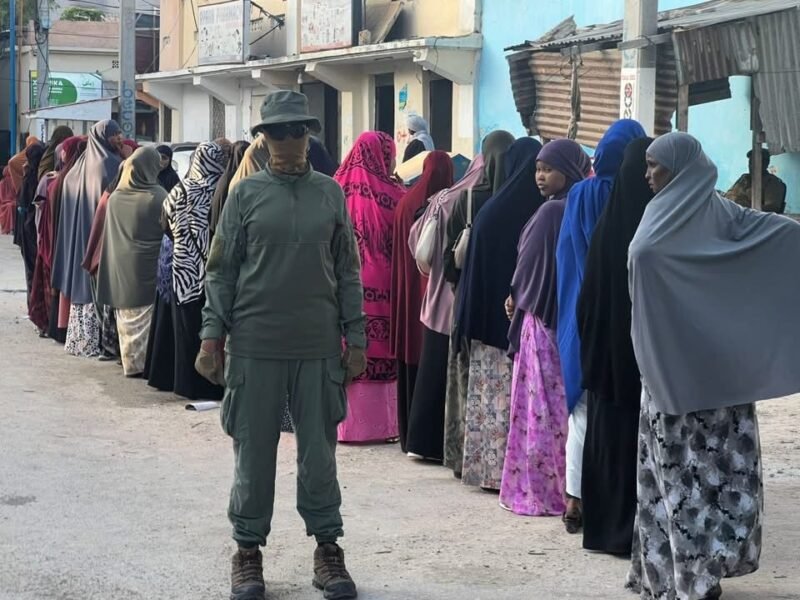
The polling process is being conducted in over 500 voting centers distributed across 16 districts of the Benadir region. Since early morning, citizens have been forming queues at polling stations, demonstrating substantial public engagement despite the politically charged atmosphere preceding the election.
Security measures, which had been a primary concern before voting began, have been significantly intensified. Nearly 10,000 security members from various national force branches have been deployed to protect polling stations, major roads, and vital installations. Authorities report that voting has progressed peacefully thus far without significant interruptions.
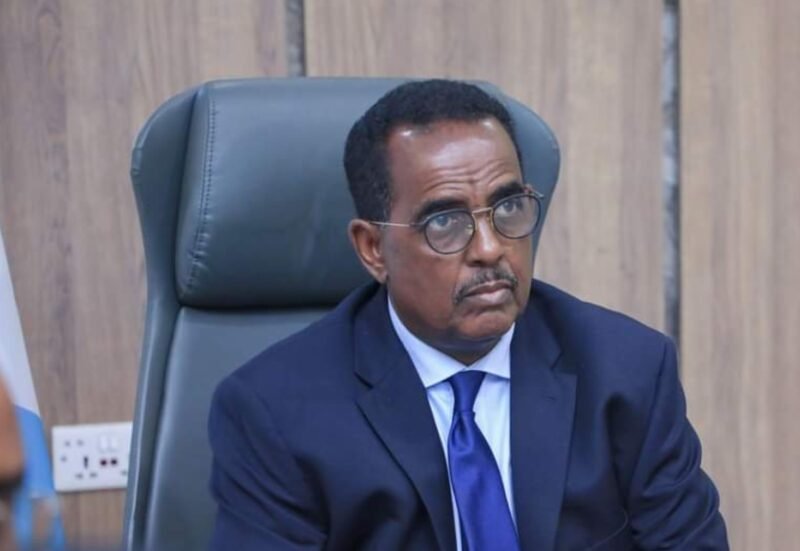
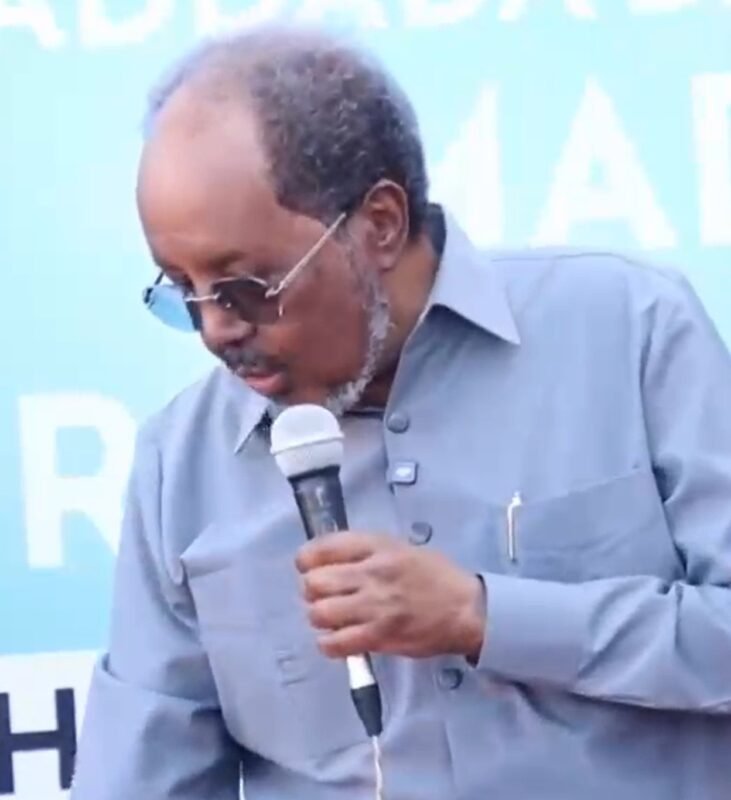
Numerous high-ranking government officials have already exercised their right to vote, using the opportunity to urge citizens to participate and emphasizing the vote’s significance as an uncommon chance to influence local governance through democratic means. These elections follow many years where local authorities were either appointed or functioned under indirect systems following the central government’s collapse in 1991.
Beyond Benadir, these elections are widely regarded as a precursor for Somalia’s wider electoral process. Local government elections in Mogadishu are anticipated to set the precedent for similar processes throughout other parts of the nation, building momentum toward the planned presidential and parliamentary elections scheduled for the middle of next year.
Proponents contend that elected local councils could enhance accountability and service delivery at the community level, whereas others continue to raise questions about the process and its inclusivity. As the voting day continues, focus will remain on voter turnout, security situations, and the political ramifications of a process many view as a crucial advancement in Somalia’s extended journey toward democratic governance.